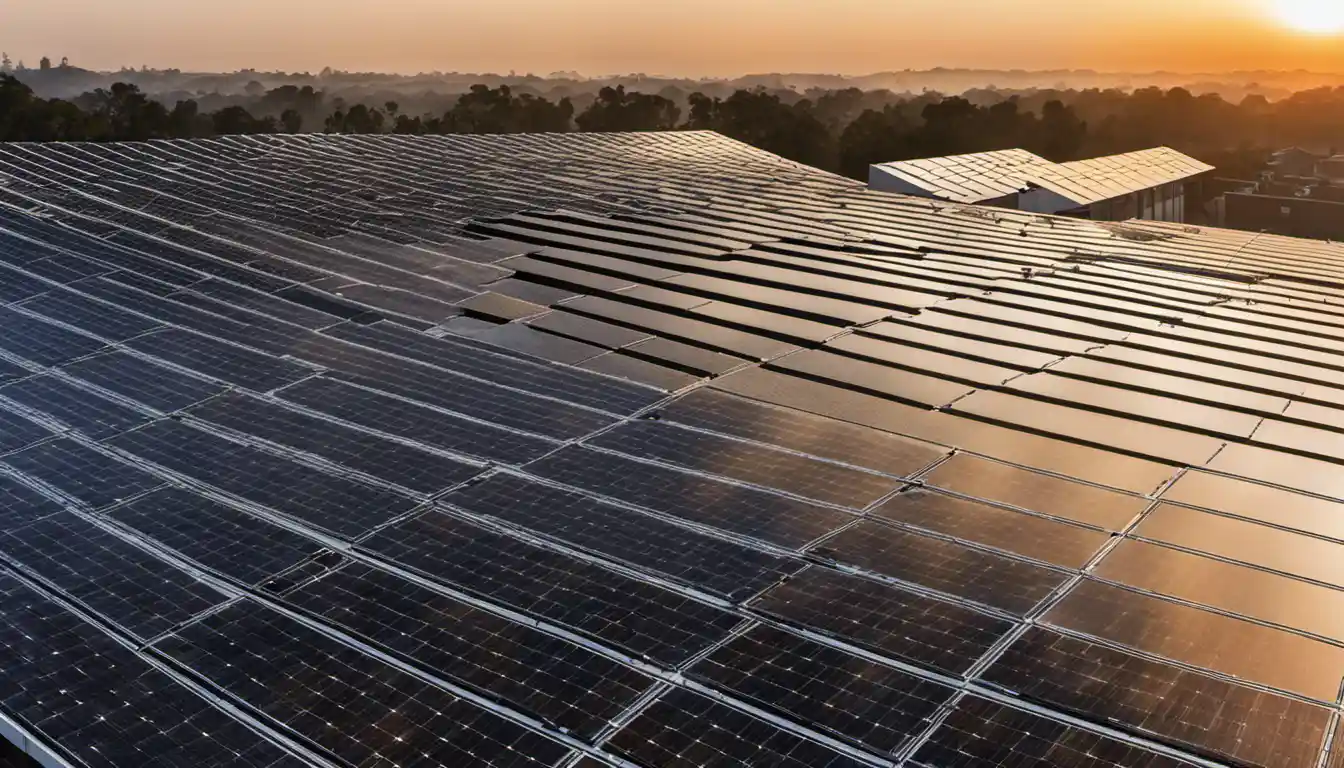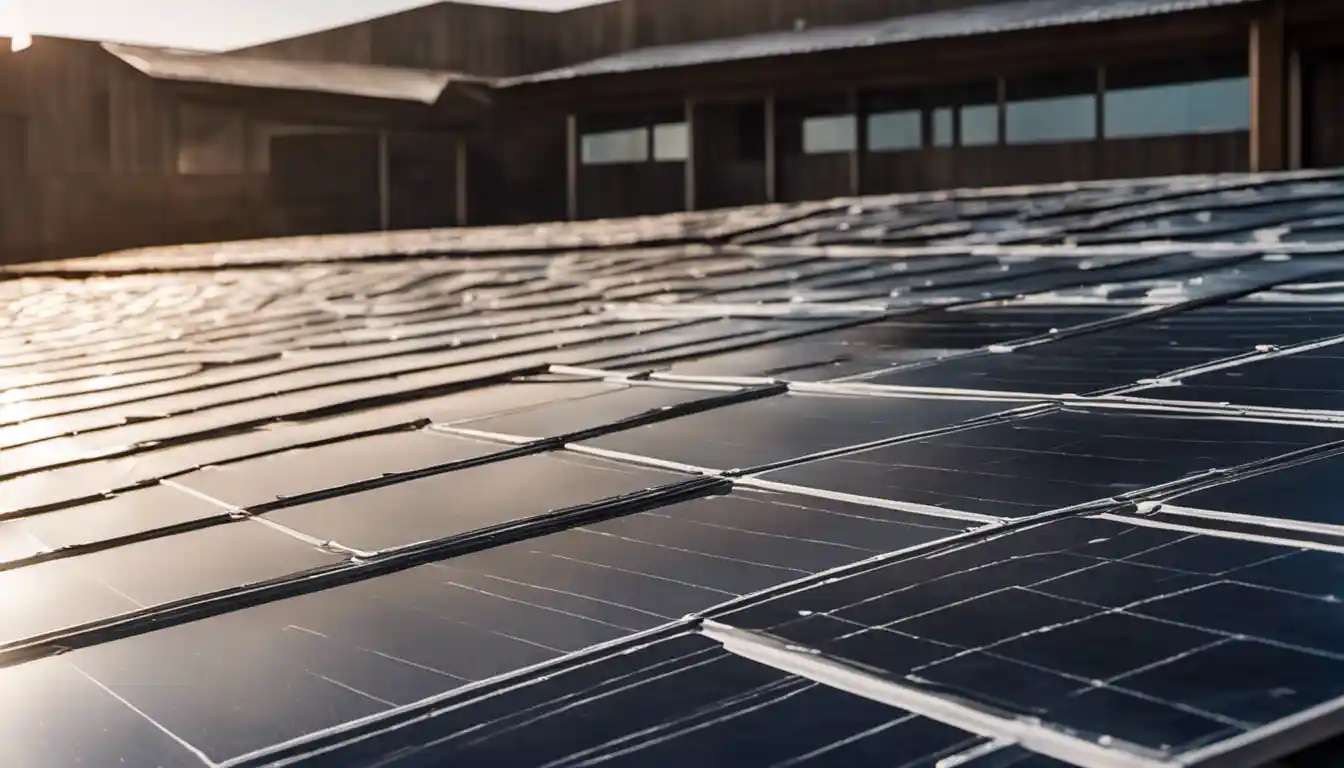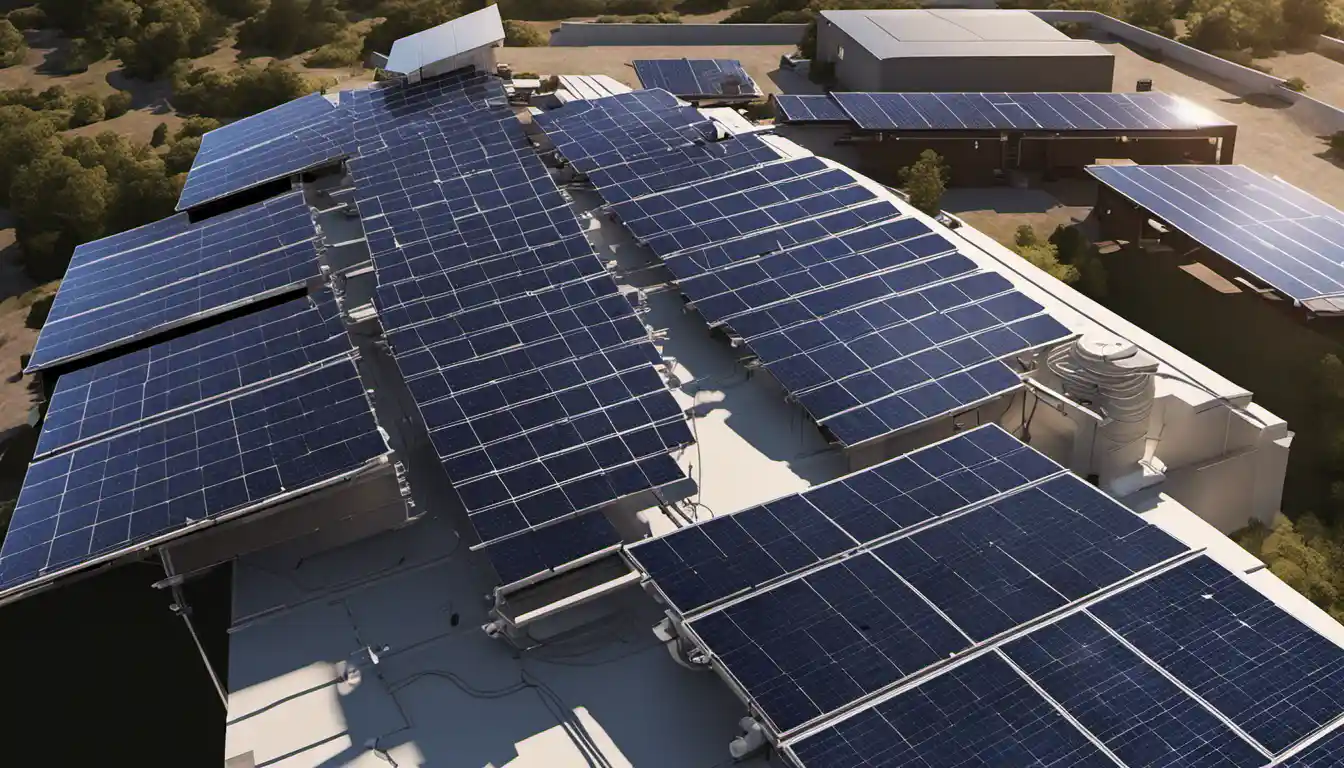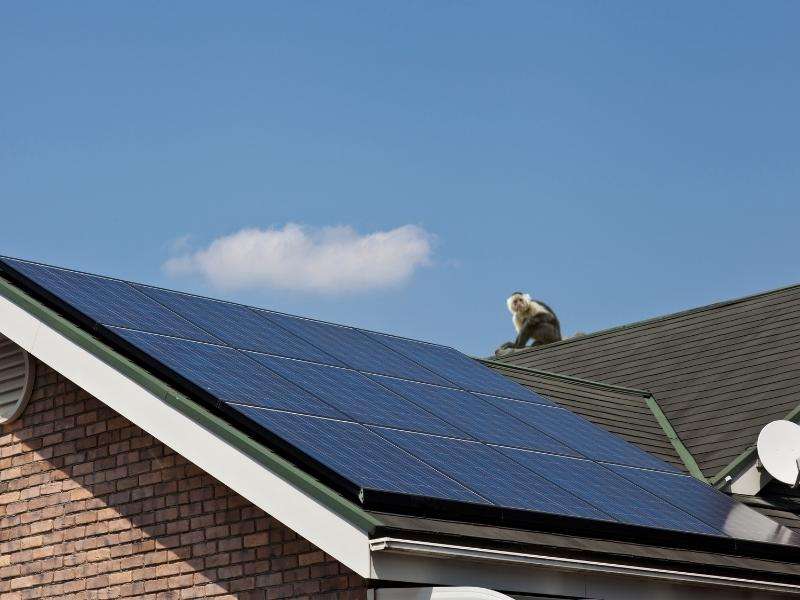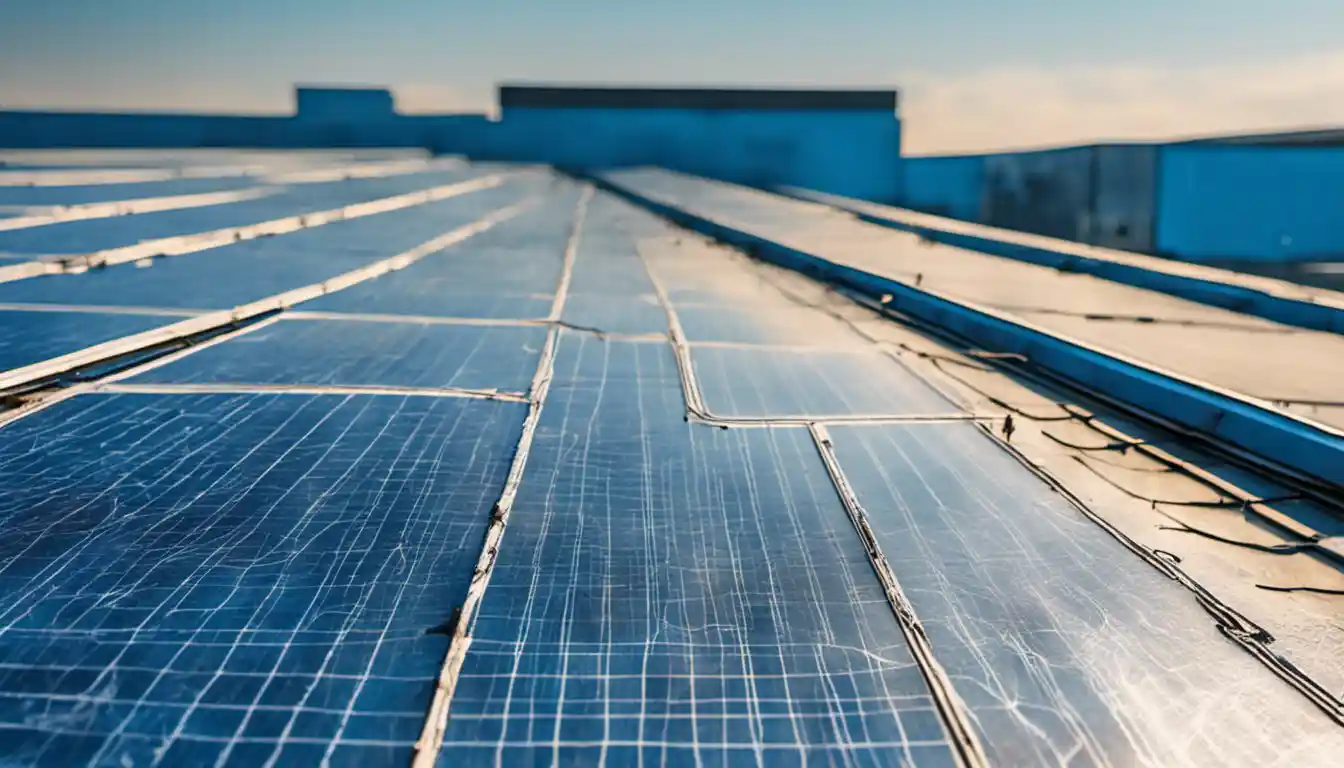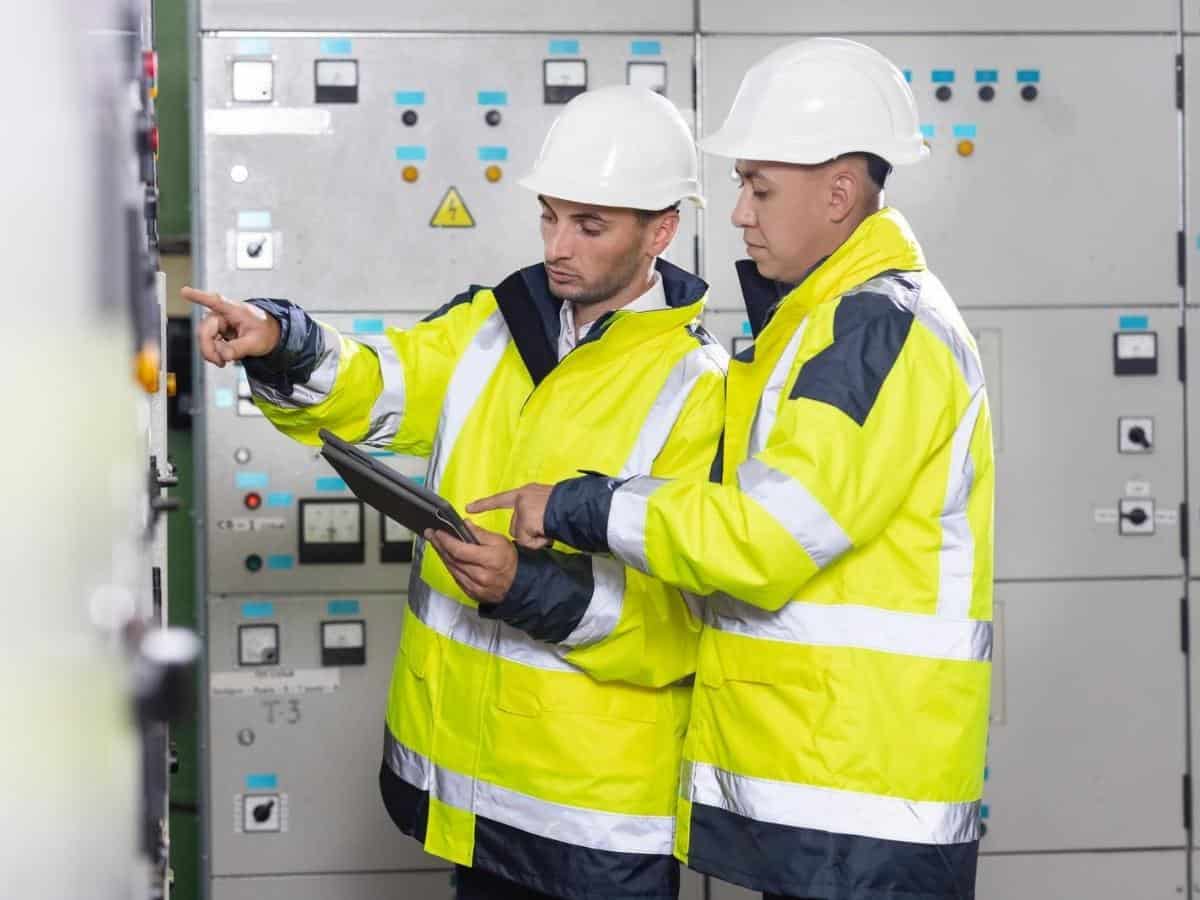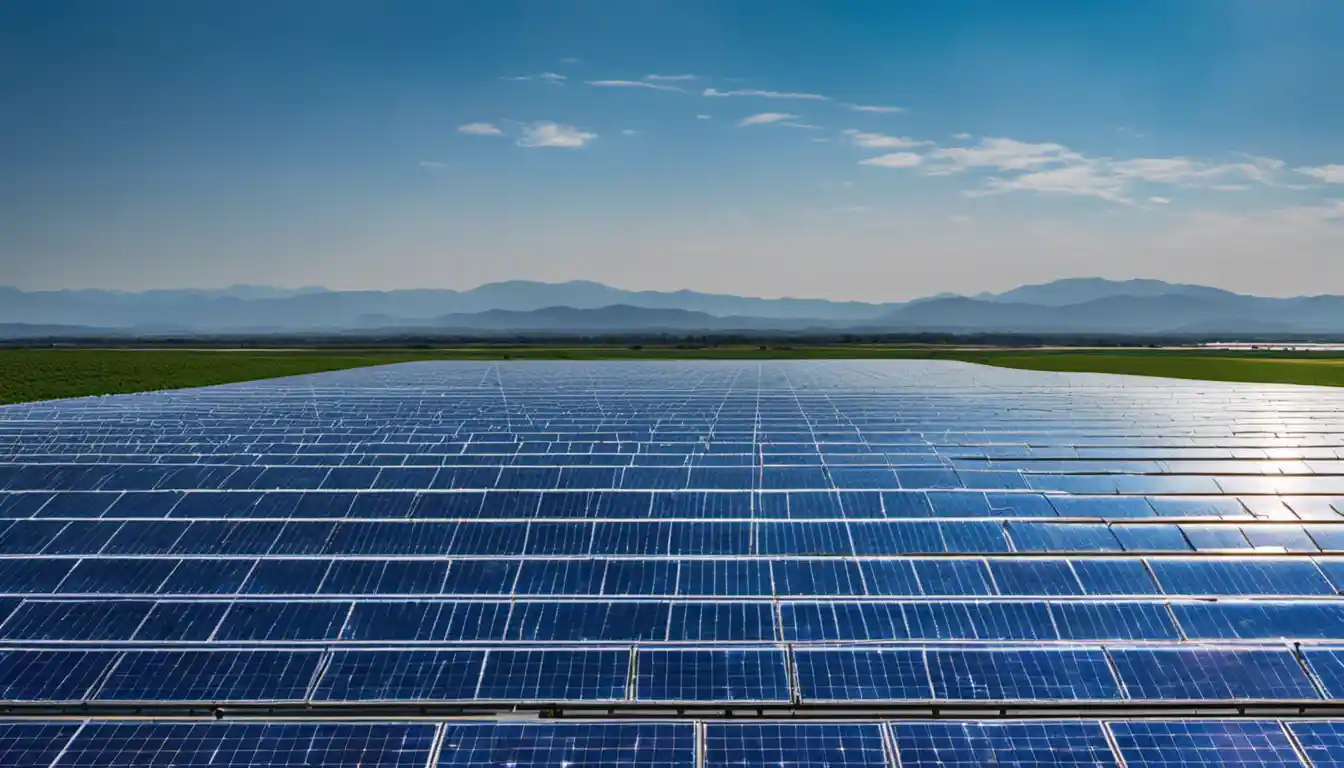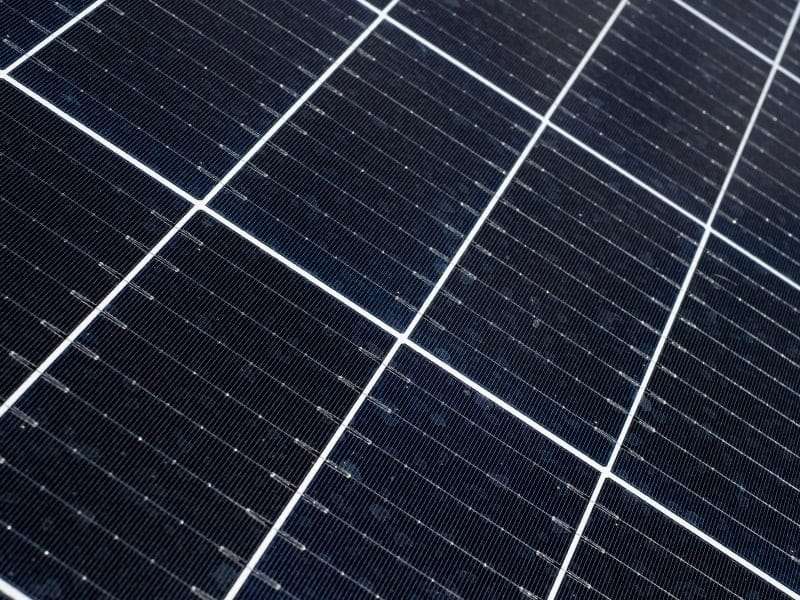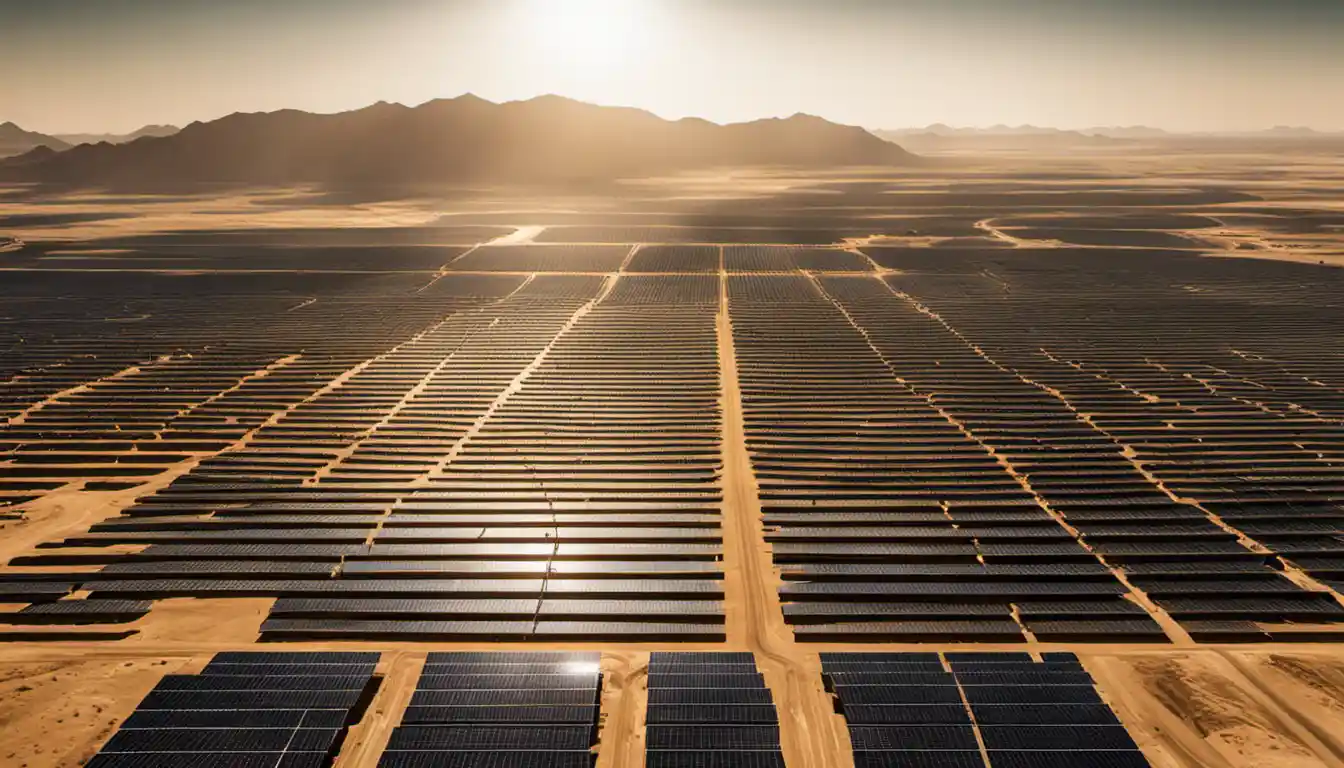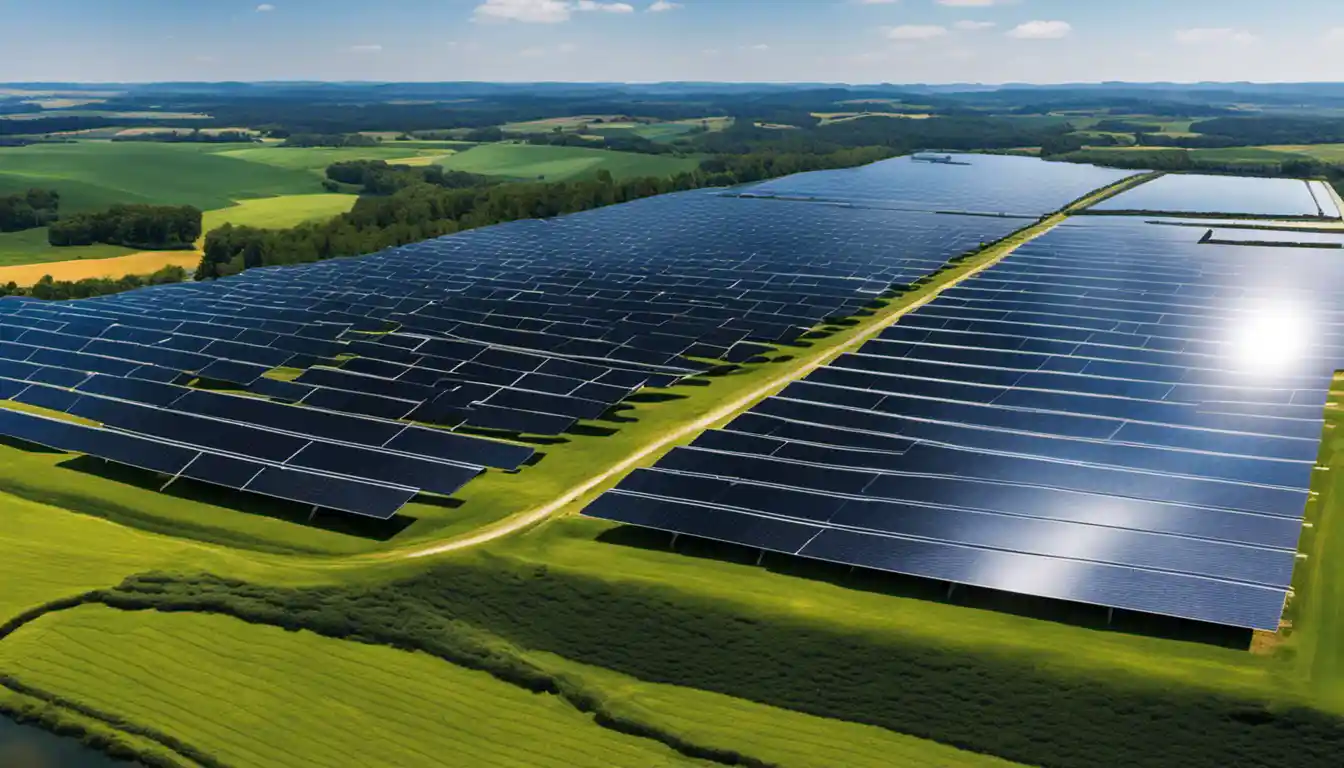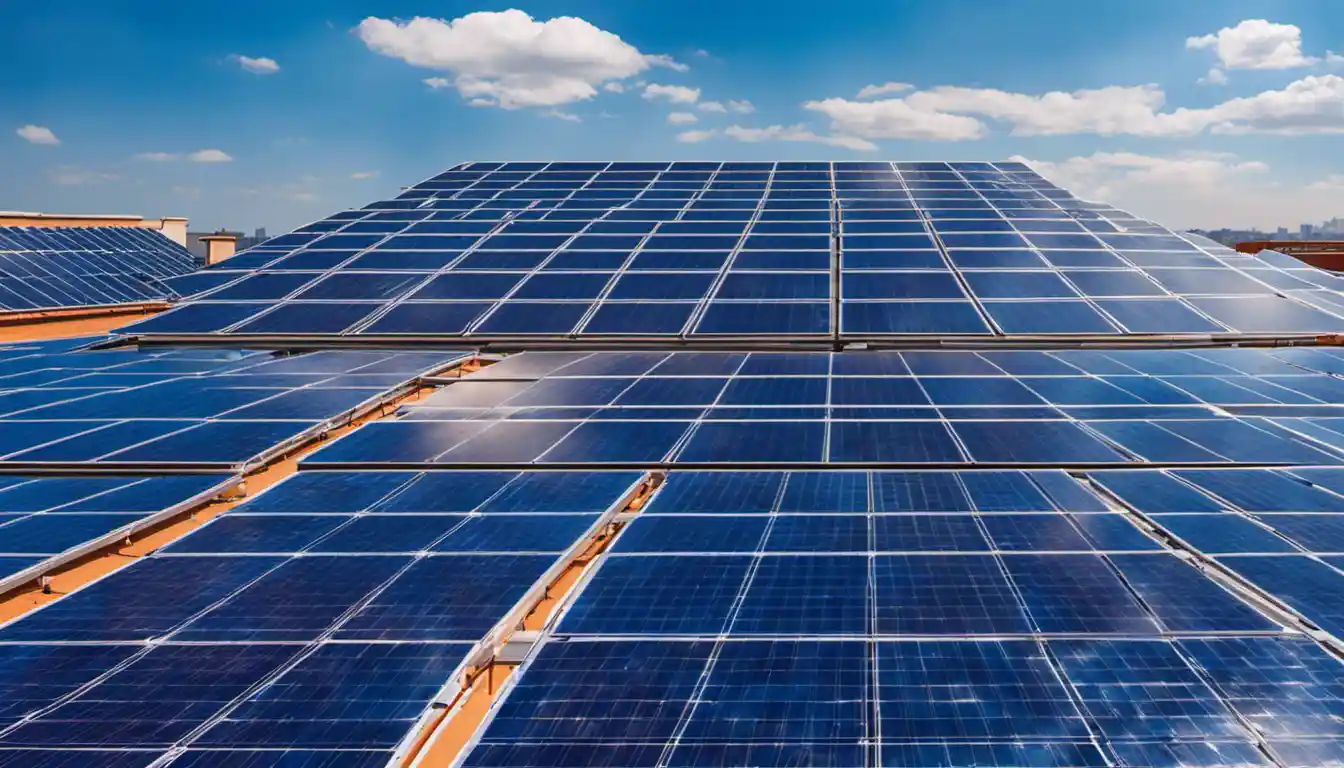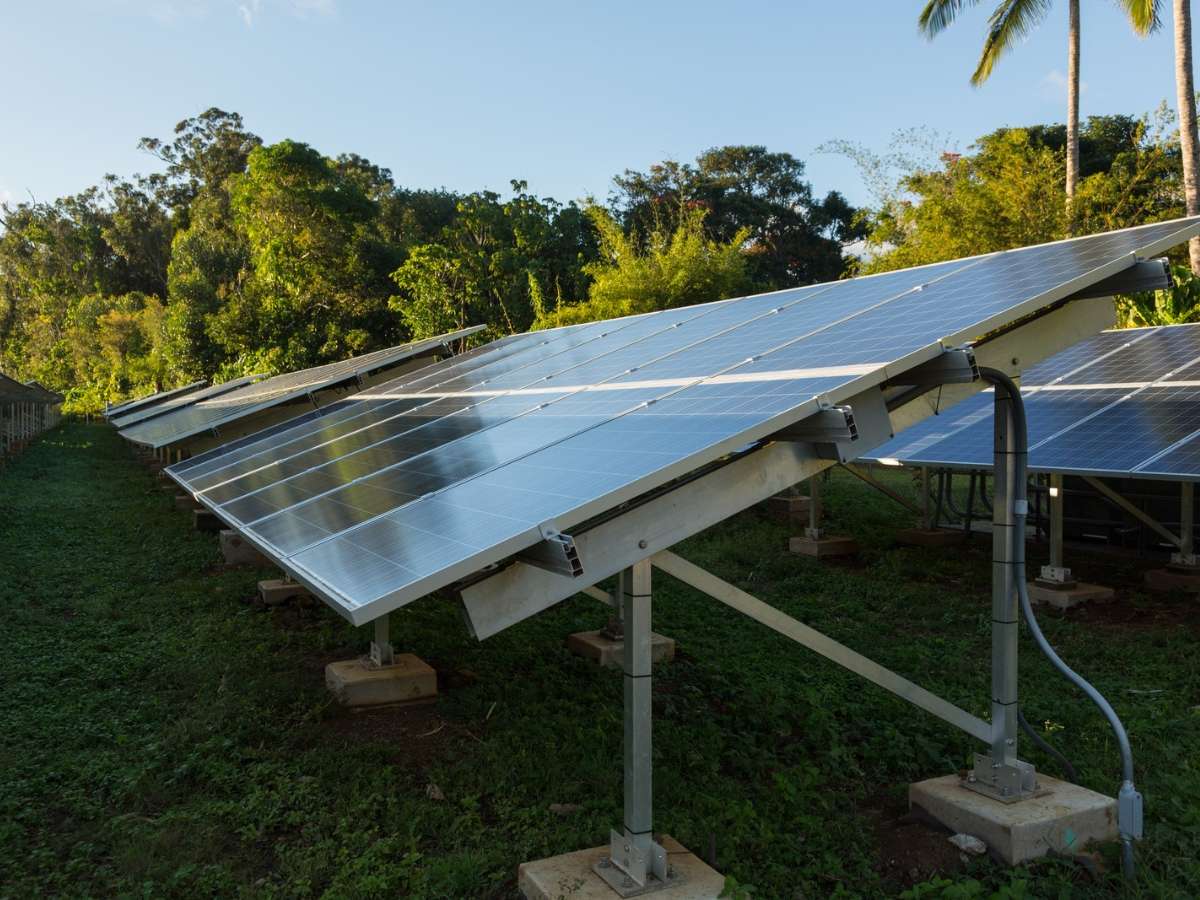
Regular maintenance helps solar systems operate safely, identify developing problems, and preserve performance over time. The right maintenance routine depends on the equipment, installation environment, weather, system age, and manufacturer requirements.
The Solvoltaics Maintenance section brings together practical guidance for inspecting, cleaning, testing, troubleshooting, and caring for solar panels, batteries, inverters, charge controllers, mounting systems, and related equipment.
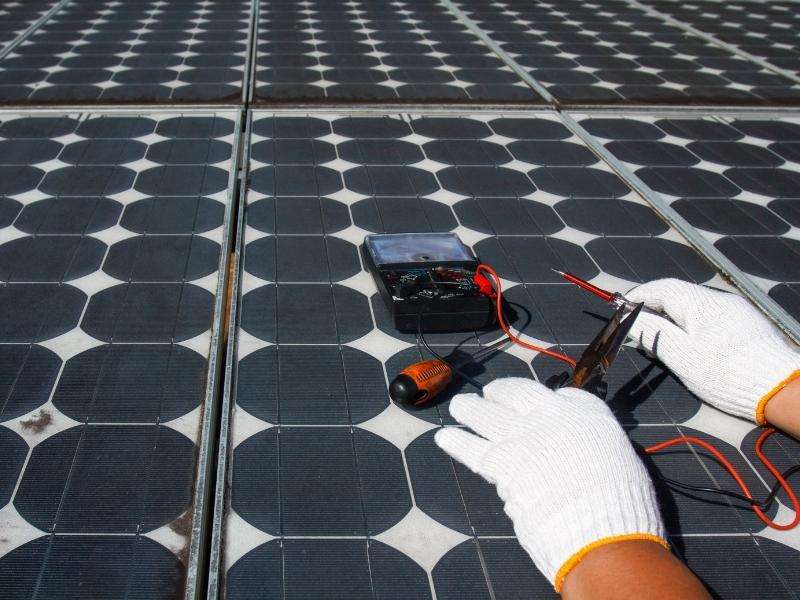
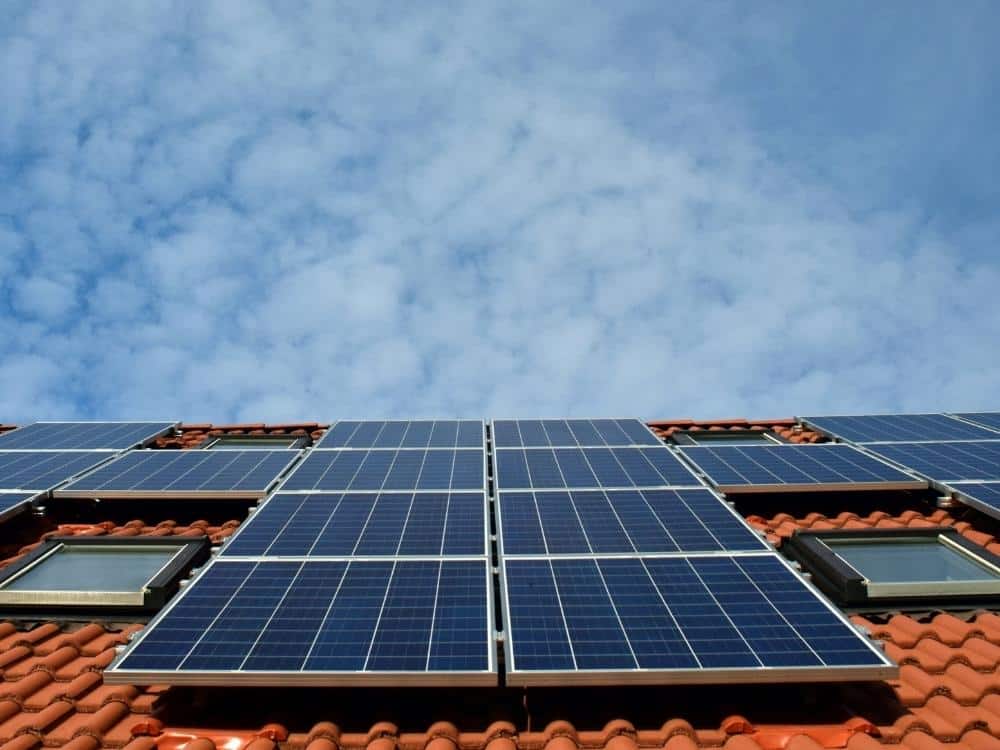
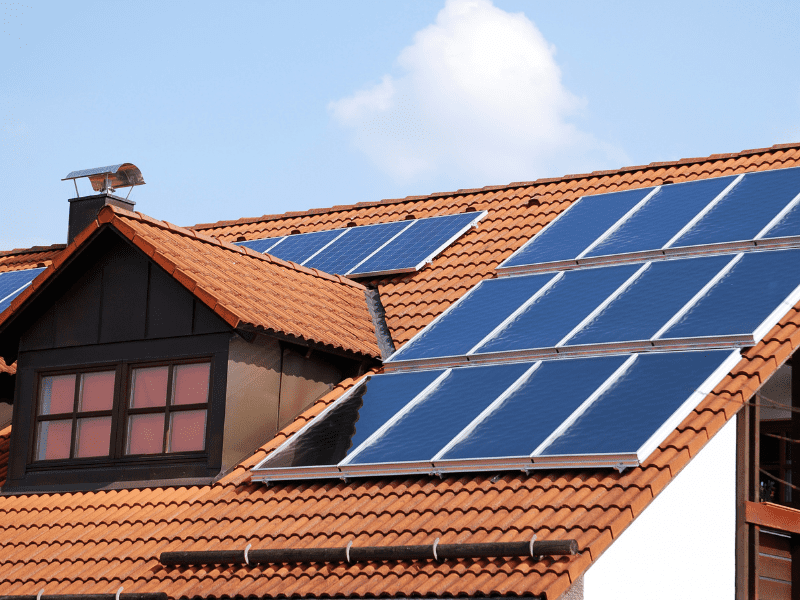
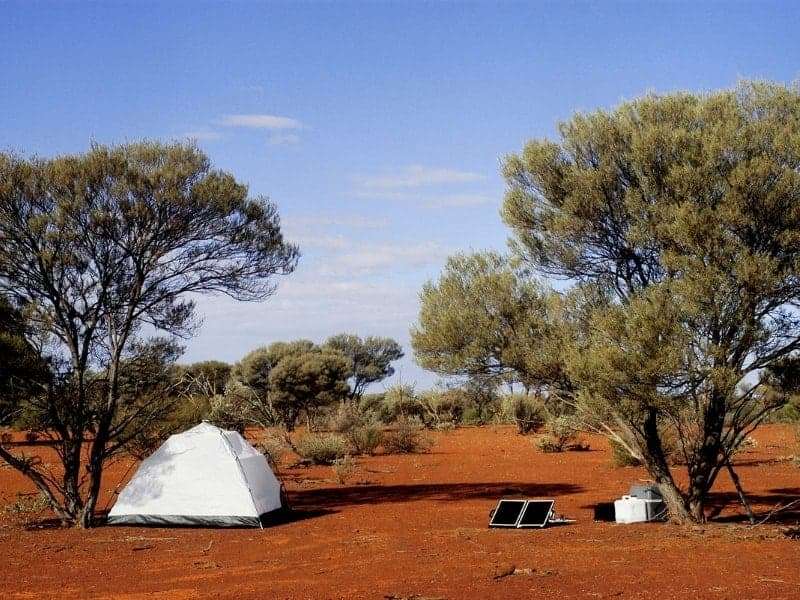
Learn how to inspect and care for solar panels in residential, commercial, RV, caravan, boat, camping, and portable systems.
Topics may include:
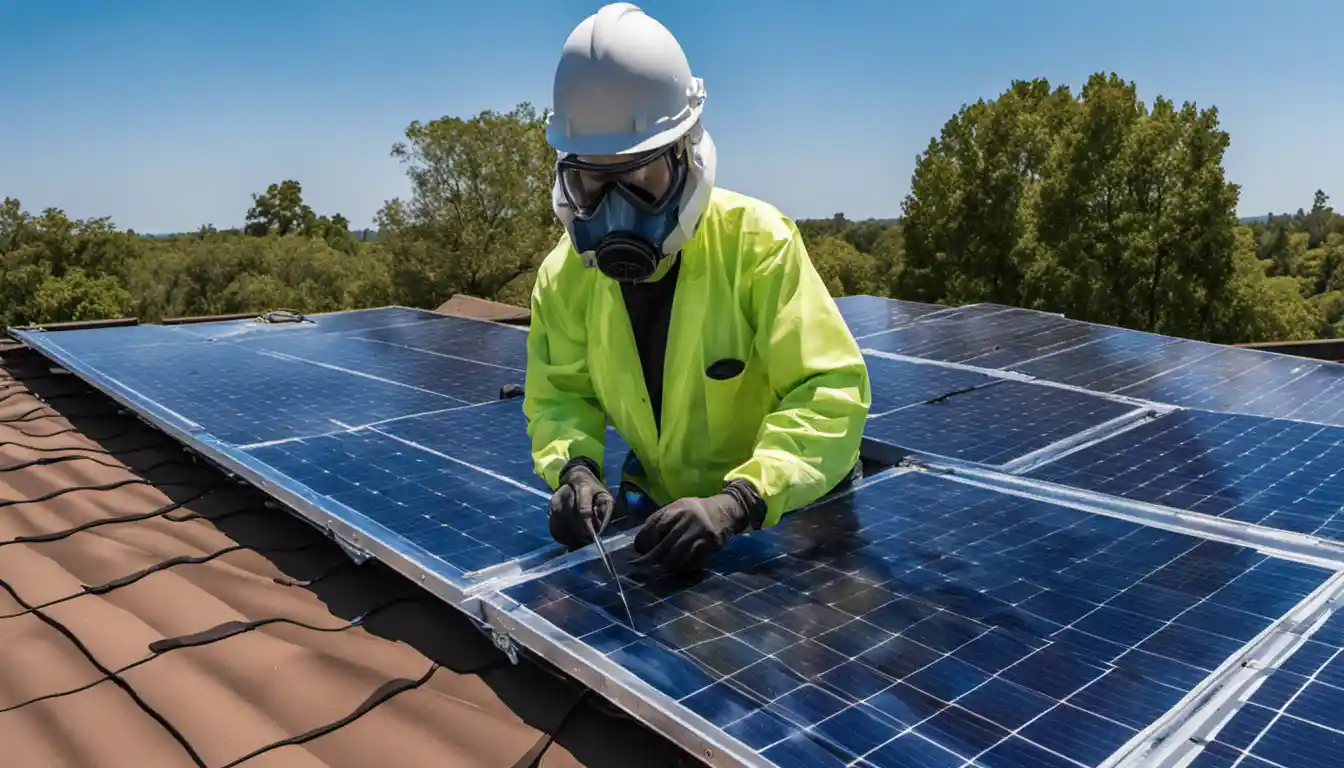
Never climb onto a roof or clean panels in unsafe weather. Use qualified help when access, height, or electrical conditions create a risk.
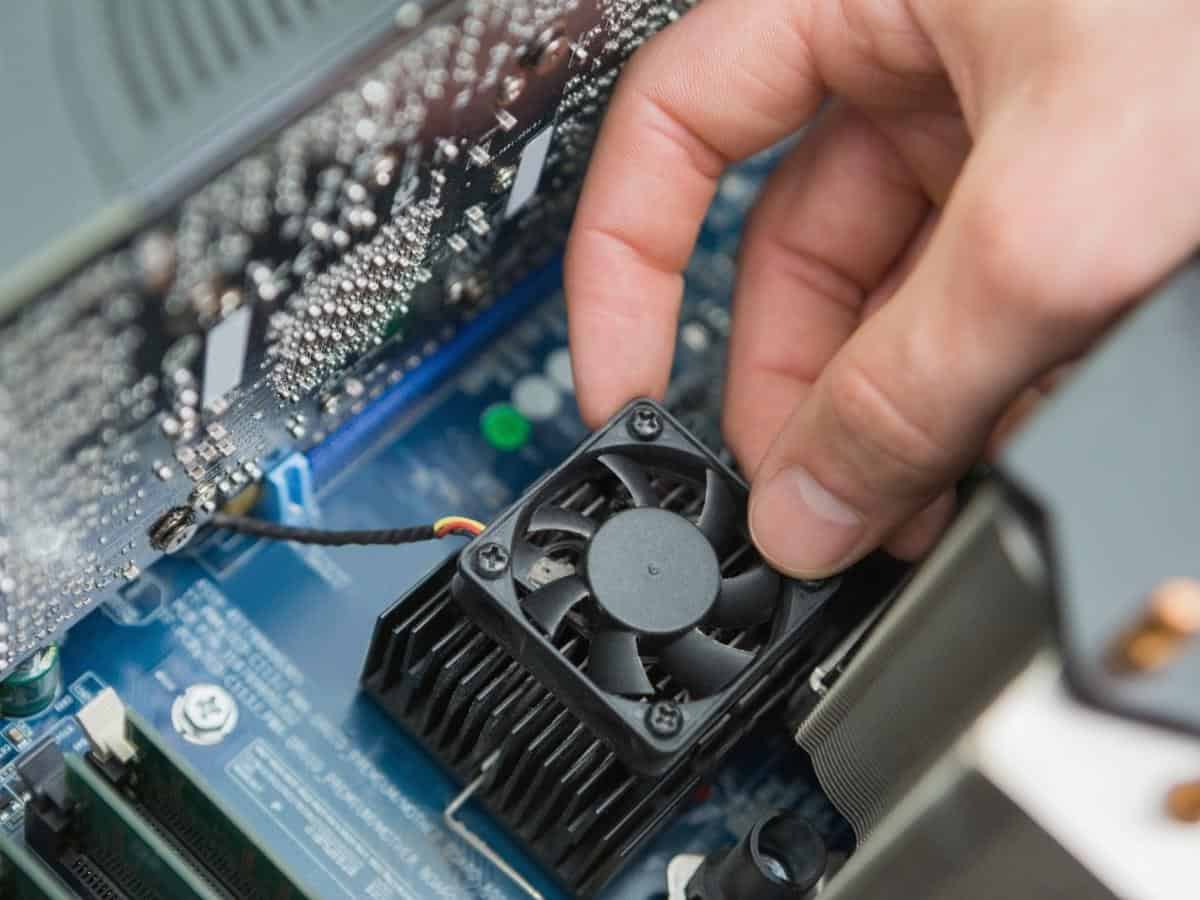
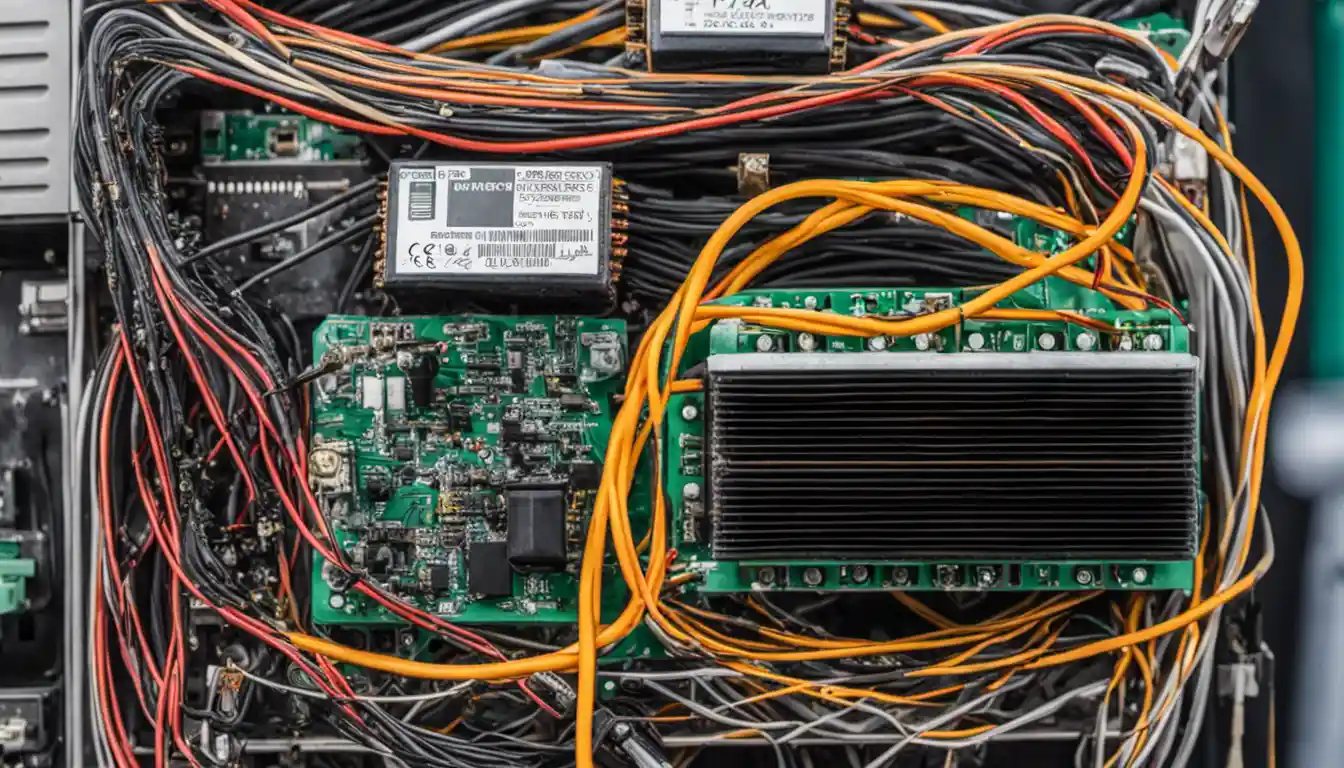
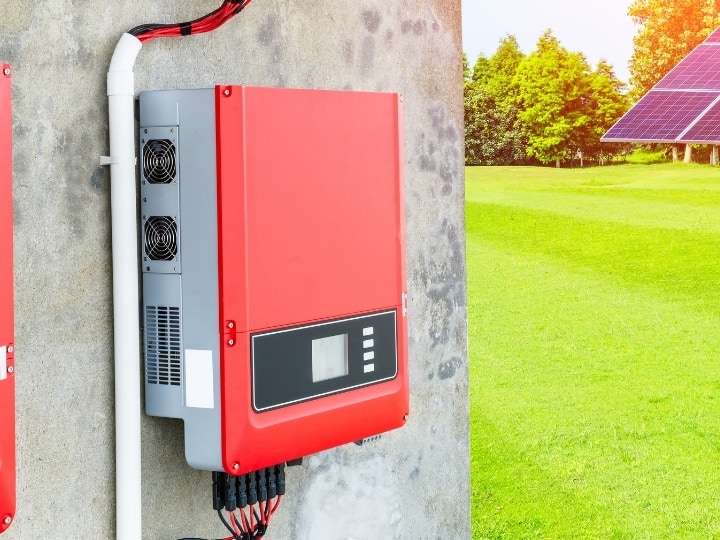
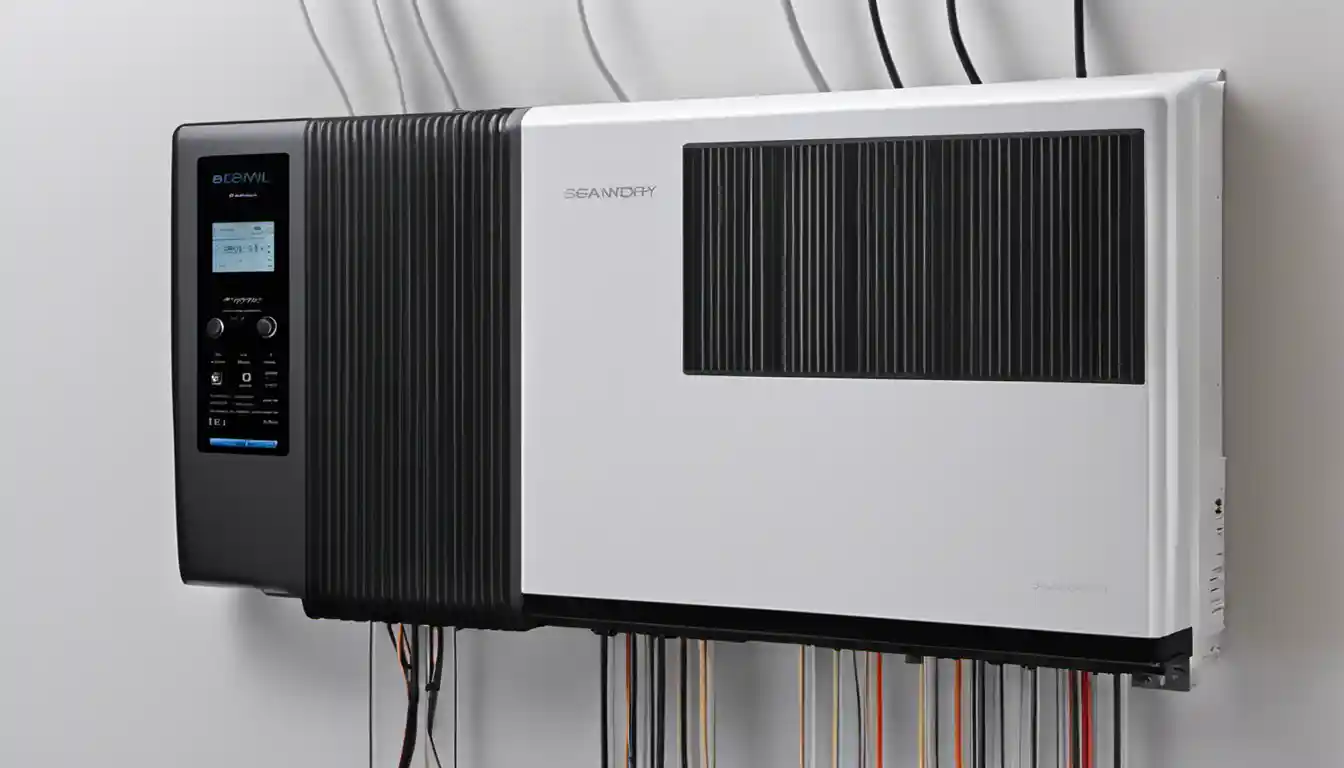
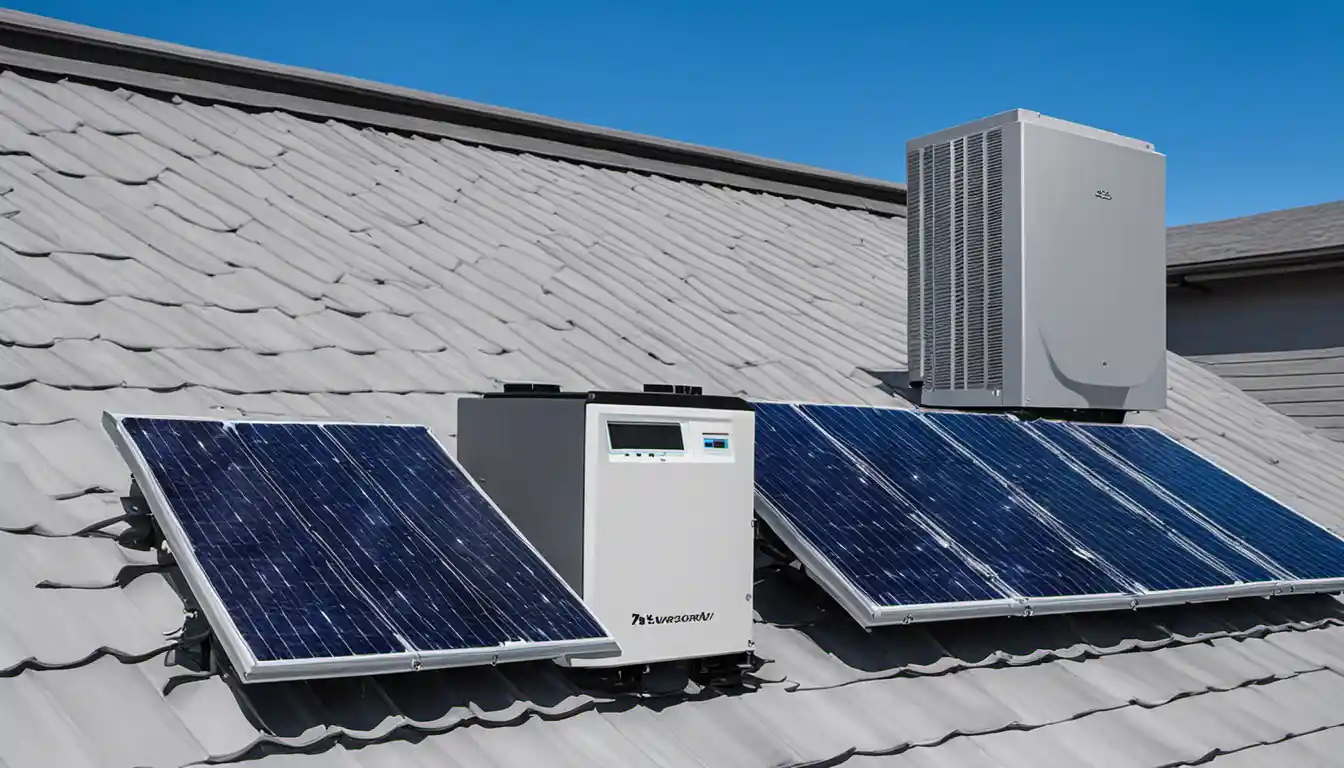
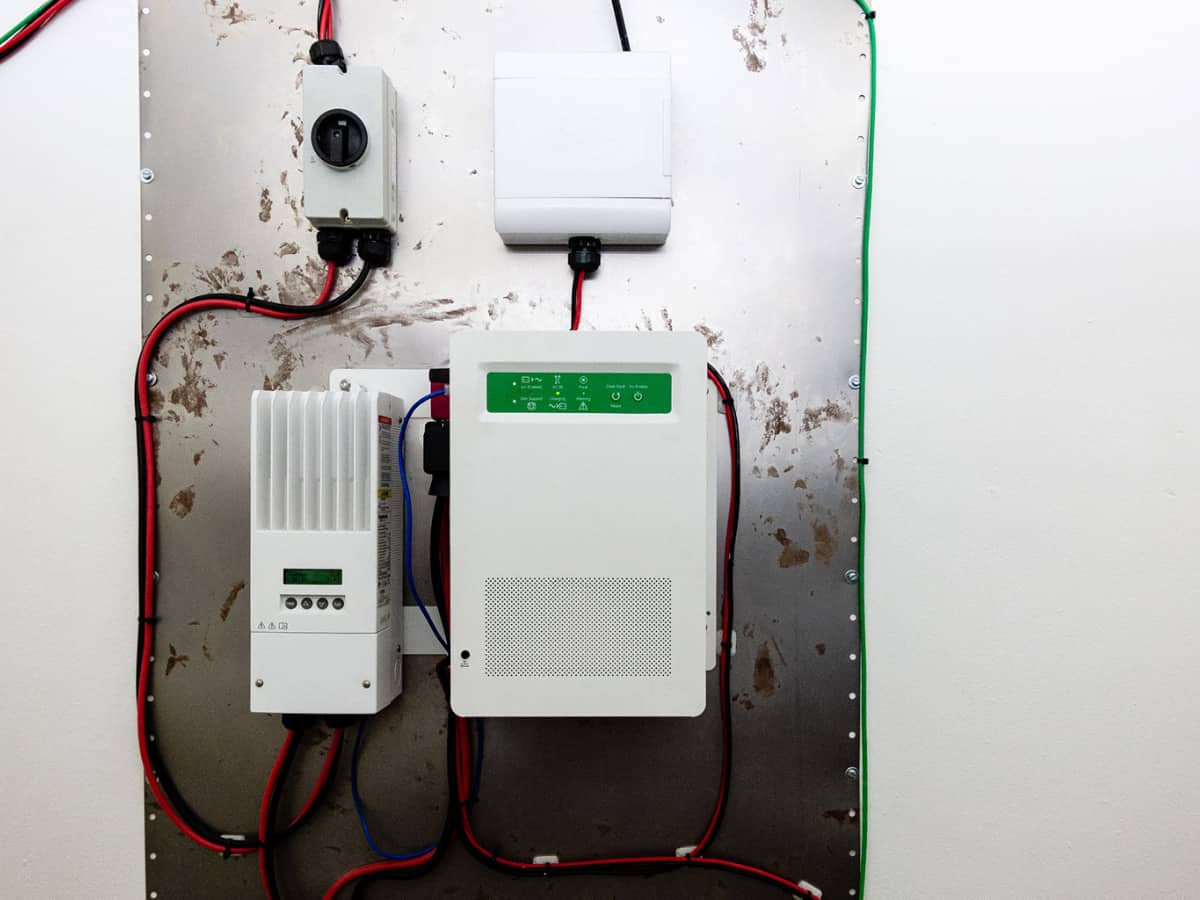
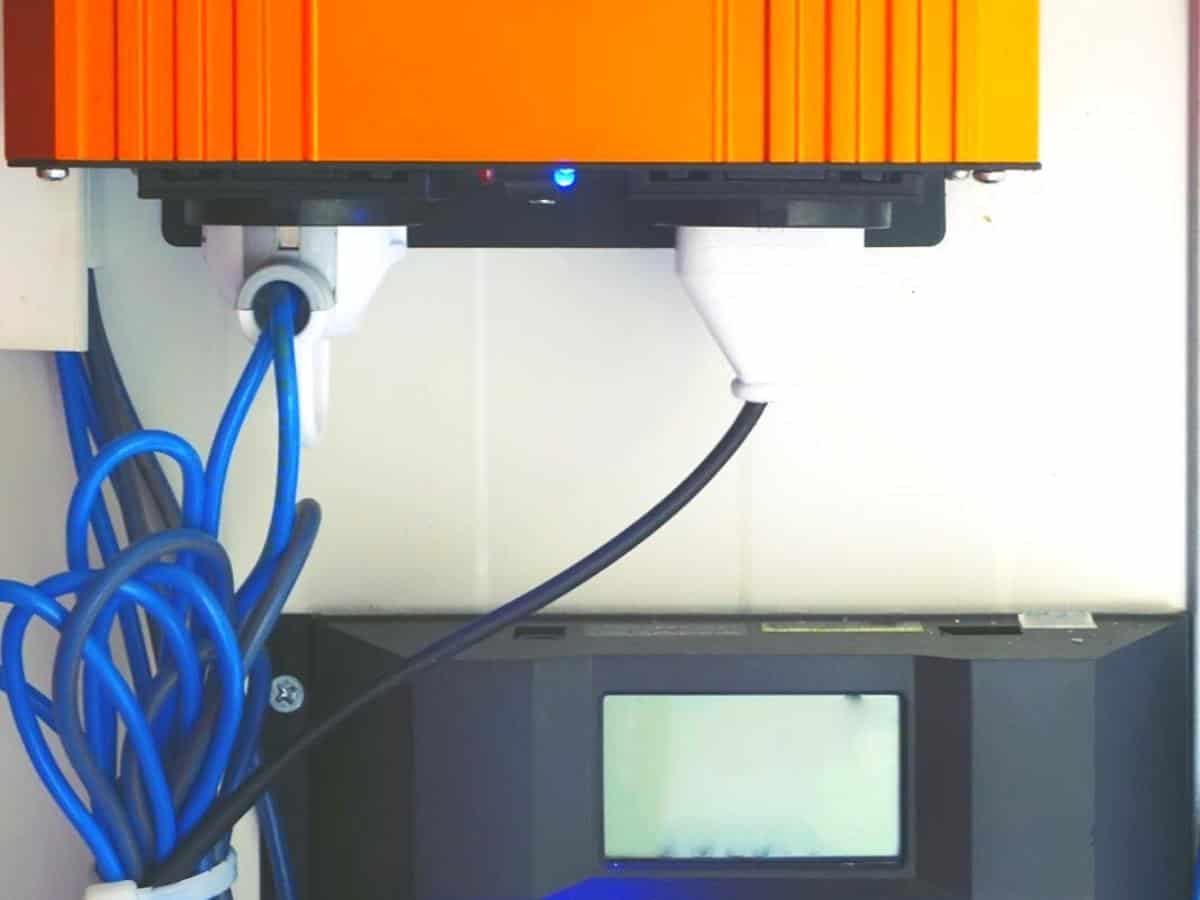
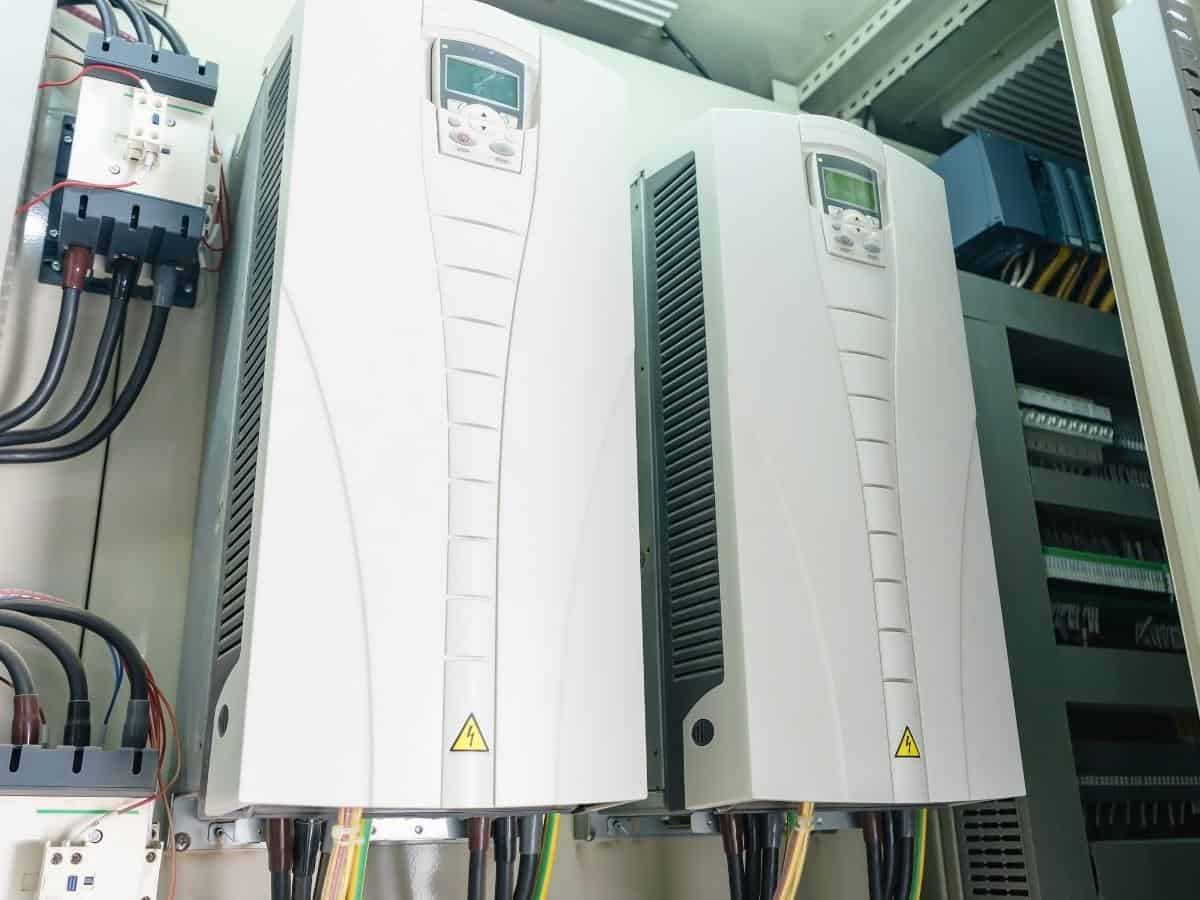
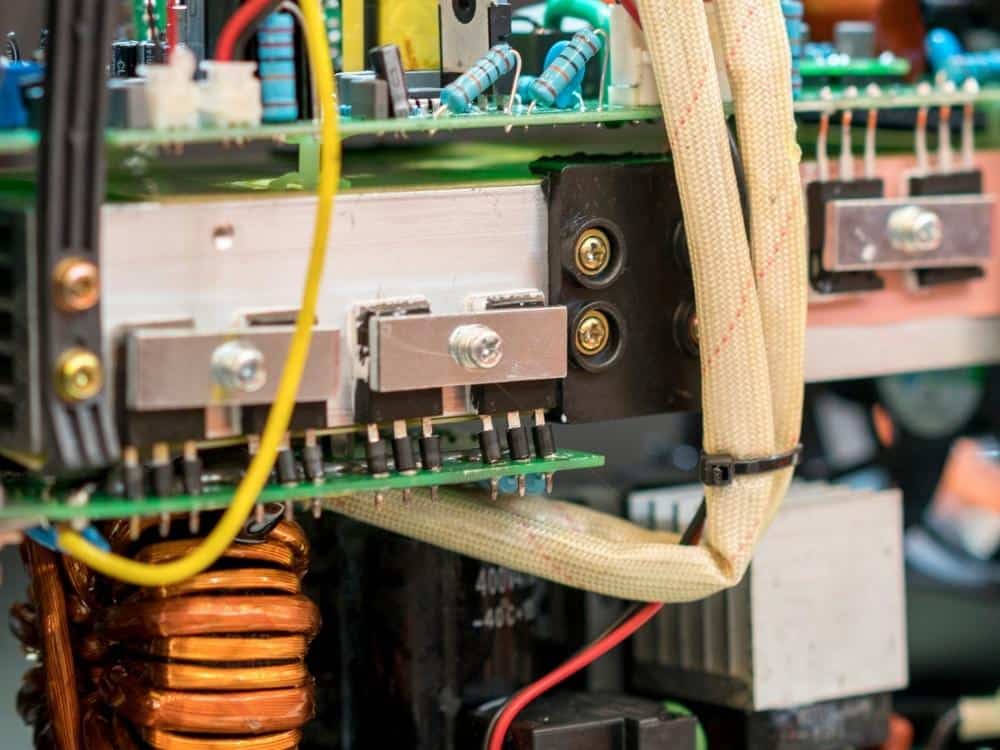
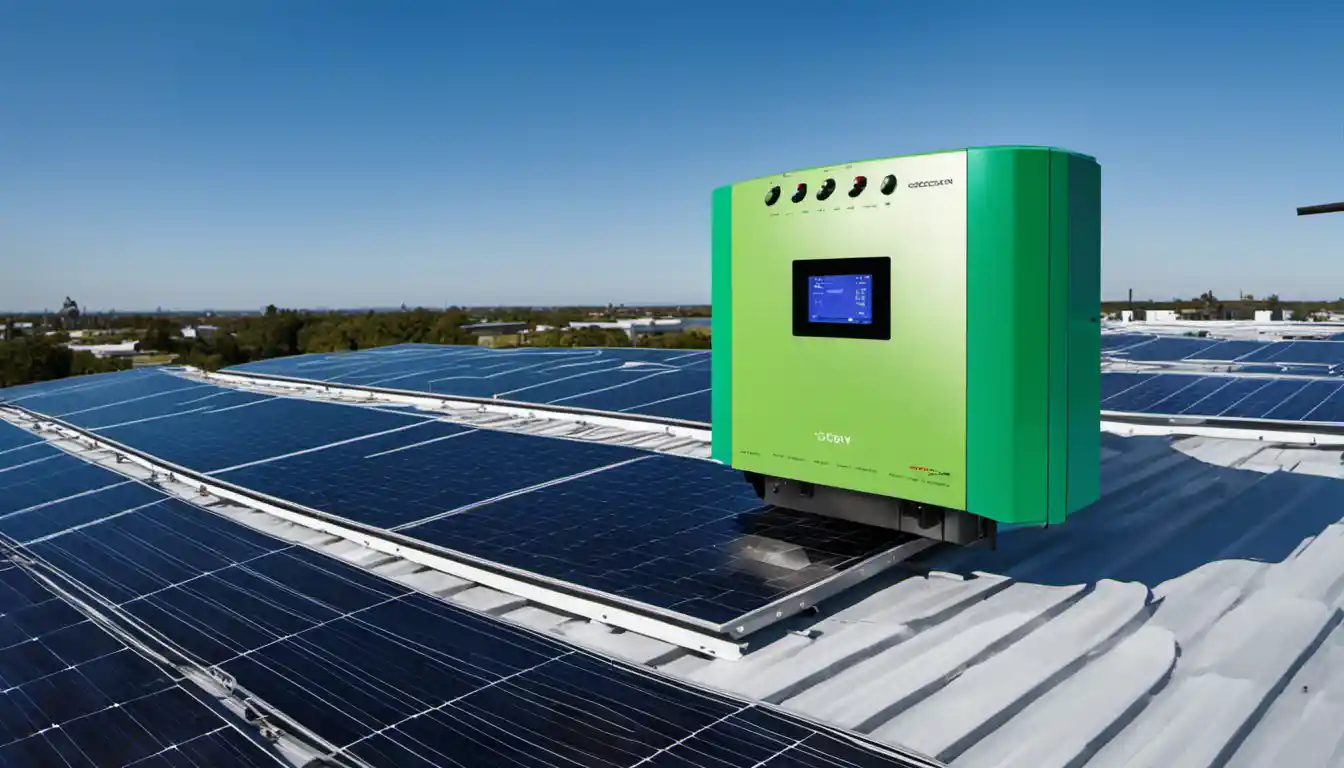
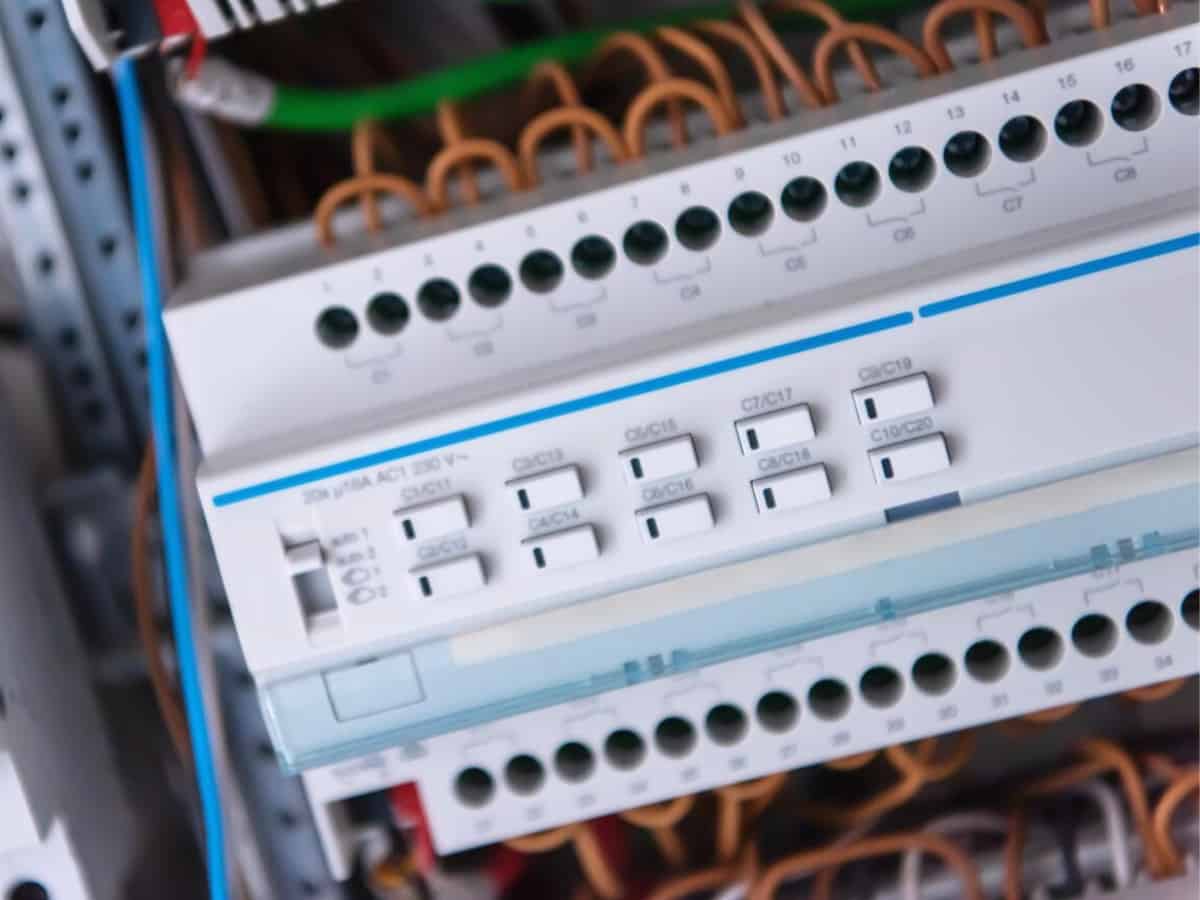
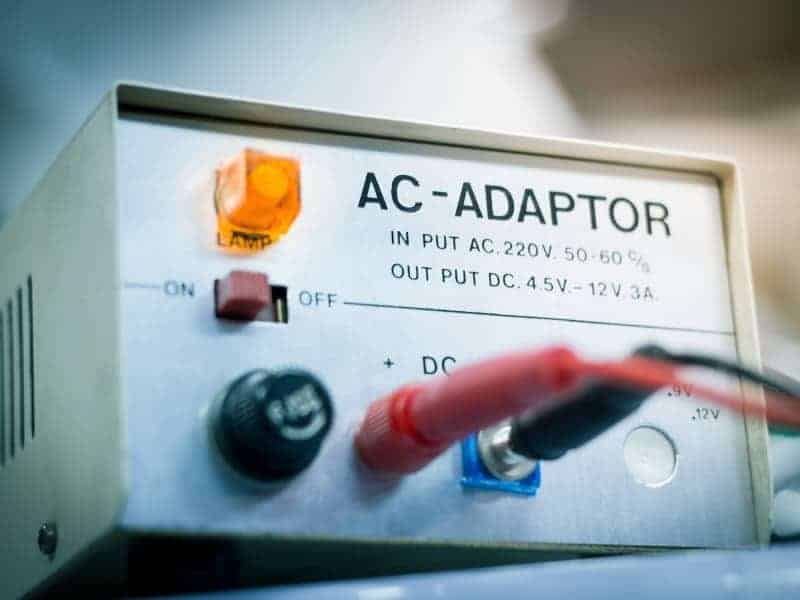
Inverters produce heat and contain electrical components that require suitable ventilation and protection.
Maintenance guidance may cover:
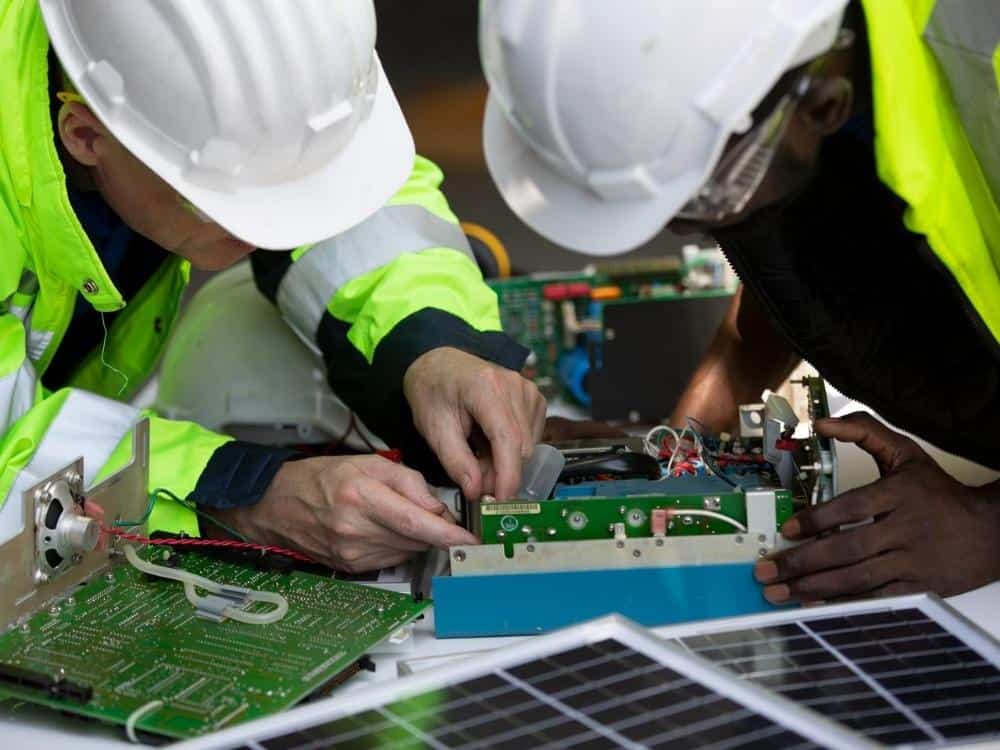
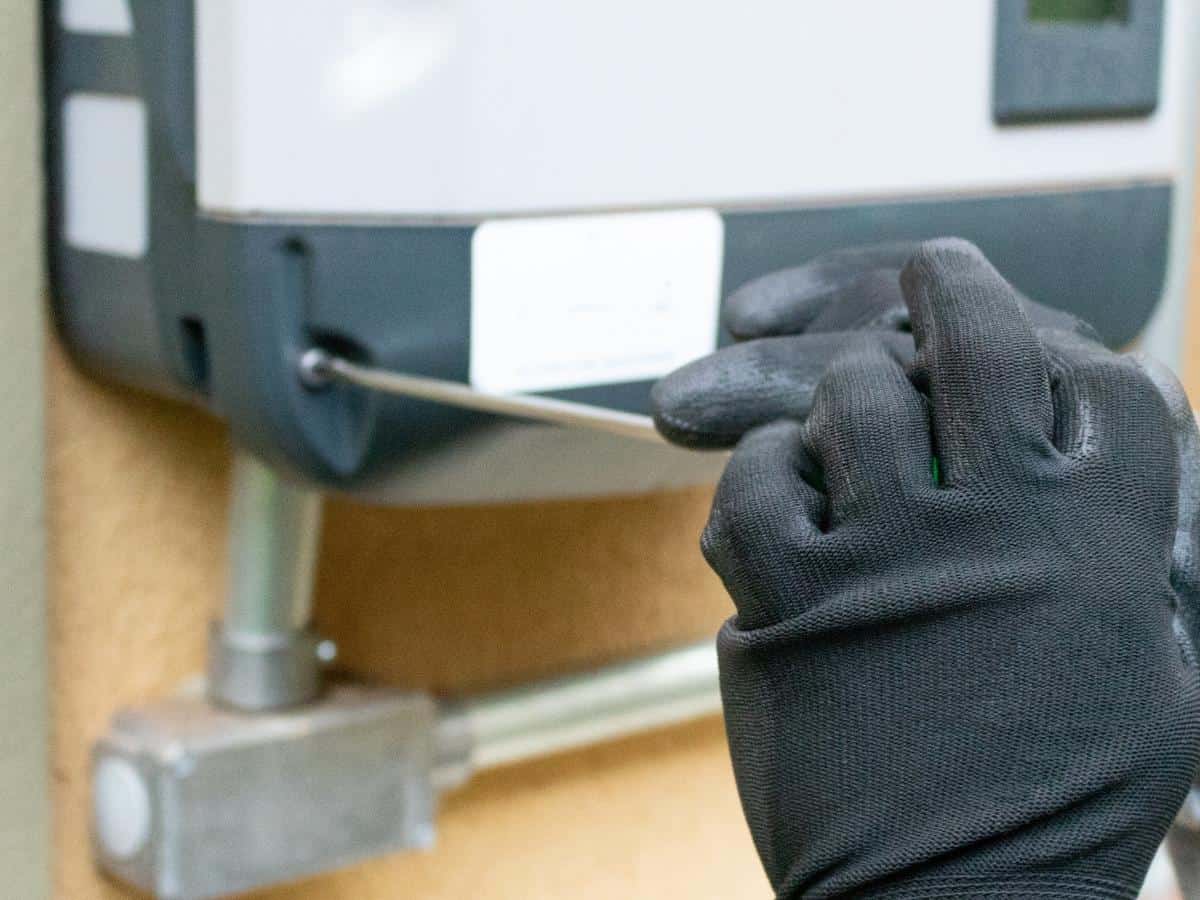
Do not open an inverter enclosure unless you are properly qualified and authorised to do so.
Battery care varies by chemistry and product design. Many modern systems require limited routine servicing, but they still need suitable conditions and regular monitoring.
Check:
Stop using a battery and seek qualified help if it becomes unusually hot, swells, leaks, emits smoke or unusual odours, or shows repeated faults.
Charge controllers should be kept within their voltage, current, temperature, and battery-chemistry limits.
Maintenance may include:
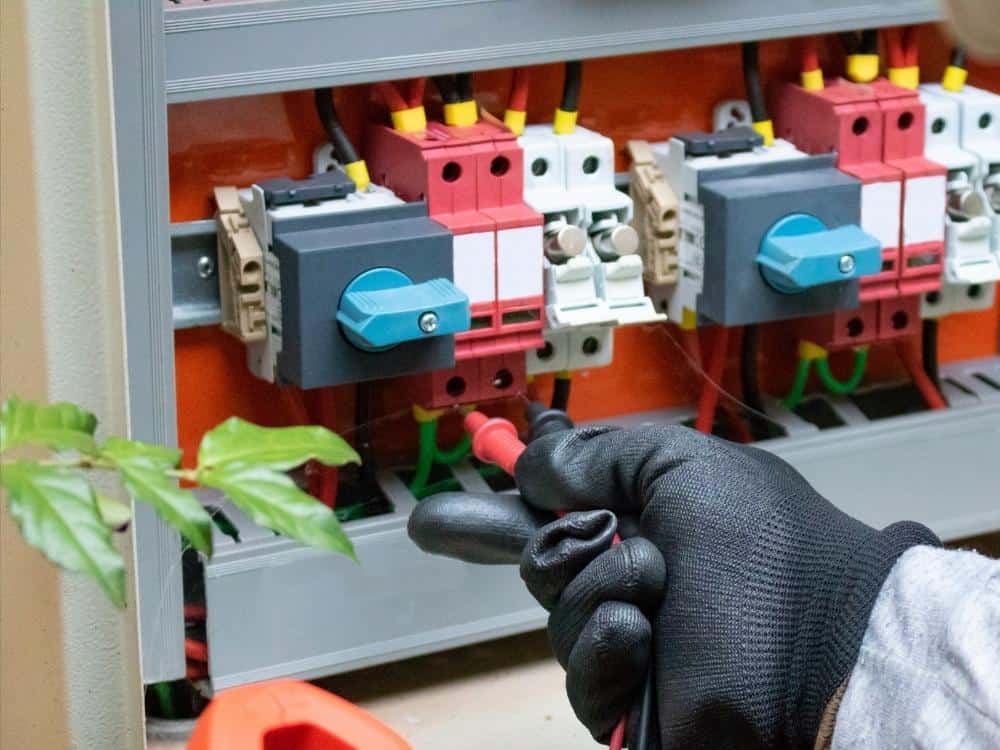
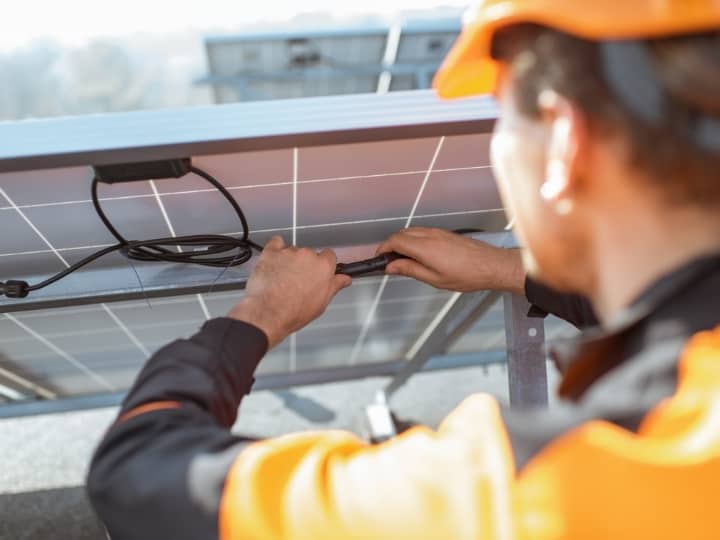
Use the manufacturer’s instructions before isolating, disconnecting, or testing the system.
Maintenance can help you:
Maintenance cannot prevent every failure, and cleaning or inspection does not guarantee a specific energy output.
There is no single schedule that suits every installation. Consider:
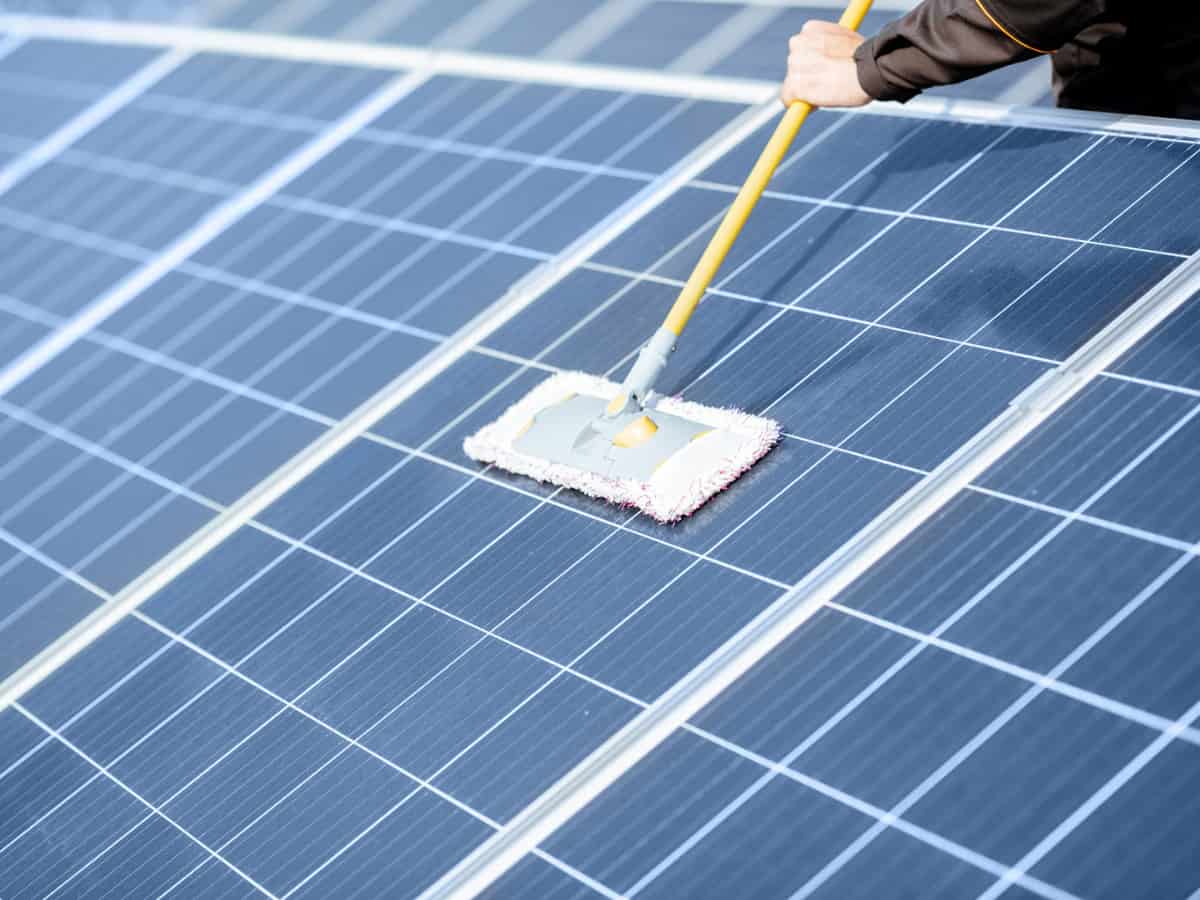
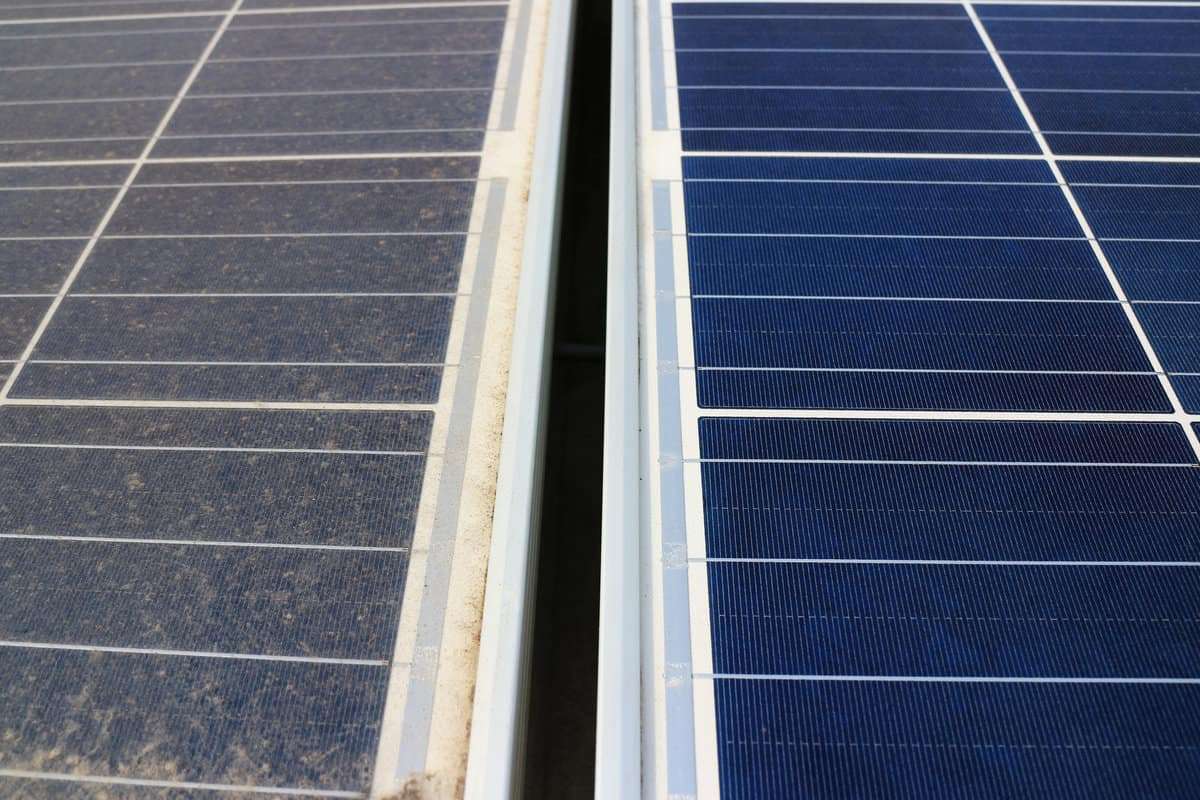
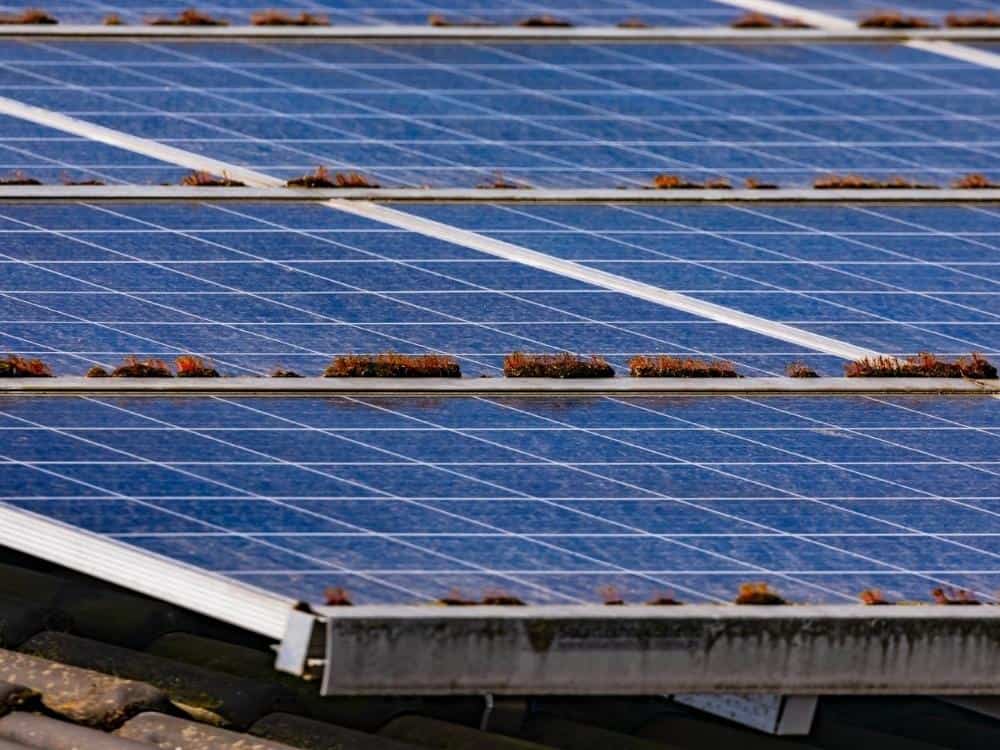
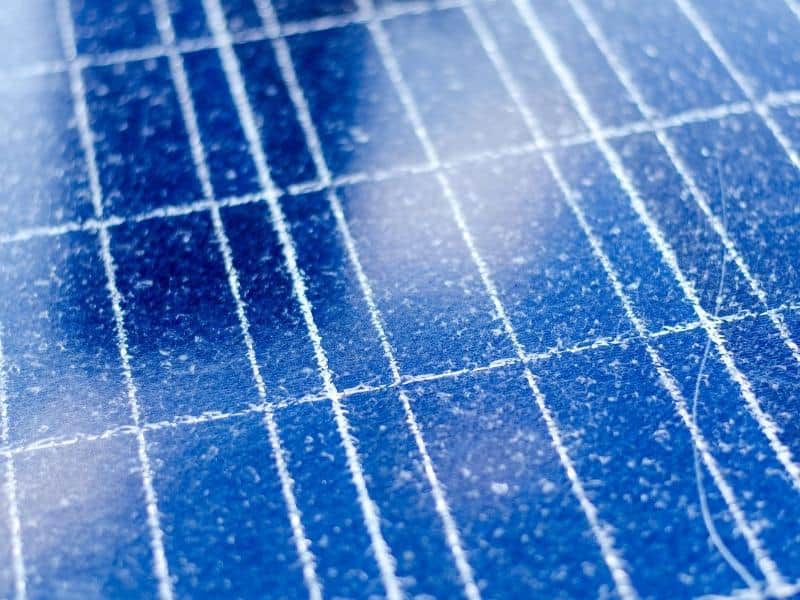
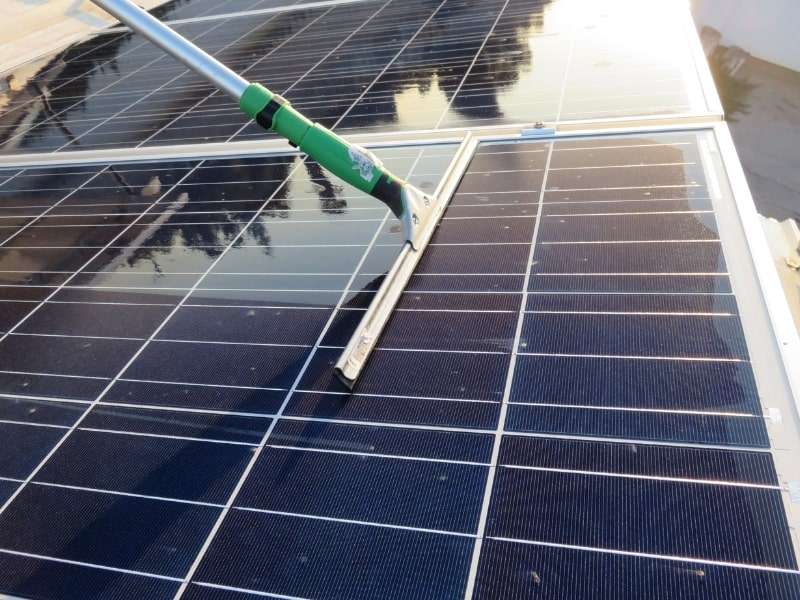
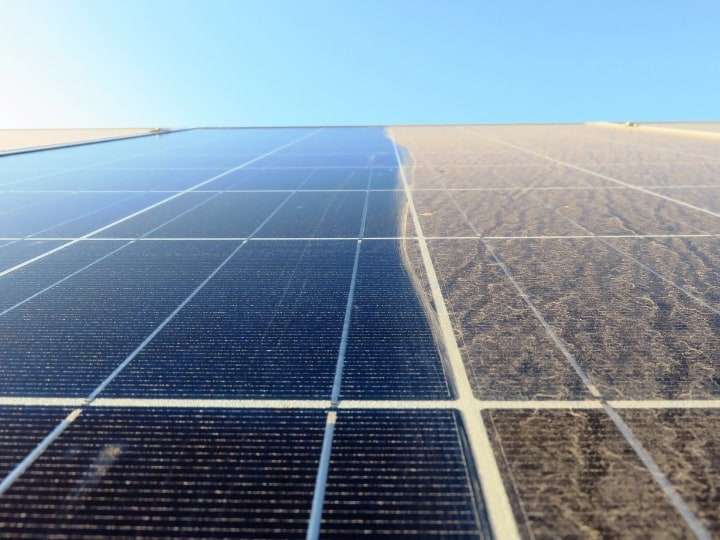
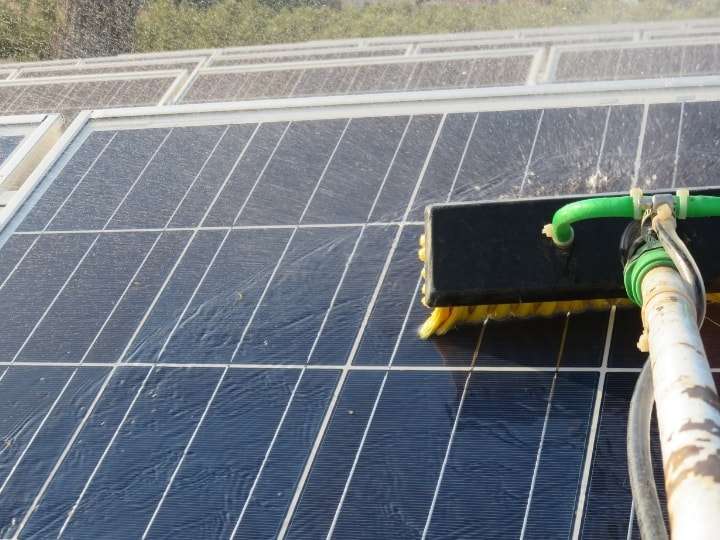
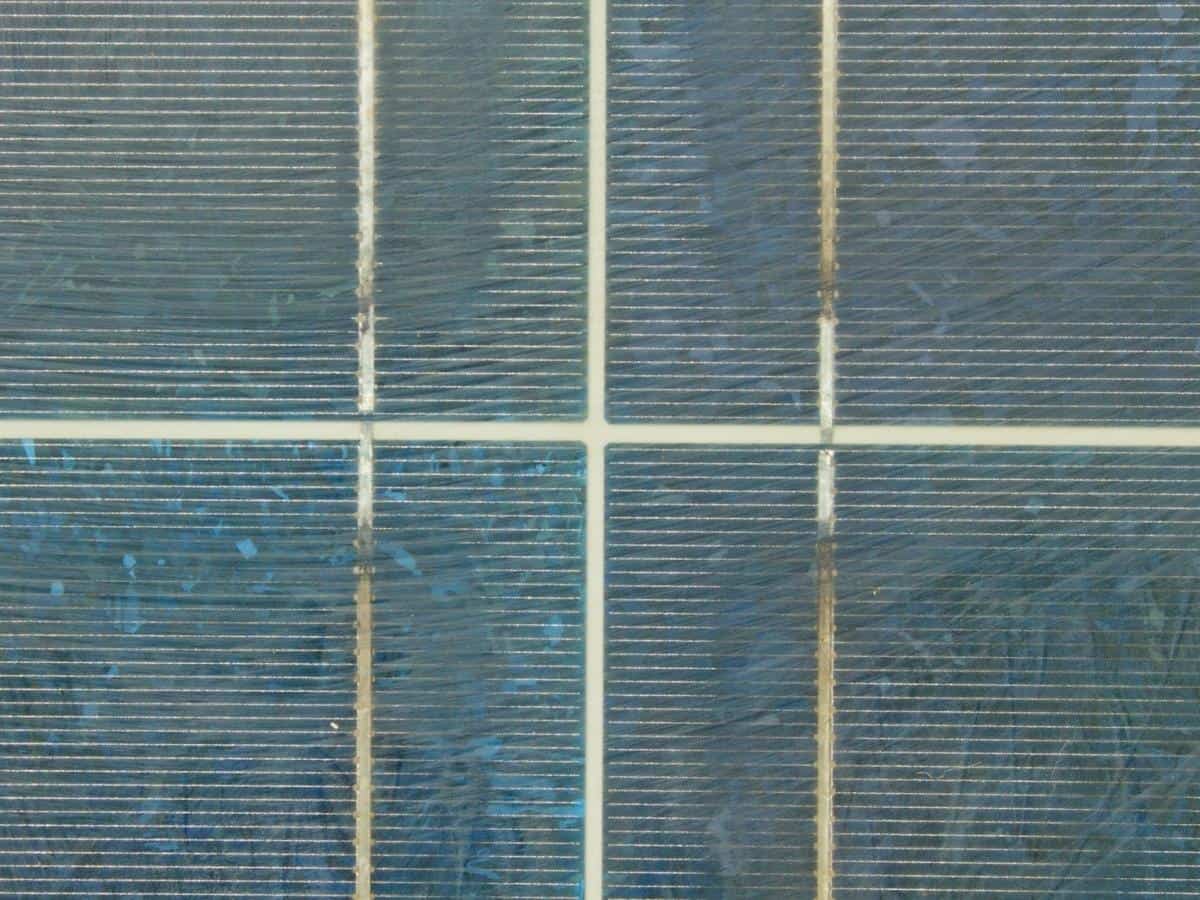
Visual checks and monitoring reviews can be more useful than cleaning on a fixed schedule. Cleaning may be unnecessary after light rain in some locations but important where deposits remain on the panel surface.
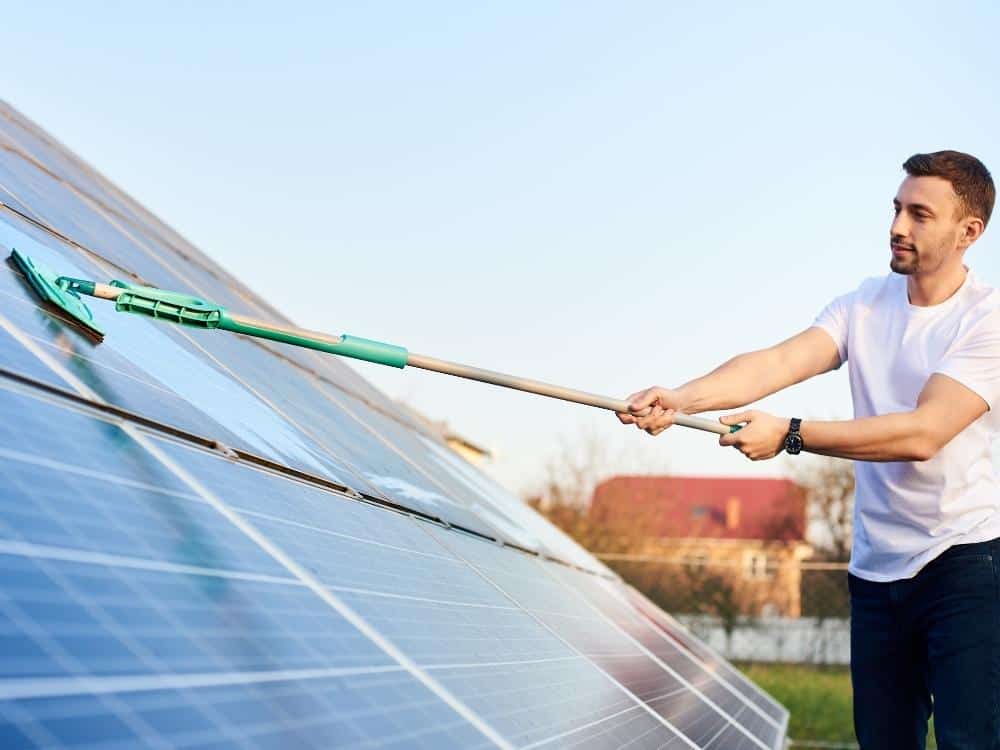
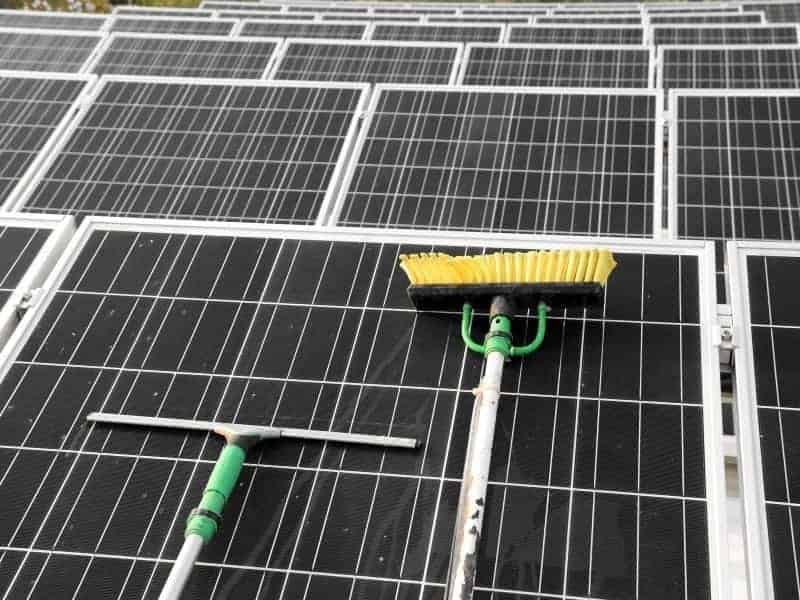
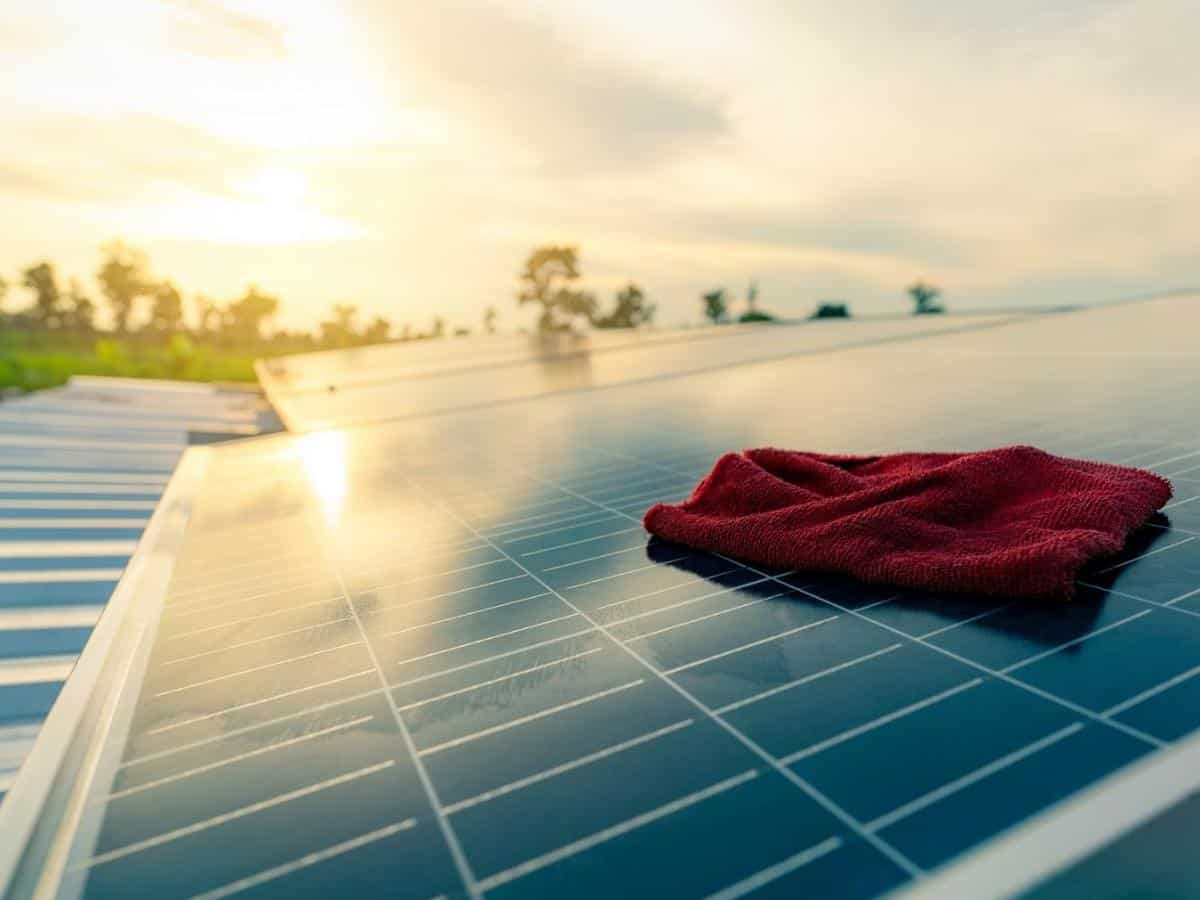
If cleaning is appropriate:
Professional cleaning may be appropriate for high, steep, fragile, commercial, or difficult-to-access installations.
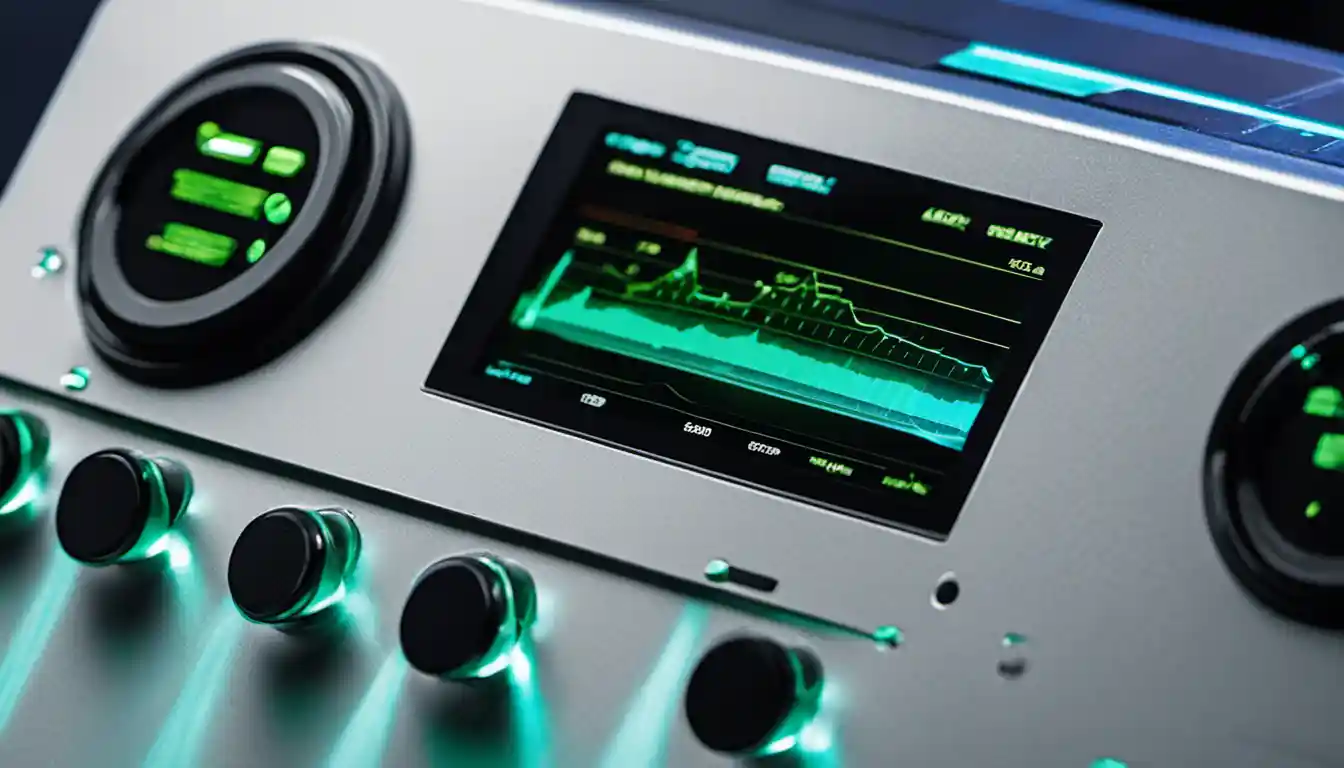
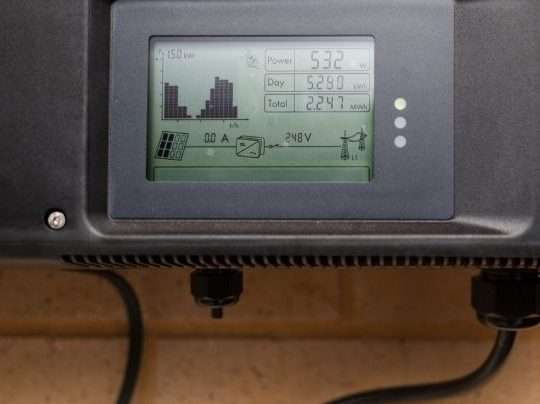
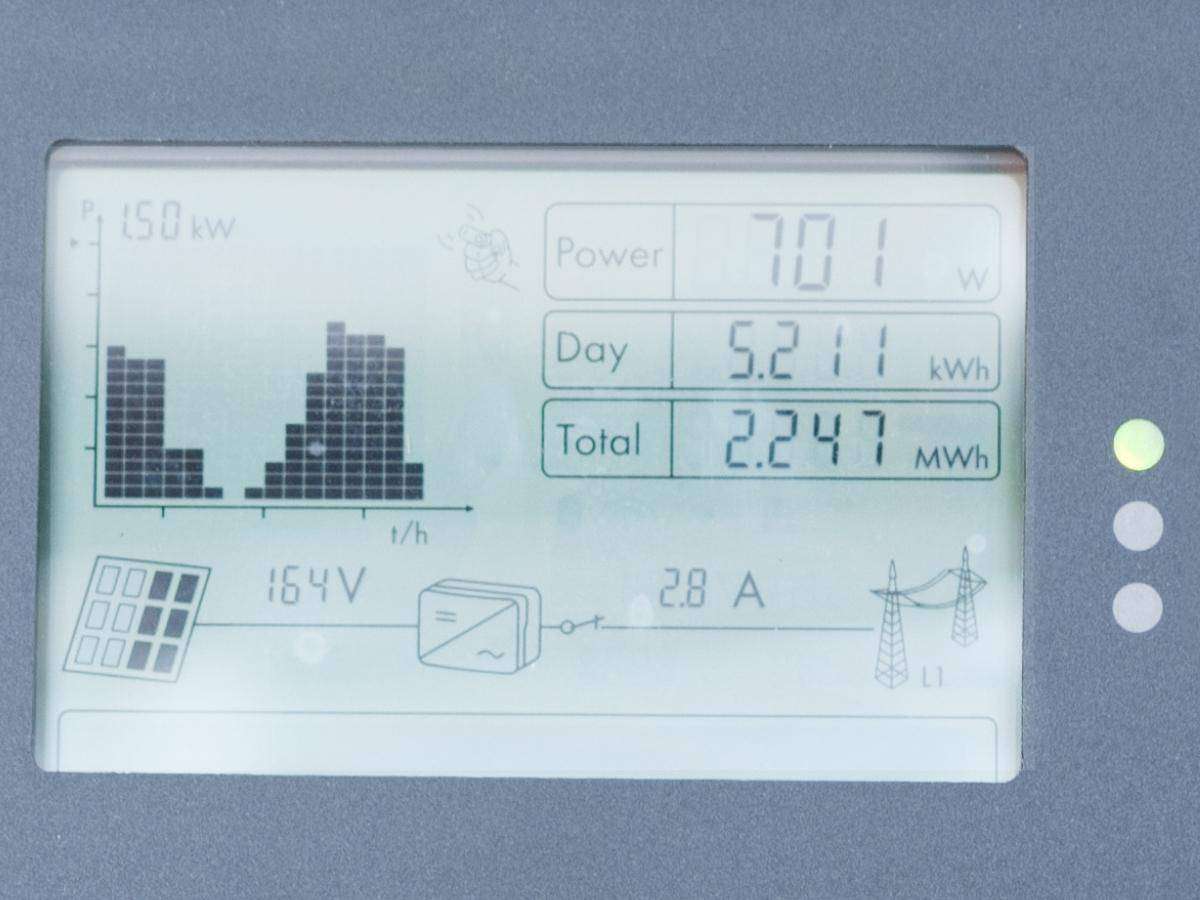
Monitoring systems, inverter displays, battery apps, and energy meters can help you identify changes in performance.
Compare data over time rather than reacting to a single low-production day. Weather, seasonal sunlight, shading, temperature, grid conditions, battery settings, and household consumption can all affect readings.
Investigate a persistent change, especially when it occurs alongside:
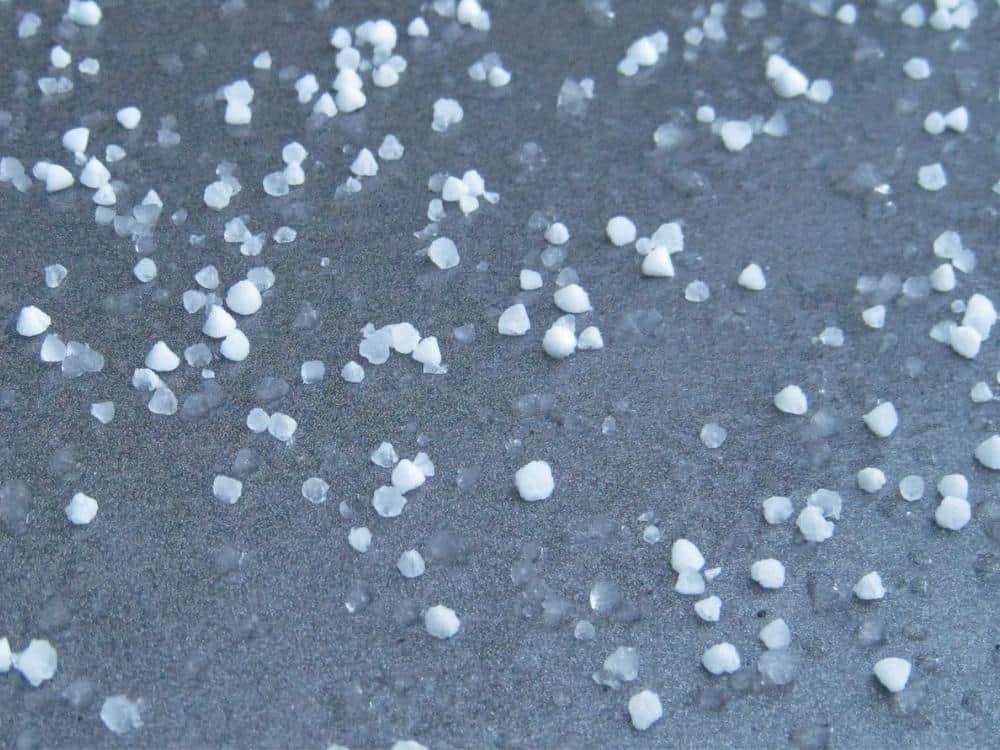
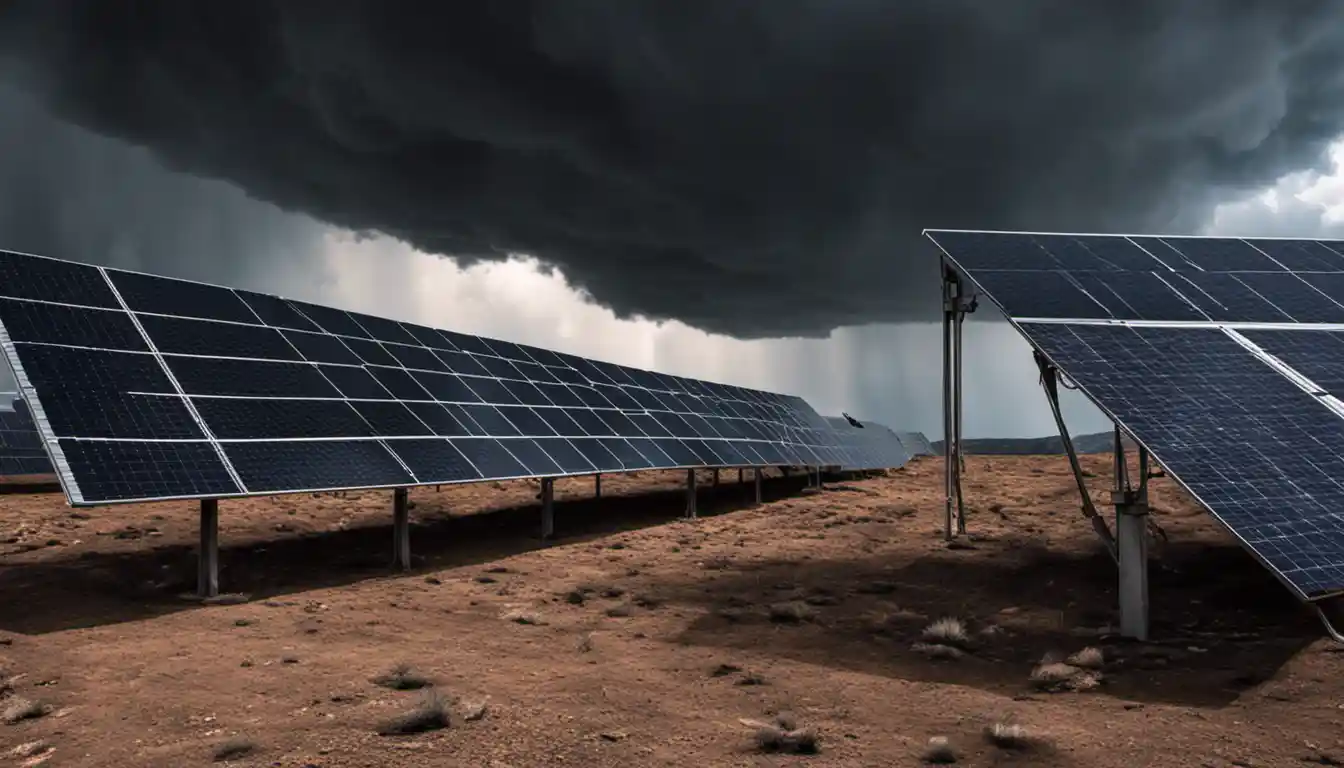
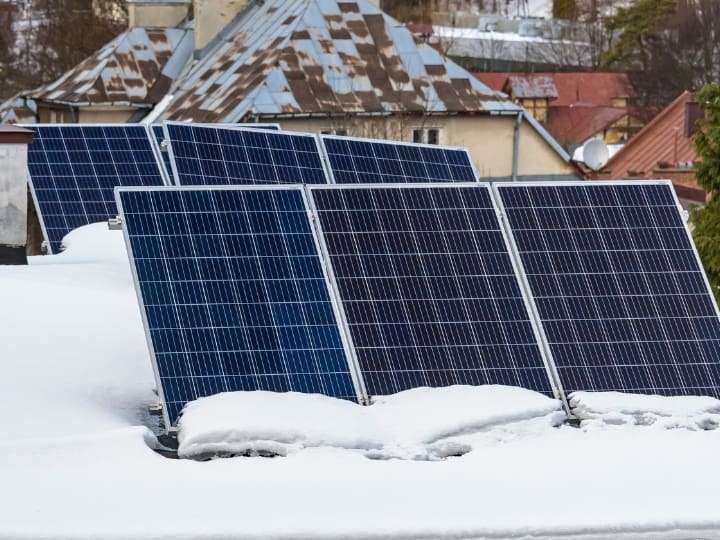
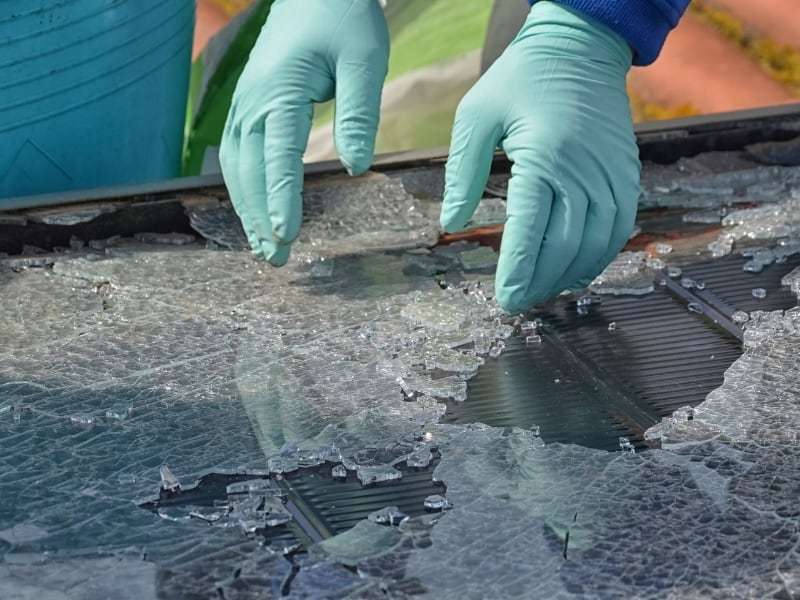
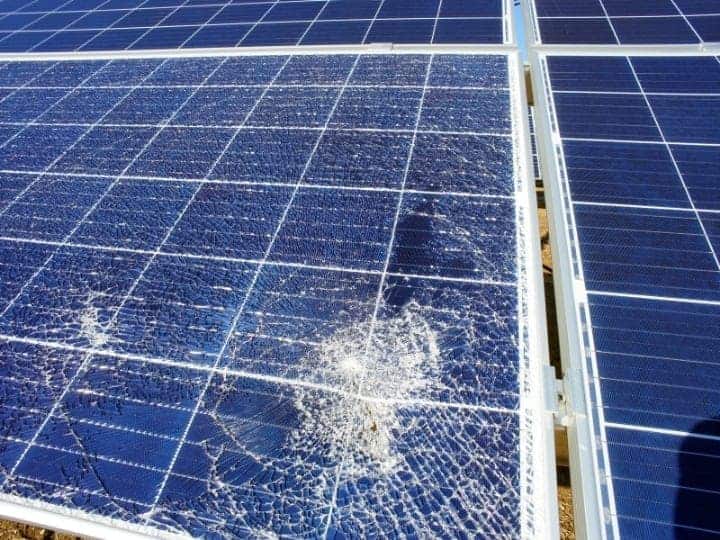
Inspecting a solar system after hail, high winds, storms, flooding, lightning, or falling debris may reveal damage that is not immediately obvious.
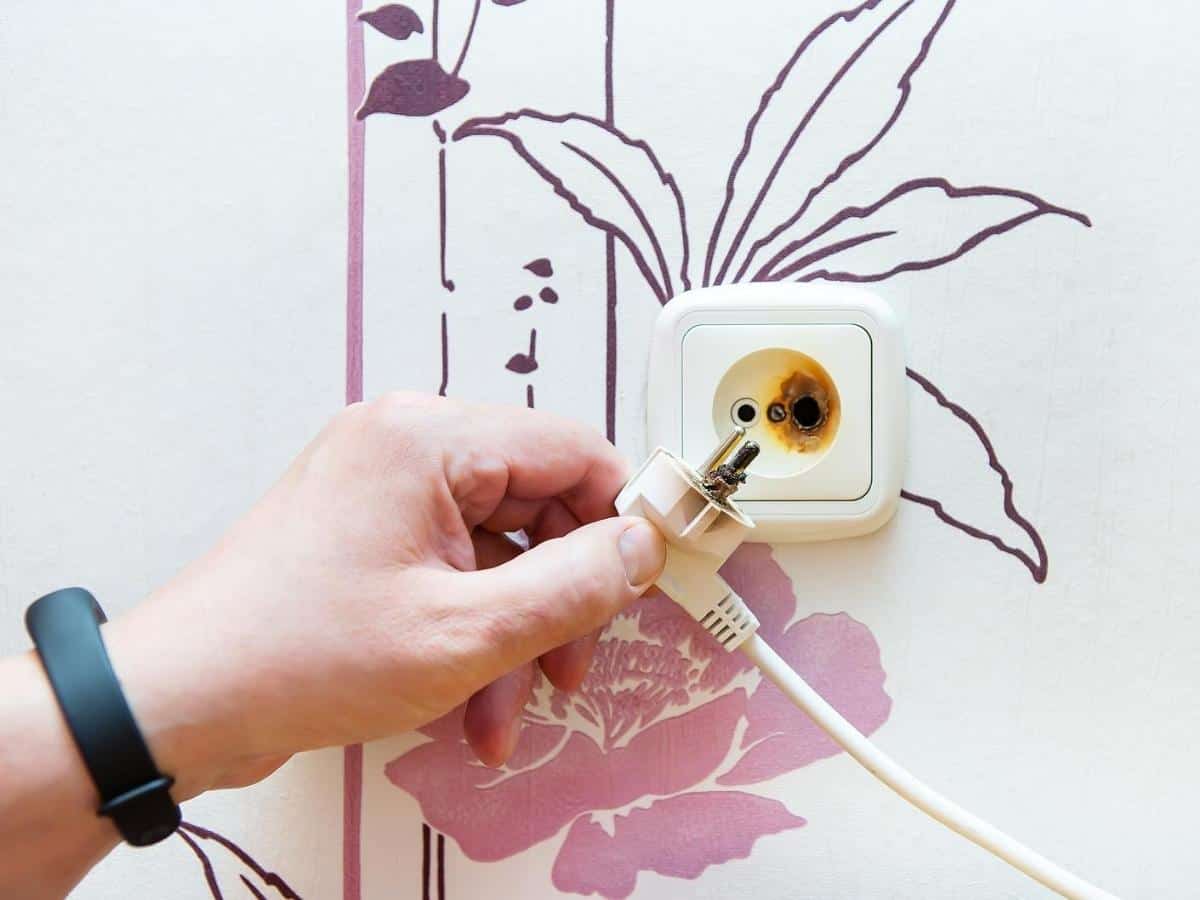
Do not touch damaged cables, broken panels, flooded equipment, or exposed electrical components. Keep people away from the area and contact a qualified installer, electrician, manufacturer, insurer, or emergency service as appropriate.
Do not assume that switching off one component makes the entire system electrically safe.
Maintenance costs depend on:
Routine inspection may cost less than emergency repair, but a service provider should explain what is included before work begins.
Use this category to learn how to inspect, clean, monitor, and care for solar equipment throughout its service life. Begin with the manufacturer’s instructions and your system’s monitoring data, then arrange professional help when safety, access, or technical complexity requires it.