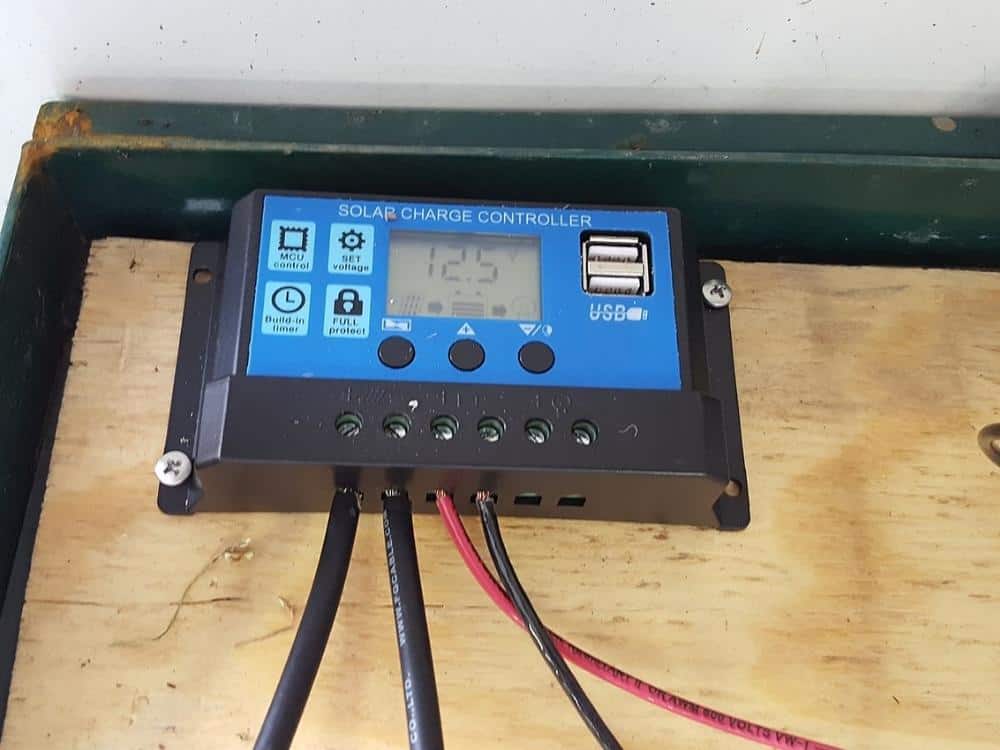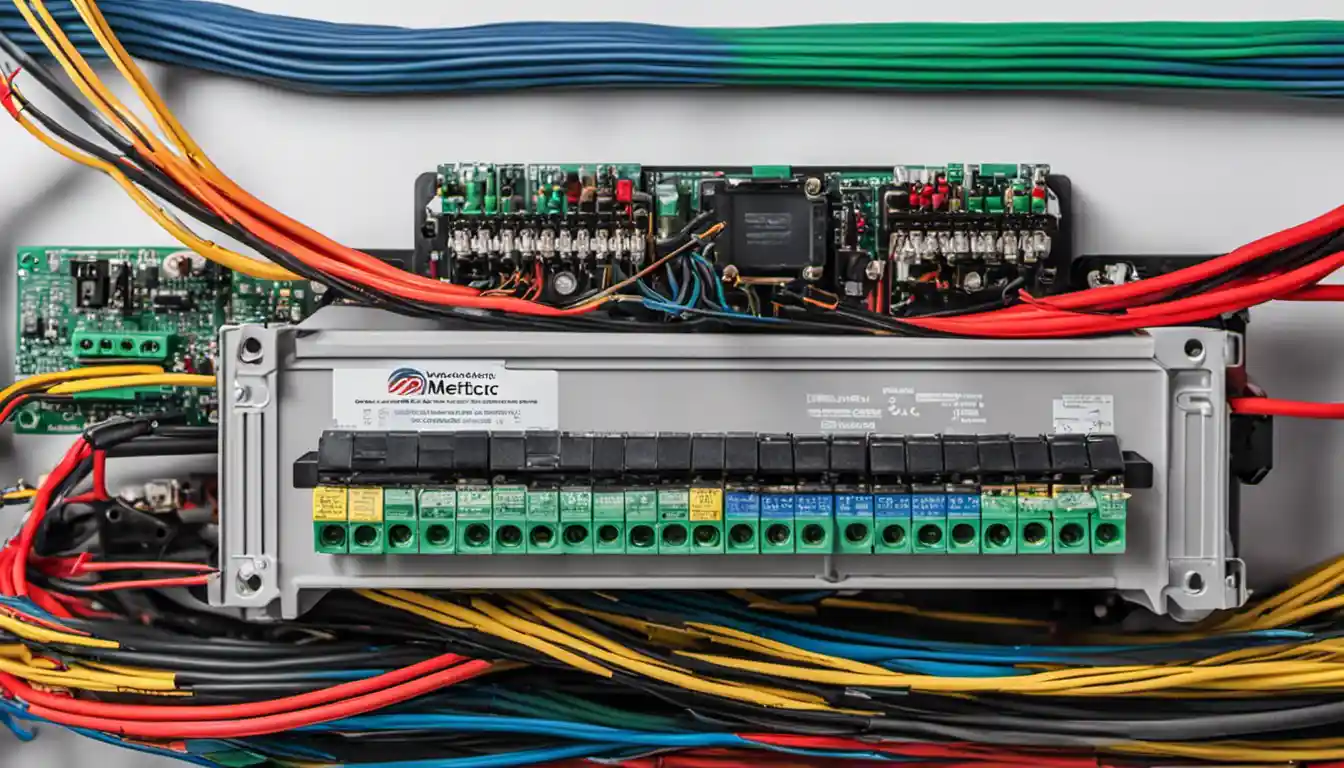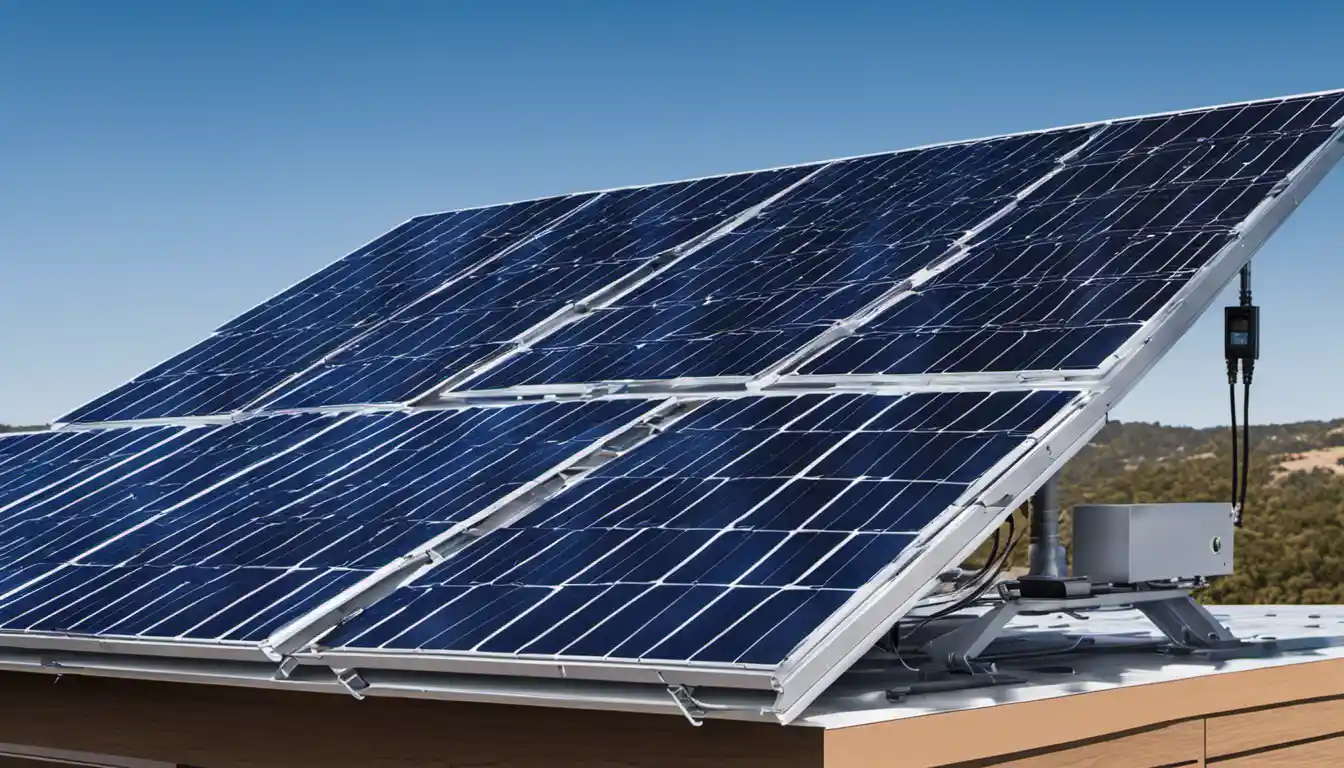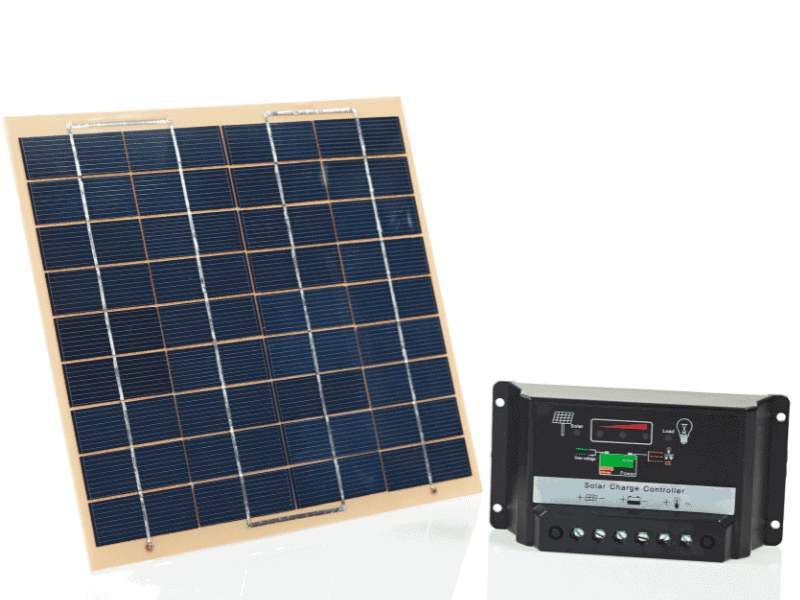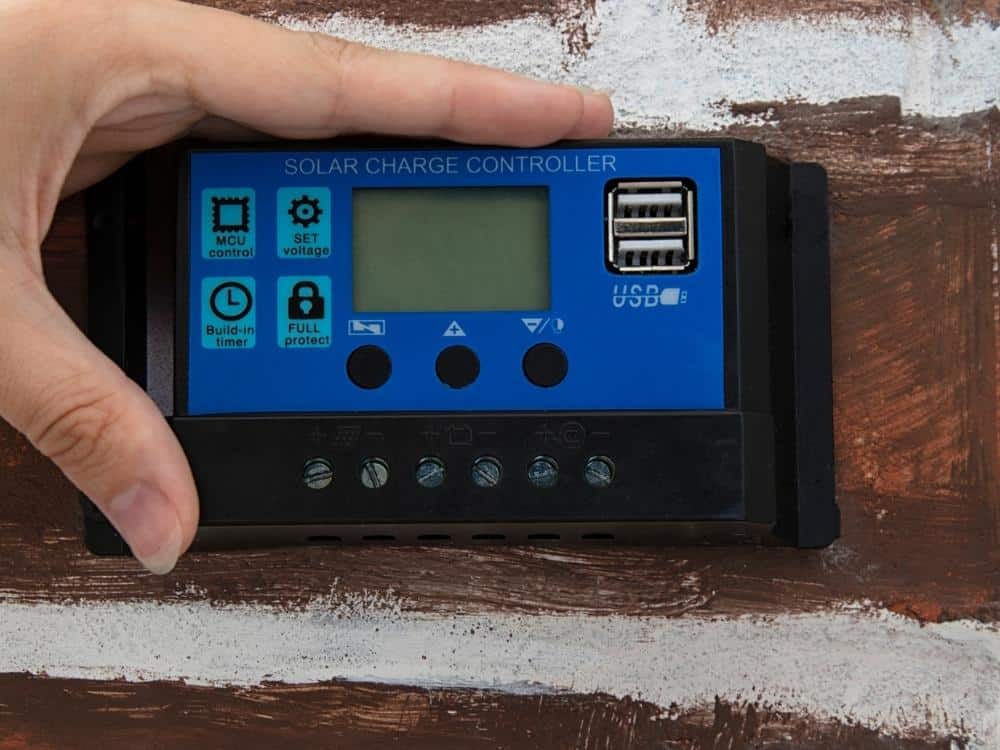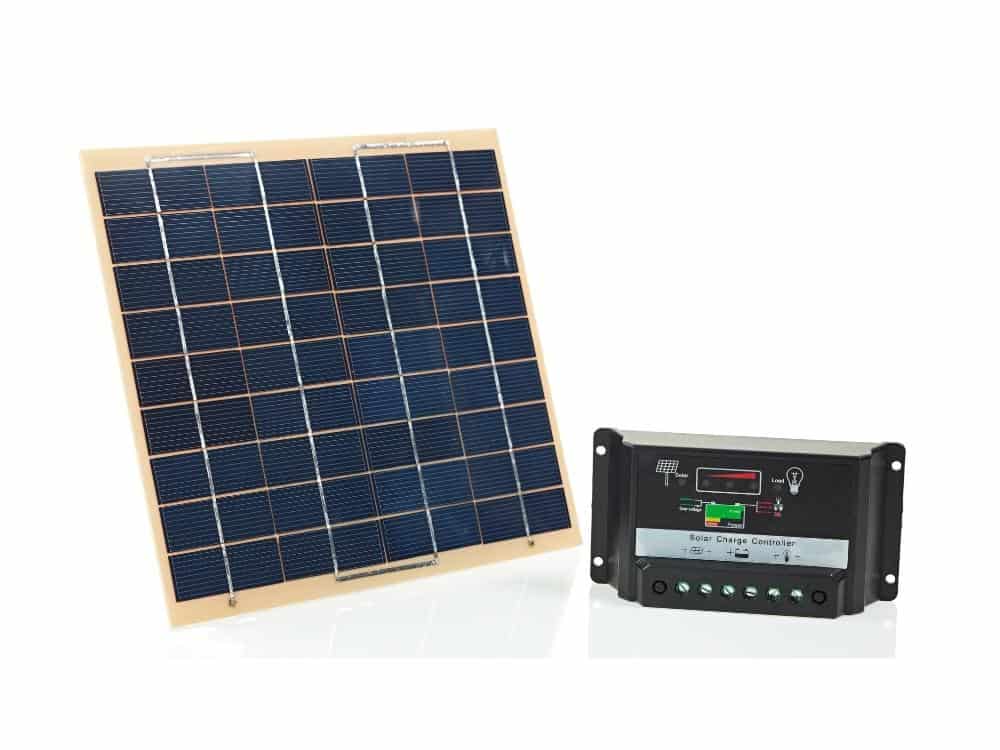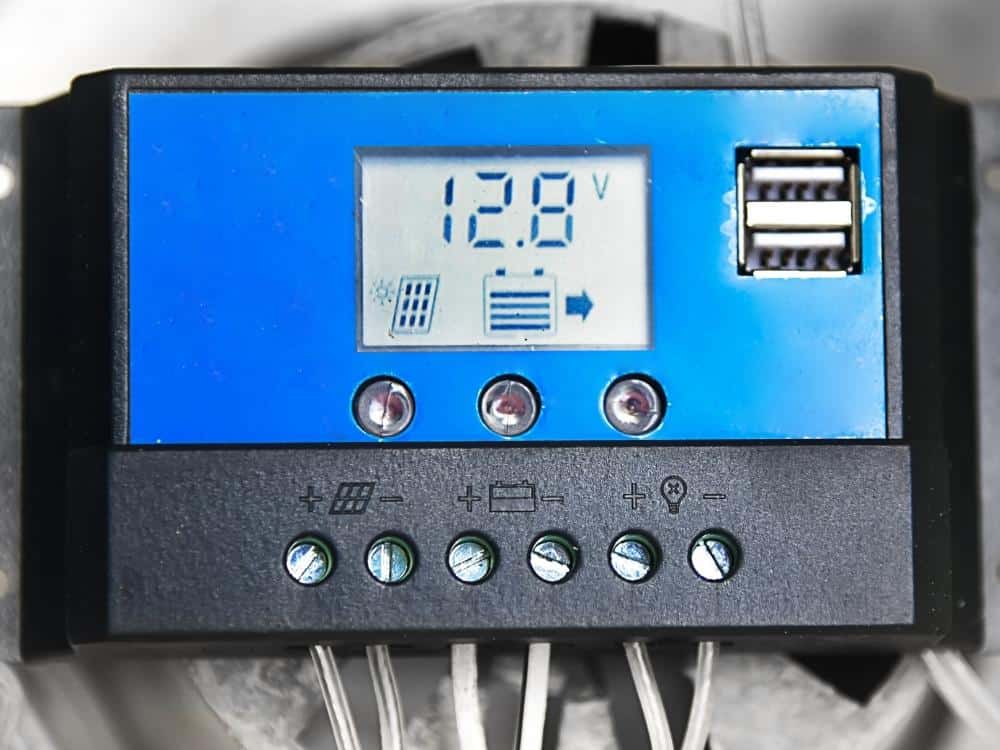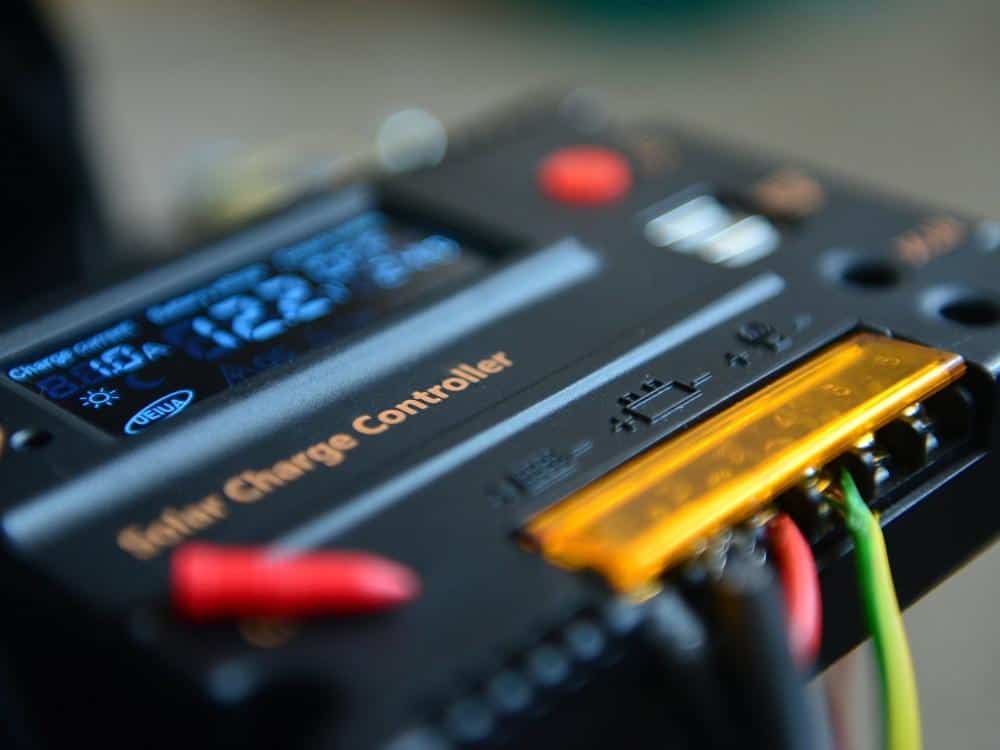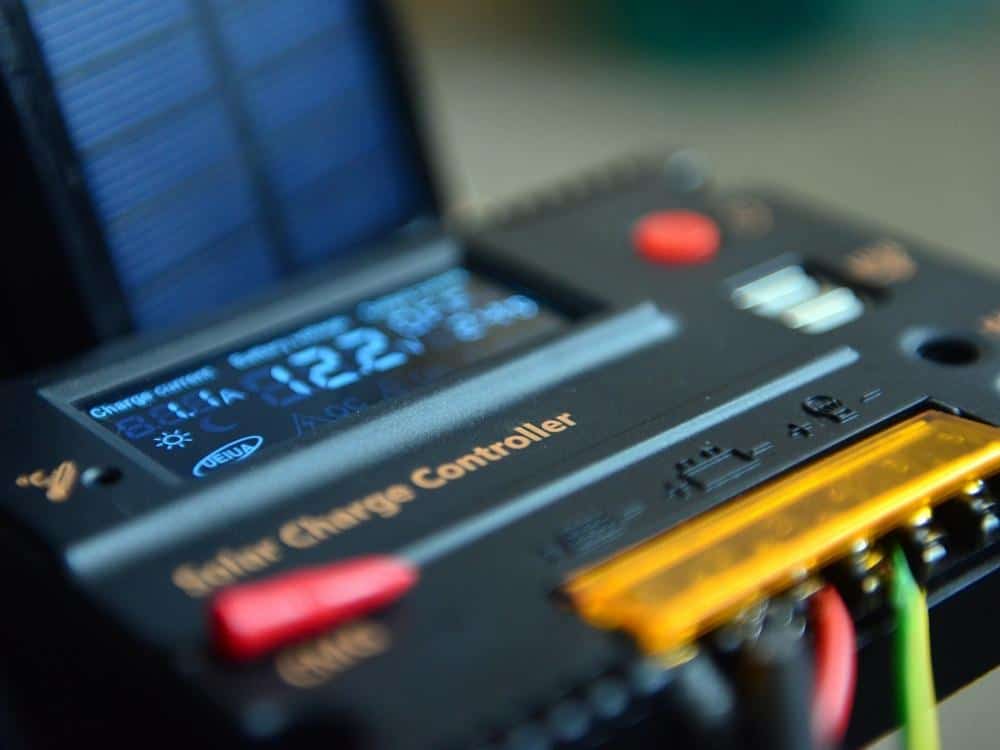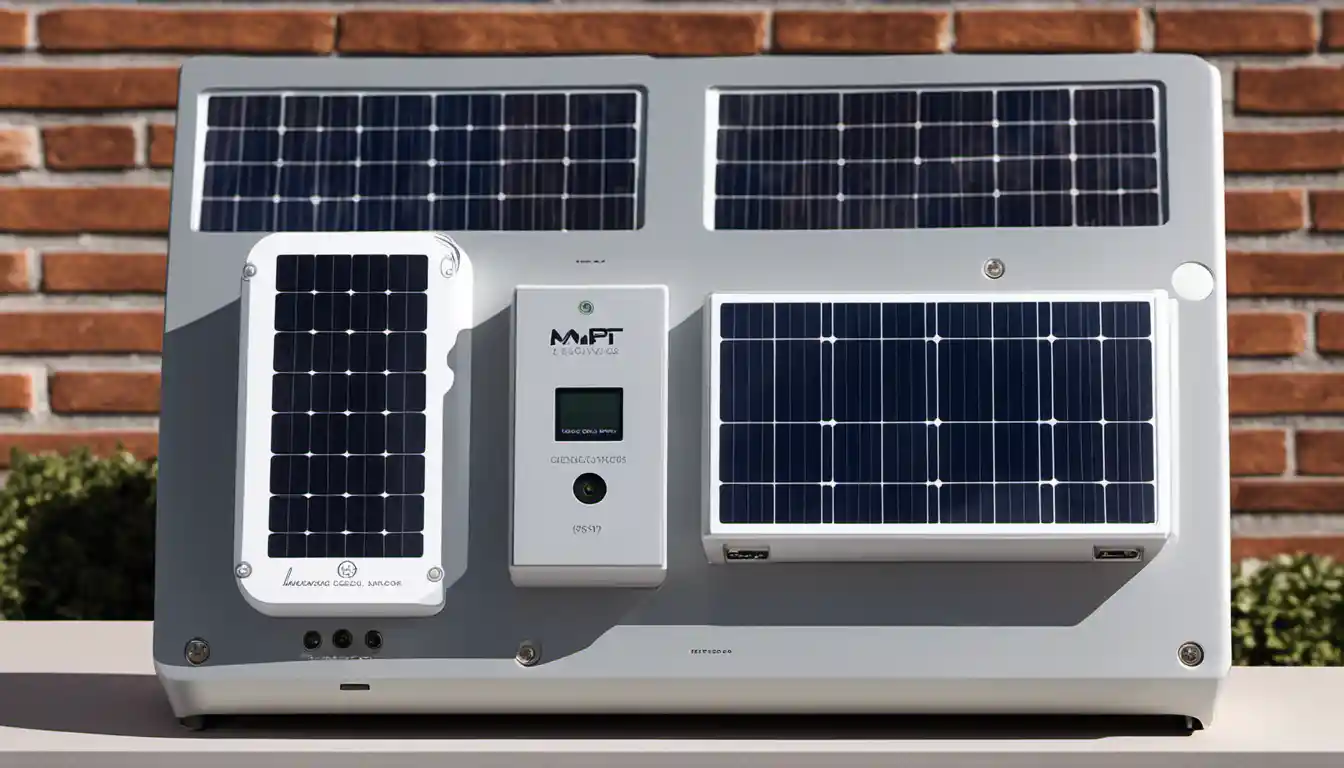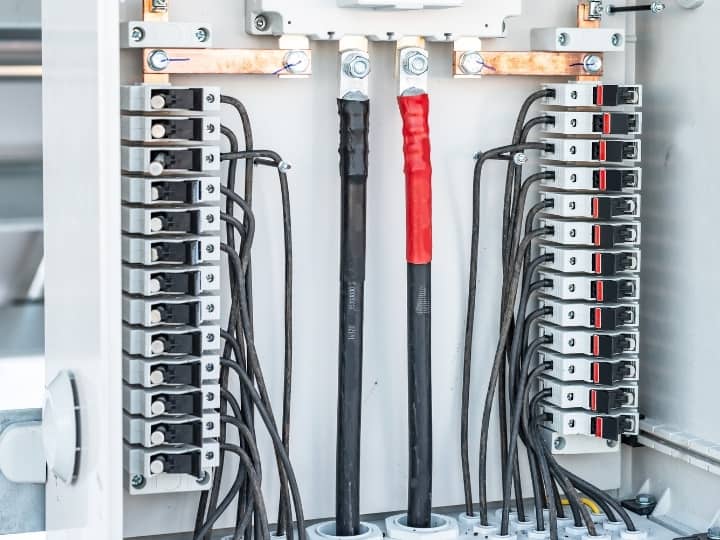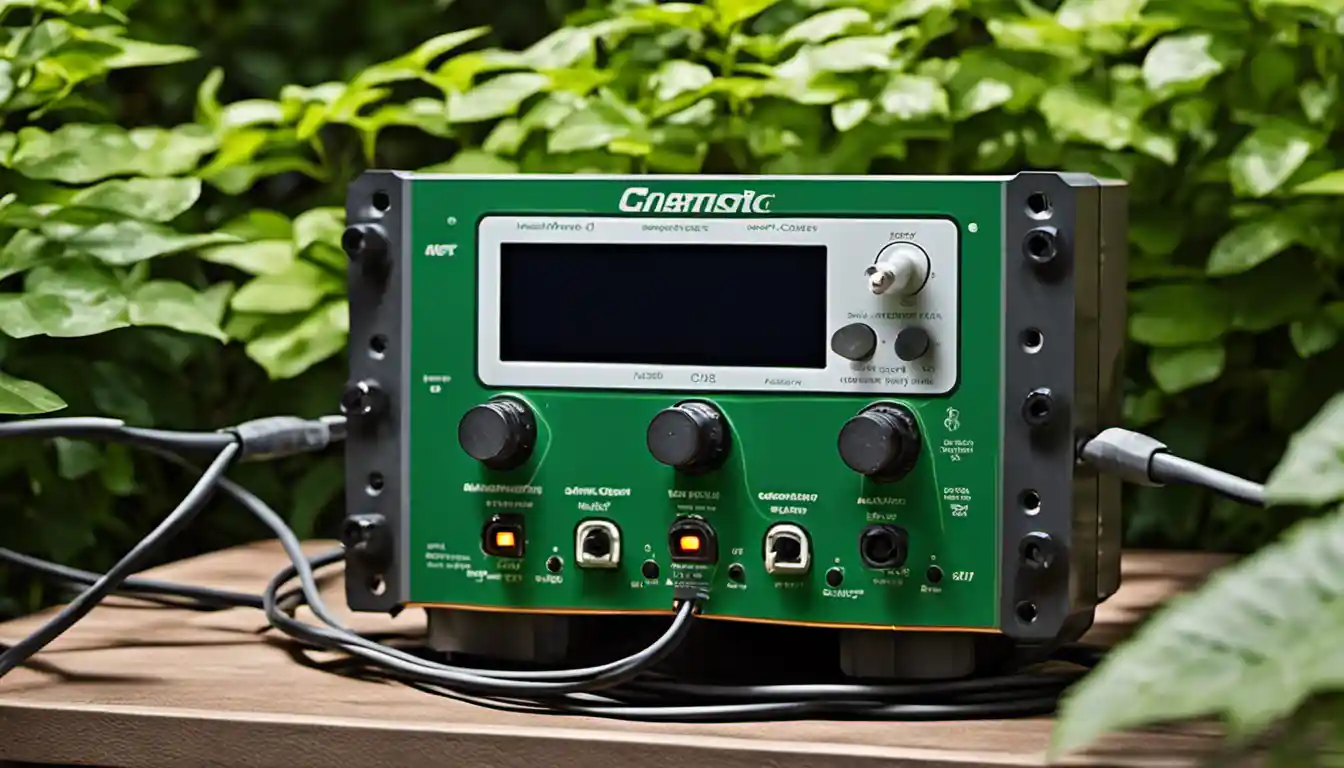
A solar charge controller regulates the electricity moving from solar panels to a battery. It helps manage charging voltage and current, protects the battery from unsuitable charging conditions, and connects the solar array, battery bank, and other system components into a controlled setup.
The right controller depends on panel voltage, array current, battery chemistry, system voltage, temperature, wiring, expansion plans, and the type of solar installation. This Solvoltaics category brings together practical guides, product reviews, comparisons, installation advice, and troubleshooting information to help you evaluate charge controllers with greater confidence.
Learn what a charge controller does, where it fits in a solar system, and how it works with panels, batteries, inverters, fuses, monitoring equipment, and electrical loads.
Choosing the correct size involves more than matching the controller to the panel’s advertised wattage. Our guides explain:
MPPT and PWM controllers use different methods to manage solar charging.
MPPT controllers can be useful when panel voltage is significantly higher than battery voltage or when system design benefits from tracking the panel’s maximum power point. PWM controllers may suit simpler or smaller systems when panel and battery voltages are appropriately matched.
The better option depends on the system’s design, climate, panel configuration, budget, and expected performance—not on the label alone.
Find practical guidance about connecting panels, batteries, loads, fuses, disconnects, grounding, cable sizing, polarity, configuration, and commissioning.
Always follow the controller manufacturer’s wiring sequence and installation instructions. Incorrect connections can damage equipment, cause fire, or create an electric-shock hazard.
Charge-controller problems may involve incorrect settings, low battery voltage, excessive panel voltage, loose connections, poor sunlight, overheating, incompatible batteries, or communication faults.
Our troubleshooting content can help you investigate:
Battery voltage: Controllers are designed for specific battery-bank voltages, such as 12 V, 24 V, or 48 V systems. The actual charging voltage varies according to battery chemistry and the controller’s settings.
Solar input voltage: The panel array’s open-circuit voltage must remain below the controller’s maximum input voltage, including potential temperature-related changes.
Charging current: The controller’s output-current rating must be sufficient for the expected charging current. A suitable safety margin can help account for conditions and system expansion, but follow the manufacturer’s instructions.
Battery compatibility: Lithium, AGM, gel, flooded lead-acid, and other battery types require different charging profiles. Use the correct preset or custom settings and confirm that the controller supports the battery’s required charging method.
Load terminals: Some controllers include load terminals for smaller DC devices. These terminals are not automatically suitable for large appliances, inverters, or high-current loads. Check the current rating and intended use.
Solar panels can produce electricity whenever they receive light, and batteries can deliver high current even when the panels are not generating. A controller installation should include suitable protection, correctly sized cables, secure connections, and appropriate isolation.
Use qualified professional assistance for fixed electrical systems, high-voltage arrays, unfamiliar battery banks, building wiring, grid-connected equipment, and installations subject to local certification requirements.
Possible causes include insufficient sunlight, incorrect wiring, reversed polarity, a low or damaged battery, incorrect settings, a blown fuse, excessive voltage drop, or an array that does not meet the controller’s startup requirements.
This may occur when the panel array exceeds the controller’s input limit or when the battery voltage is outside the expected range. Measure the system and compare it with the manufacturer’s limits.
Check the battery profile, voltage settings, temperature compensation, sensor connections, controller configuration, and battery condition. Do not continue operating a system that repeatedly exceeds the battery manufacturer’s limits.
Some warmth can be normal during operation, but excessive heat may result from high current, poor ventilation, direct sunlight, loose connections, an overloaded controller, or a fault. Follow the manufacturer’s temperature guidance.
MPPT controllers actively track a panel’s maximum power point and can convert higher panel voltage into useful charging current. PWM controllers regulate charging by connecting the panel to the battery in a simpler way. System voltage, panel configuration, climate, and budget determine which is appropriate.
A controller with a higher rating is not automatically a problem, but it still must be compatible with the system’s voltage, battery, wiring, configuration, and charging profile. Oversizing can add unnecessary cost.
This can be possible when the controllers, battery chemistry, voltage settings, wiring, protection, and charging behaviour are compatible. Follow the battery manufacturer’s requirements and use professional advice when uncertain.
Many controllers specify that the battery should be connected before the solar input so the controller can detect system voltage correctly. Follow the exact instructions for your model rather than relying on a general rule.
The purchase price is only one part of the cost. Compare:
A lower-priced controller may not provide the monitoring, battery support, protection, headroom, or technical assistance needed for your system.
Some Solvoltaics content may contain affiliate links, product samples, coupon codes, or other commercial relationships. If you click an affiliate link and complete a qualifying purchase, we may receive a commission at no additional cost to you.
Commercial relationships do not automatically determine our editorial recommendations. We aim to explain both strengths and limitations and to distinguish product claims from editorial analysis. See our Affiliate Disclosure for more information.
Use this category to learn how charge controllers work, compare MPPT and PWM designs, understand sizing requirements, and troubleshoot common issues. Start with the electrical details of your solar array and battery bank, then select equipment that provides the necessary voltage, current, compatibility, protection, and room for safe operation.