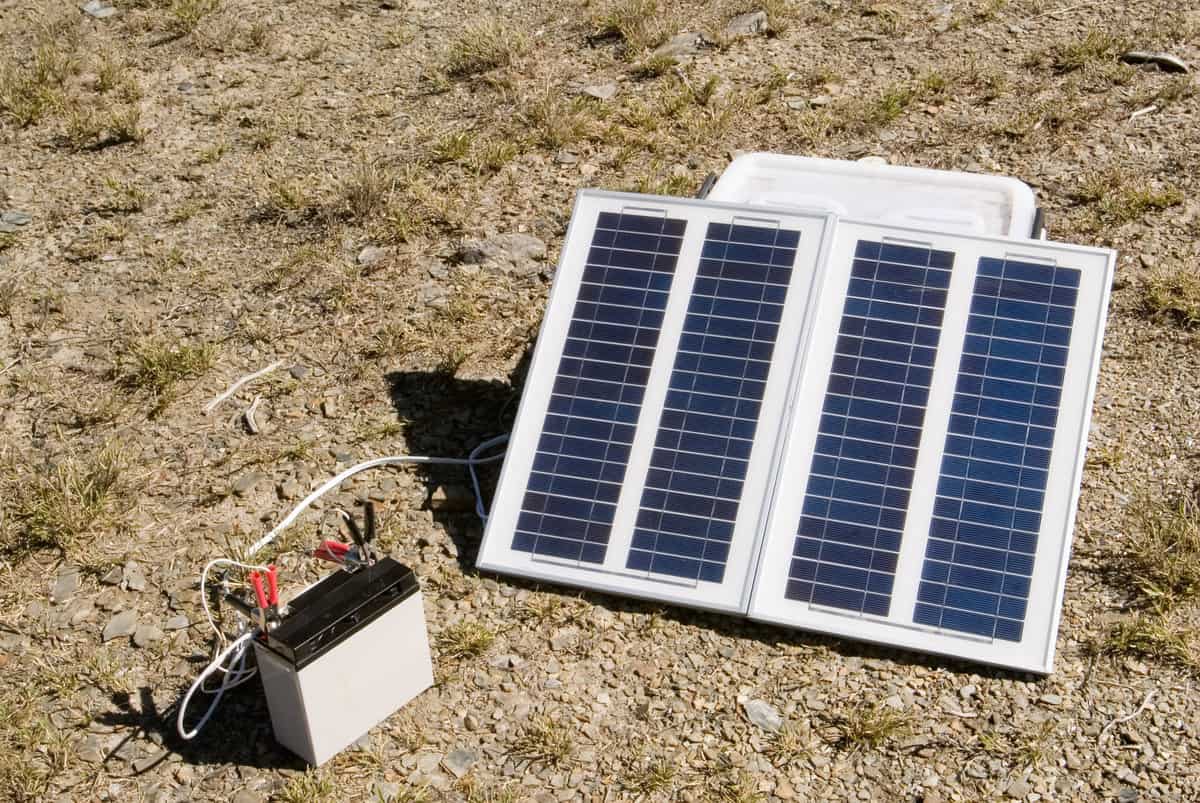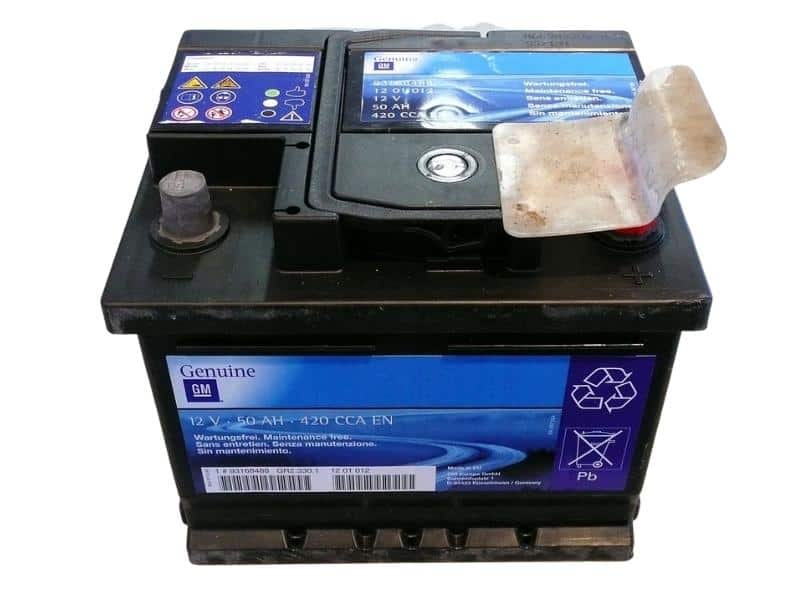
Solar batteries make it possible to store electricity for use when your solar panels are producing little or no power. They can support evening energy use, backup planning, off-grid systems, and better use of surplus solar generation but the right battery depends on more than its advertised capacity.
This Solvoltaics category brings together practical solar-battery guides, product reviews, comparisons, and troubleshooting advice. Explore how battery storage works, what the main specifications mean, and how to assess compatibility, safety, cost, and long-term value.
Start with clear explanations of how solar batteries charge, store, and release electricity. Learn how batteries work with solar panels, inverters, charge controllers, household loads, and the electrical grid.
Battery capacity should reflect your energy use, solar production, backup needs, and budget. Our guides explain usable capacity, depth of discharge, power ratings, energy consumption, inverter limits, and the difference between storing energy and delivering power.
Review articles examine battery features, chemistry, capacity, efficiency, warranty conditions, monitoring, installation requirements, expandability, and practical limitations.
Where relevant, we distinguish between hands-on testing, technical research, manufacturer specifications, retailer information, and reported user experience.
Compare battery technologies and products by:
A battery may provide backup power when paired with compatible equipment, but solar panels or a standard grid-tied inverter do not automatically keep a home running during an outage.
Learn about backup circuits, transfer equipment, inverter requirements, reserve capacity, essential loads, and the difference between whole-home and partial-home backup.
Off-grid systems depend on batteries when solar production falls. Guides in this category cover energy demand, battery banks, cloudy-weather reserves, inverter sizing, generator support, charging, monitoring, and system safety.
Find help understanding common battery and inverter issues, including:
A solar battery is part of a larger system. Before choosing one, consider:
A larger battery is not automatically a better investment. If there is not enough solar generation to charge it or enough evening demand to use it, extra capacity may add cost without providing proportional value.
Solvoltaics aims to provide useful, balanced information rather than simply repeat product marketing. Our articles consider both the benefits and limitations of battery storage and explain who a product or system may suit.
We aim to:
Product prices, availability, specifications, warranties, regulations, and energy tariffs can change. Confirm current information with the manufacturer, retailer, installer, utility, or relevant authority before making a purchase or installation decision.
A solar battery stores electricity generated by solar panels so it can be used later. A complete system may also require an inverter, battery-management system, protection equipment, monitoring, and professional installation.
It can supply connected loads if it has enough usable capacity and power output. The actual runtime depends on the battery, household demand, inverter losses, and the appliances being used.
Only a system designed for backup can do so safely. It may require a compatible inverter, transfer equipment, backup circuits, and appropriate installation. Standard grid-tied solar systems may shut down when the grid fails.
Sizing depends on evening energy use, backup requirements, solar production, peak loads, battery limits, inverter capacity, and budget. Start with measured energy consumption rather than choosing capacity based only on panel wattage.
Maintenance varies by product. Even systems marketed as low-maintenance should be monitored and kept within the manufacturer’s temperature, clearance, and operating requirements.
Browse the articles in this category to understand battery storage, compare products, plan backup power, and troubleshoot common issues. Begin with your energy needs and system requirements, then use the available guides to evaluate capacity, power, compatibility, safety, warranty, and long-term value.