Solar technology raises practical questions at every stage from choosing a panel or battery to wiring a charge controller, reading an inverter display, or understanding what happens during a power outage.
The Solvoltaics FAQ brings together concise answers to common questions about solar equipment, installation, maintenance, performance, safety, and troubleshooting. Use these answers as a starting point, then consult the manufacturer, utility, installer, or a qualified professional when your situation requires specific technical advice.
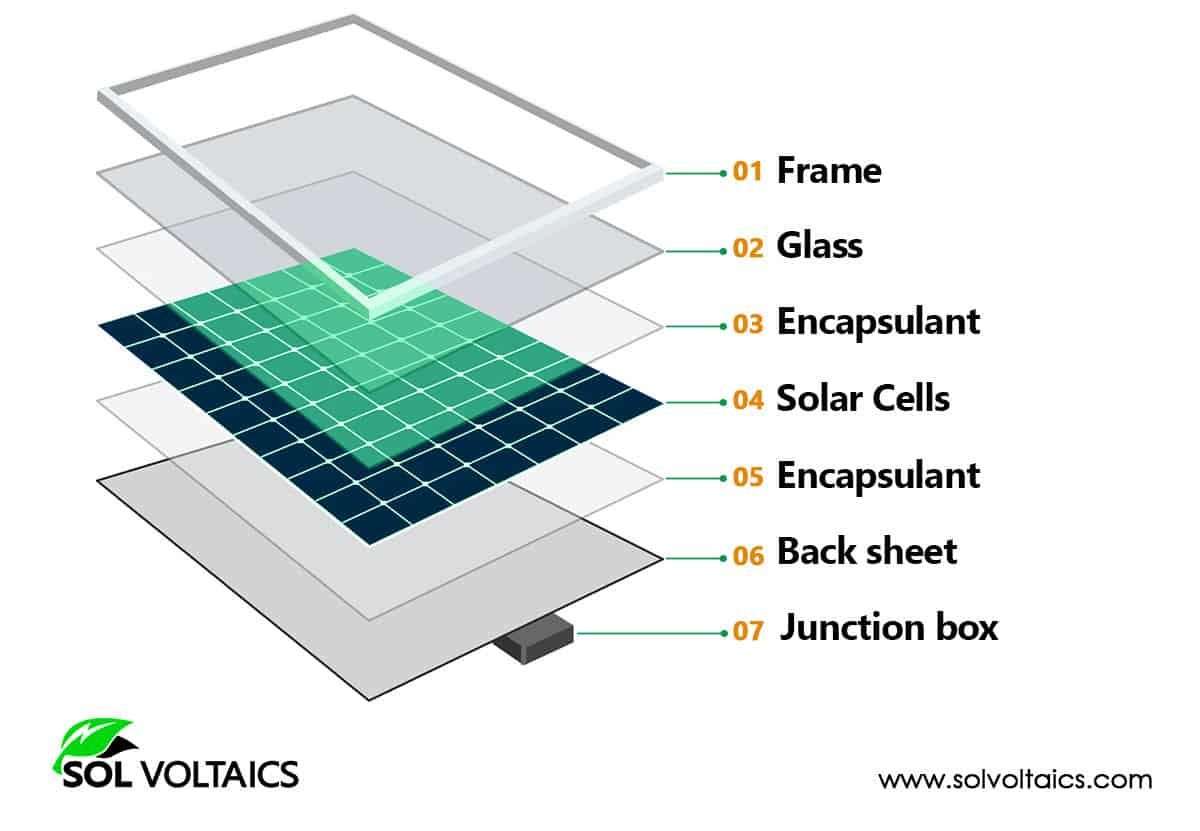
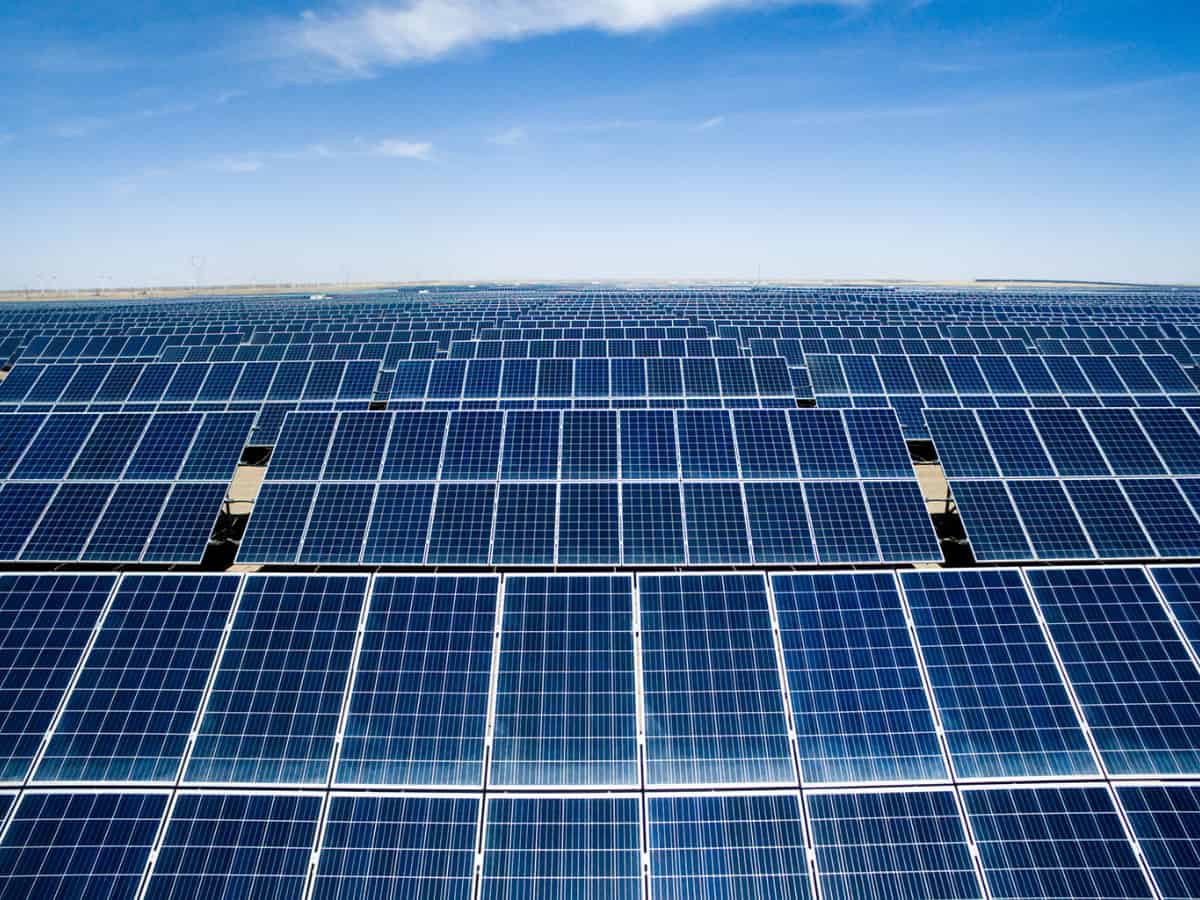
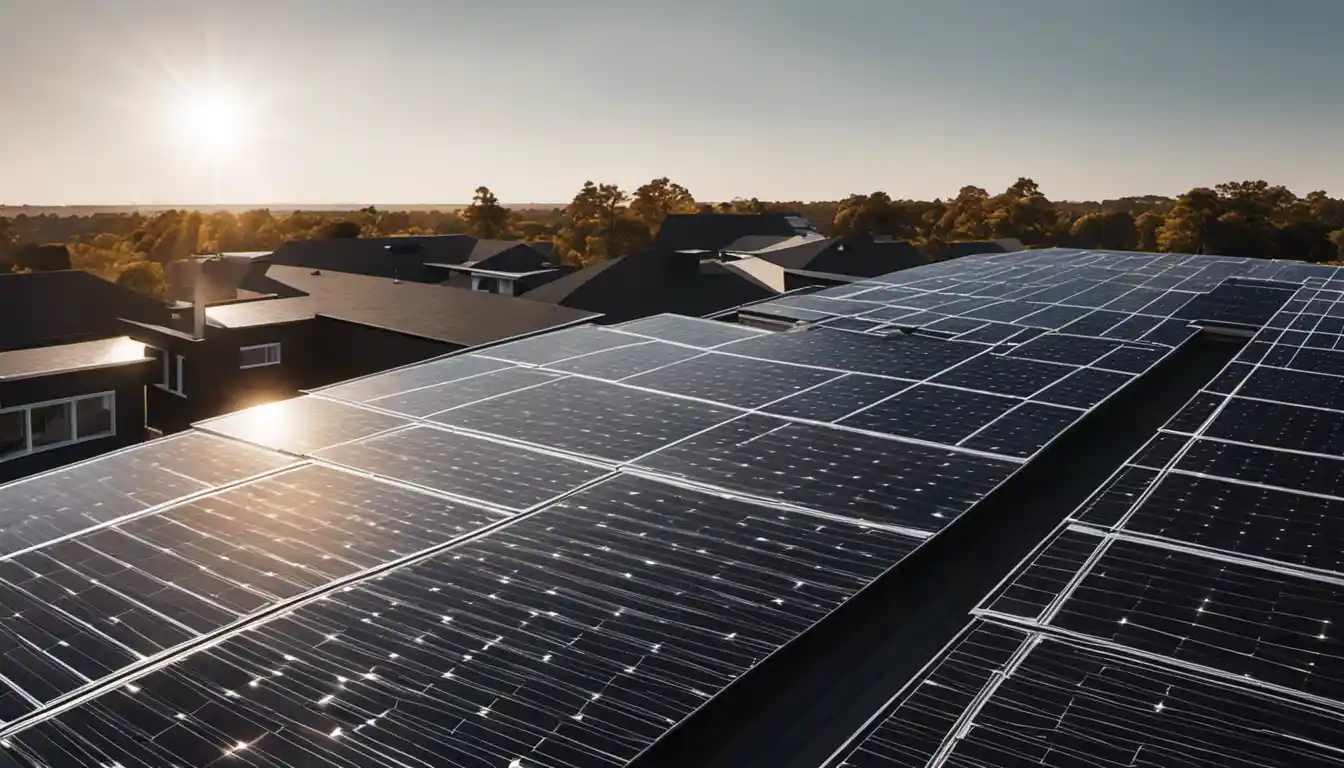
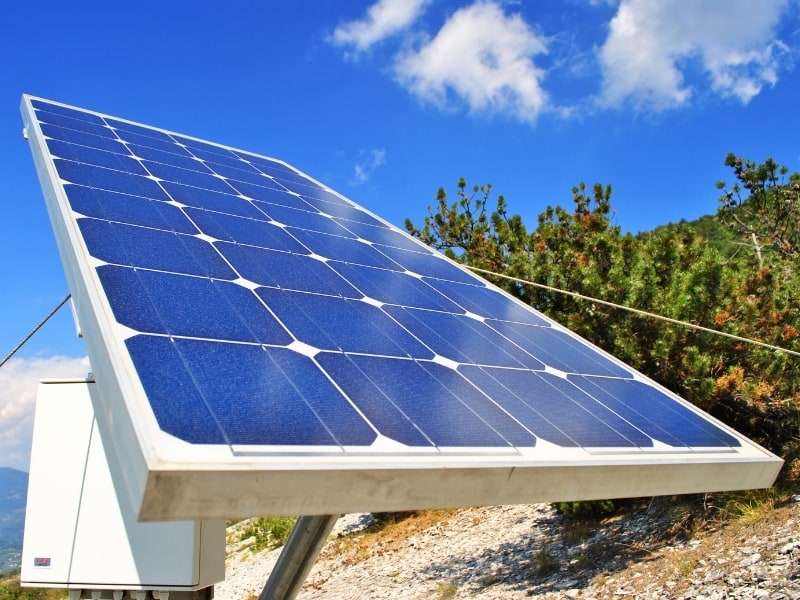
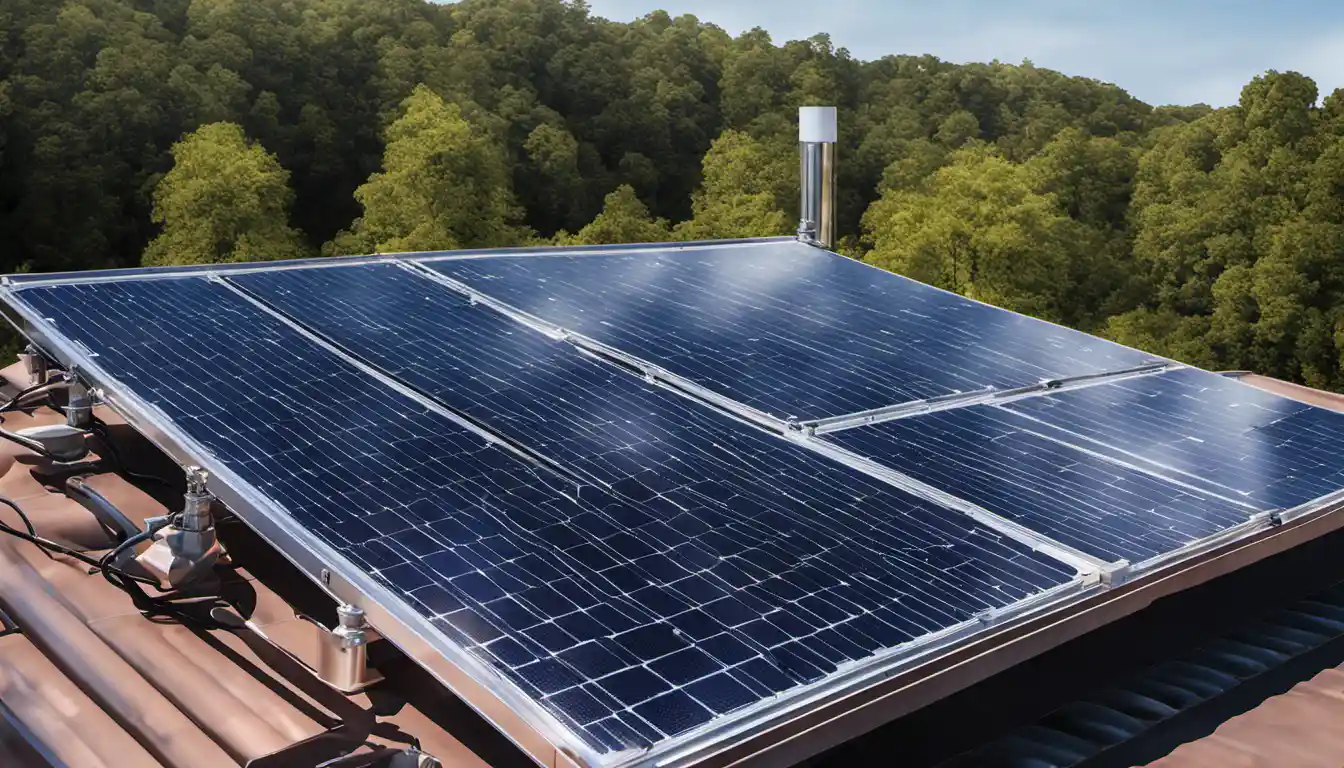
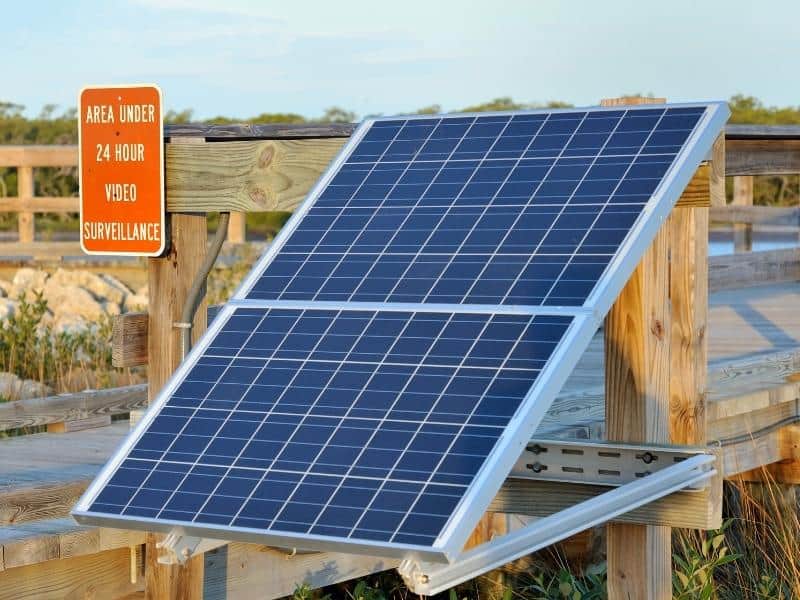
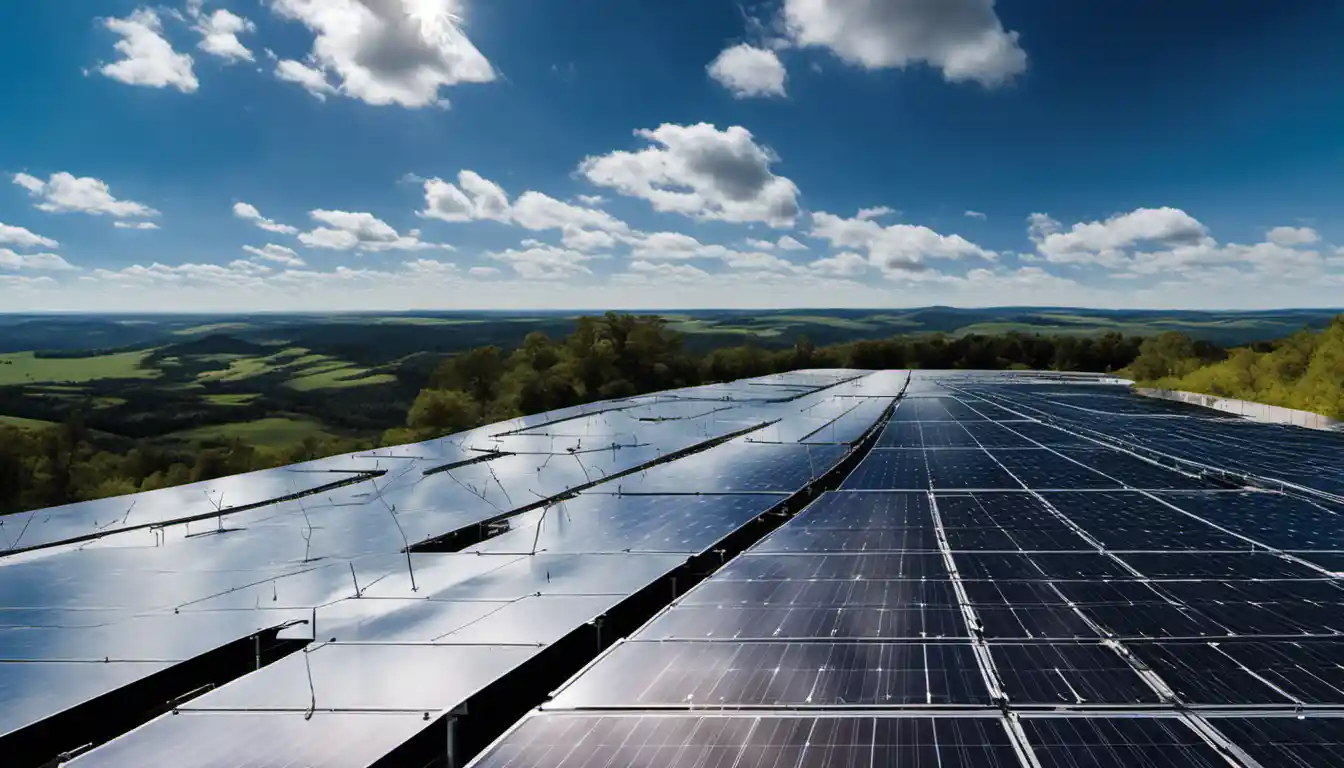
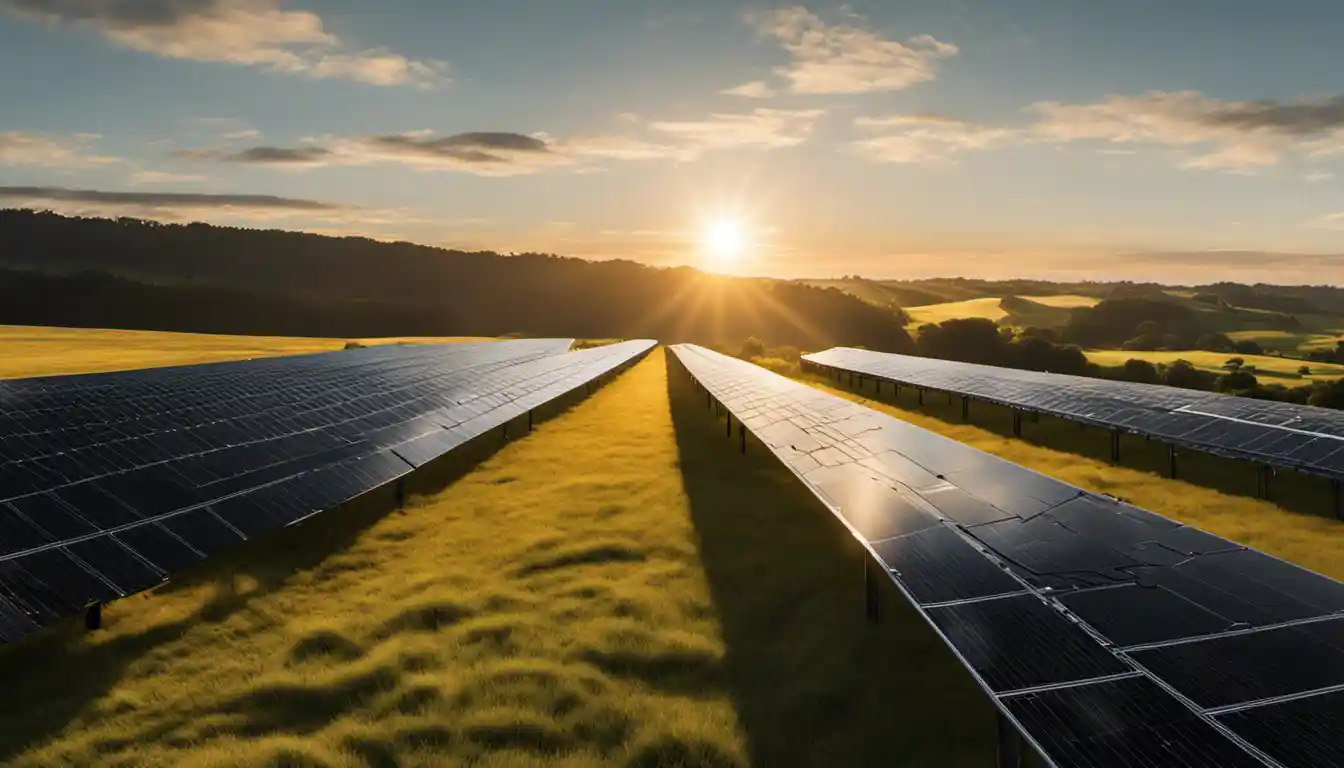
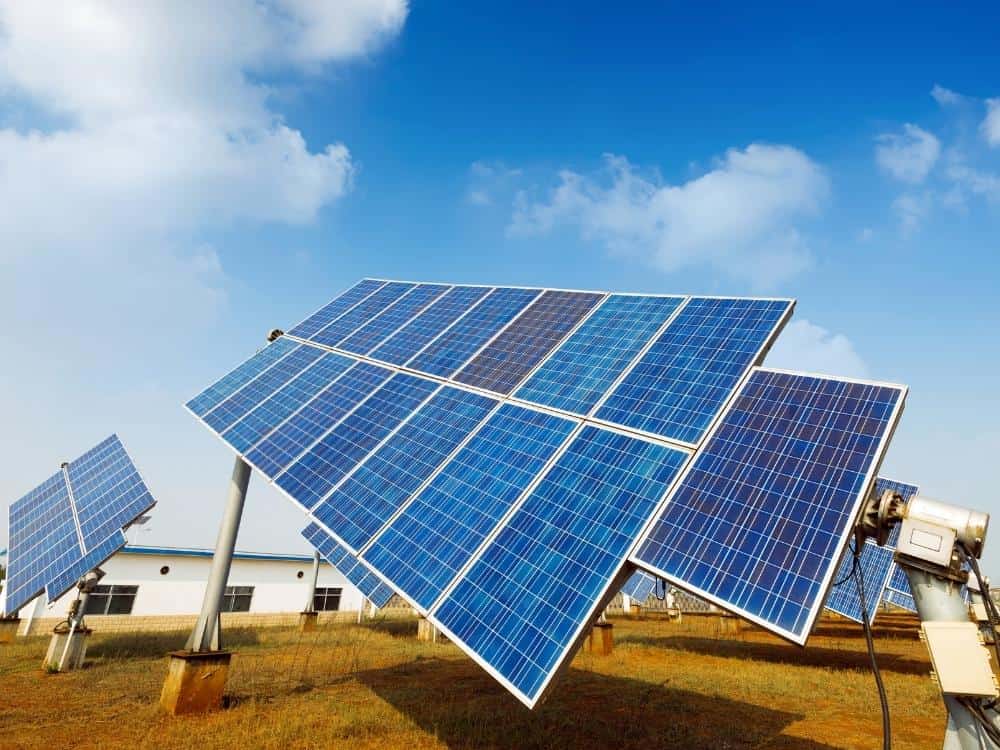
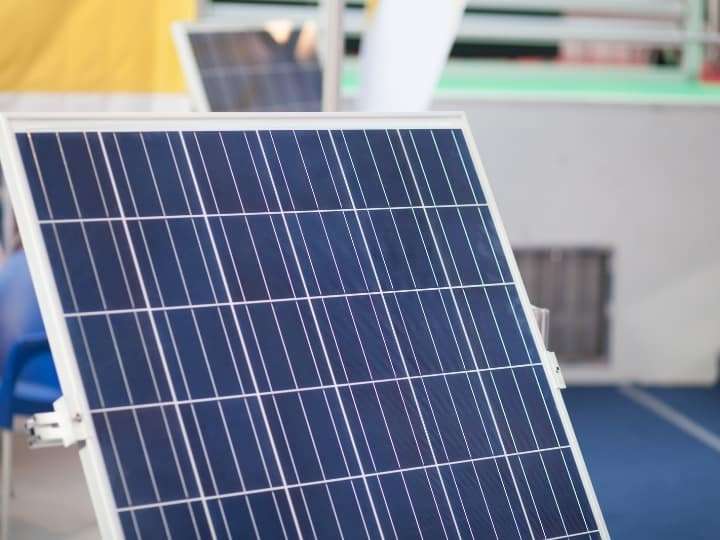
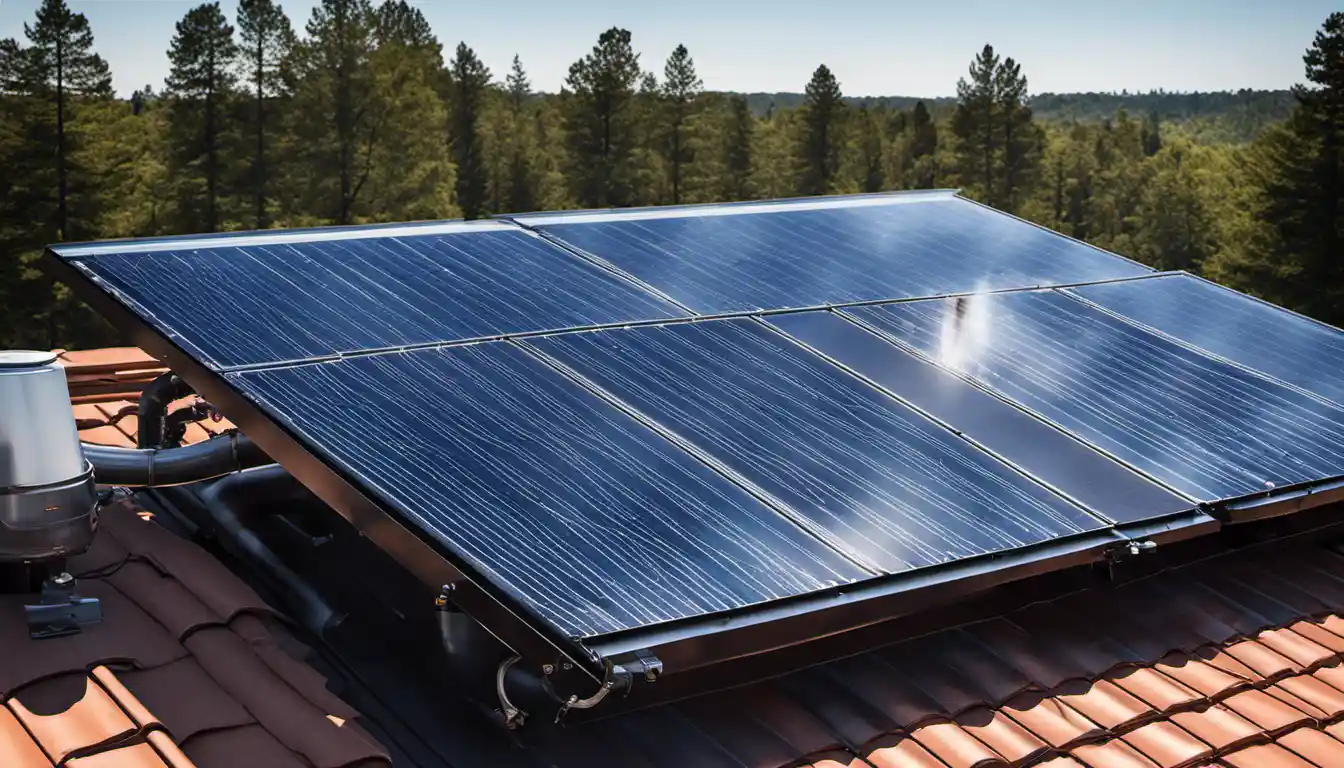
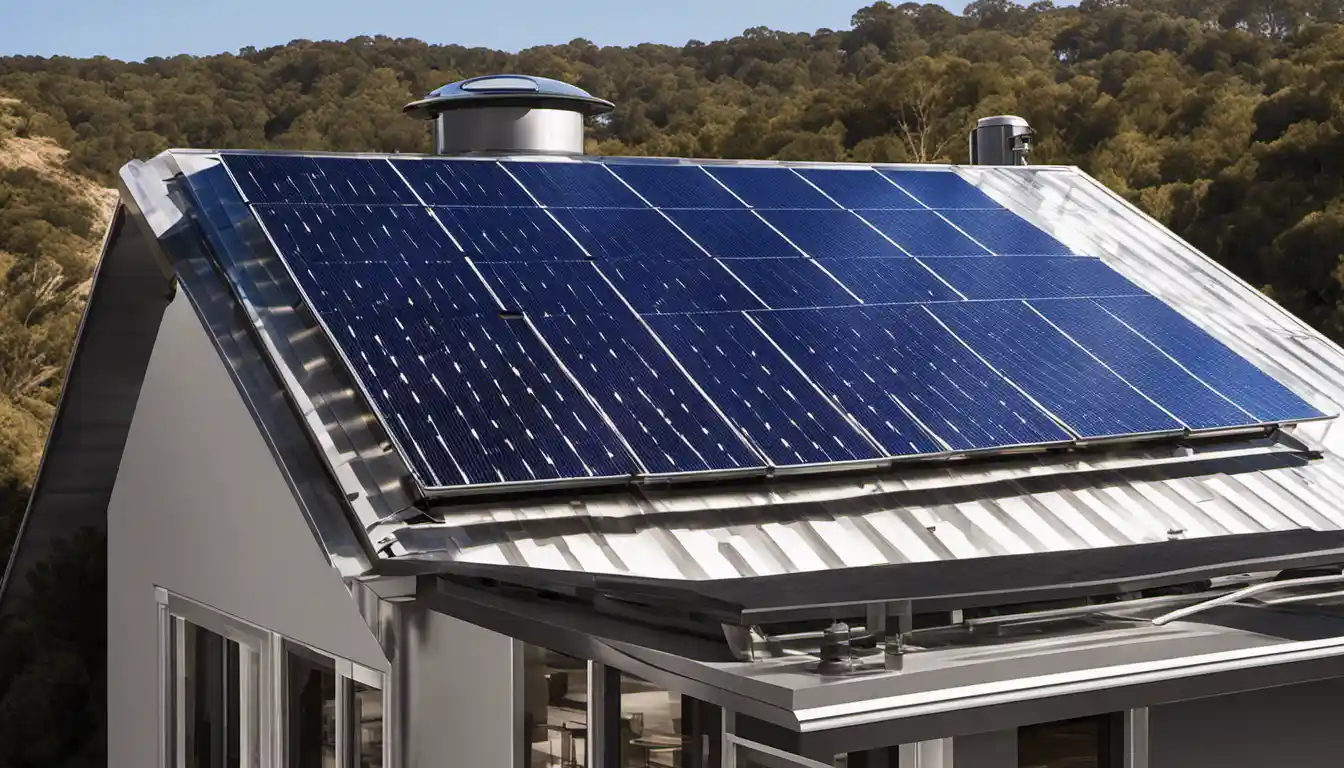
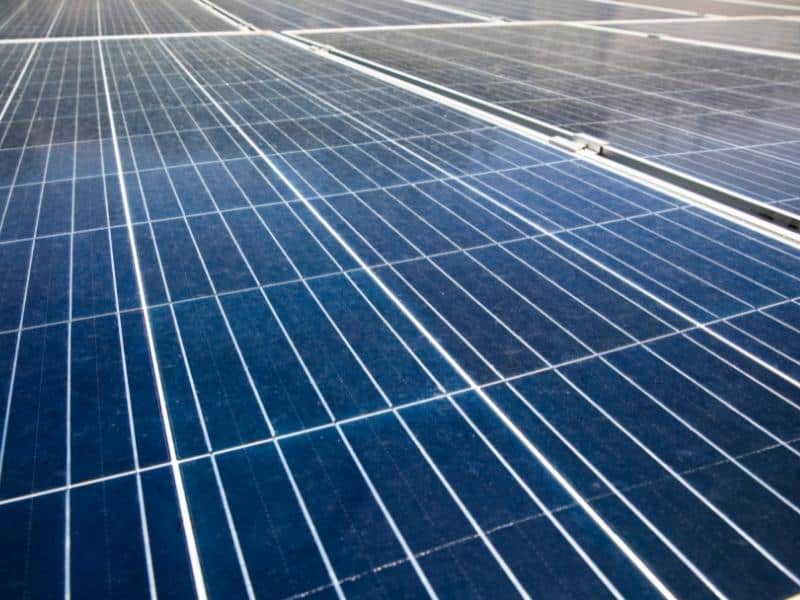
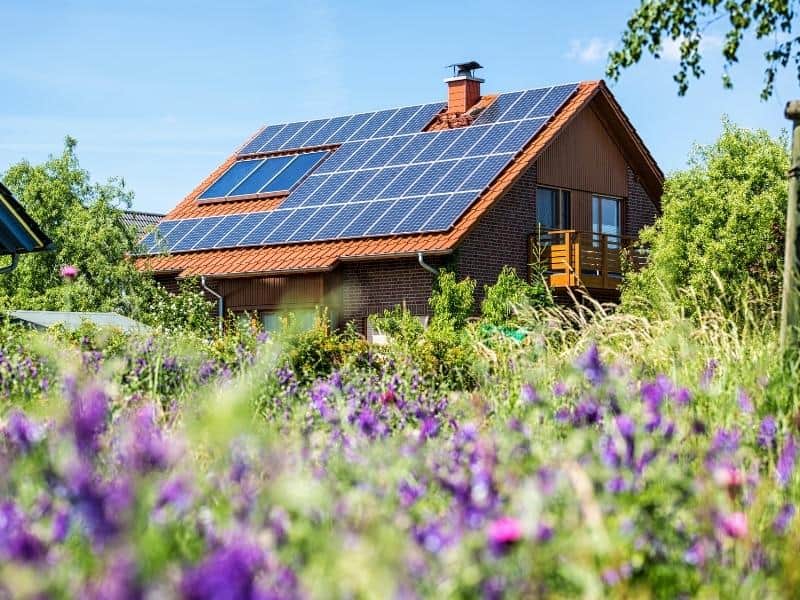
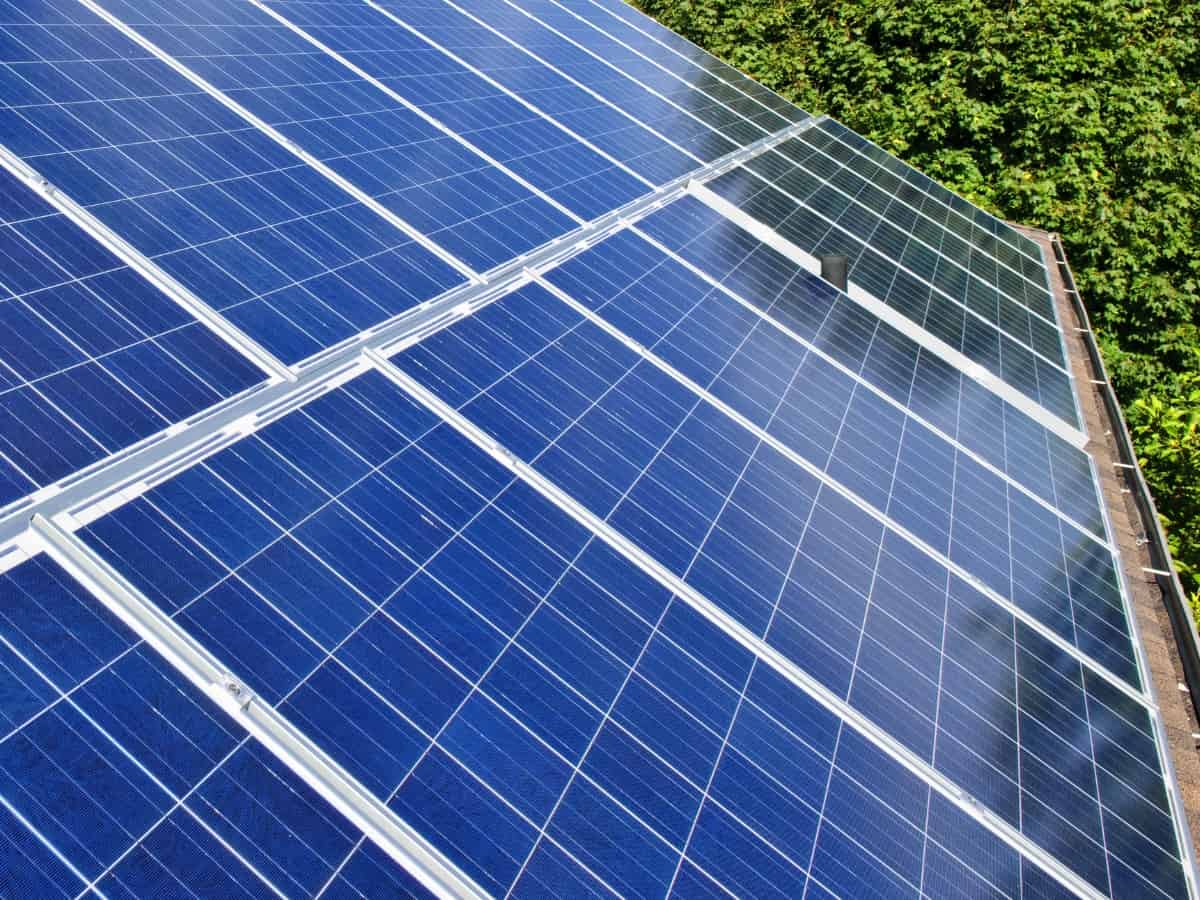
Solar panels use photovoltaic cells to convert light into direct-current electricity. An inverter usually converts that electricity into alternating current for household appliances or grid use.
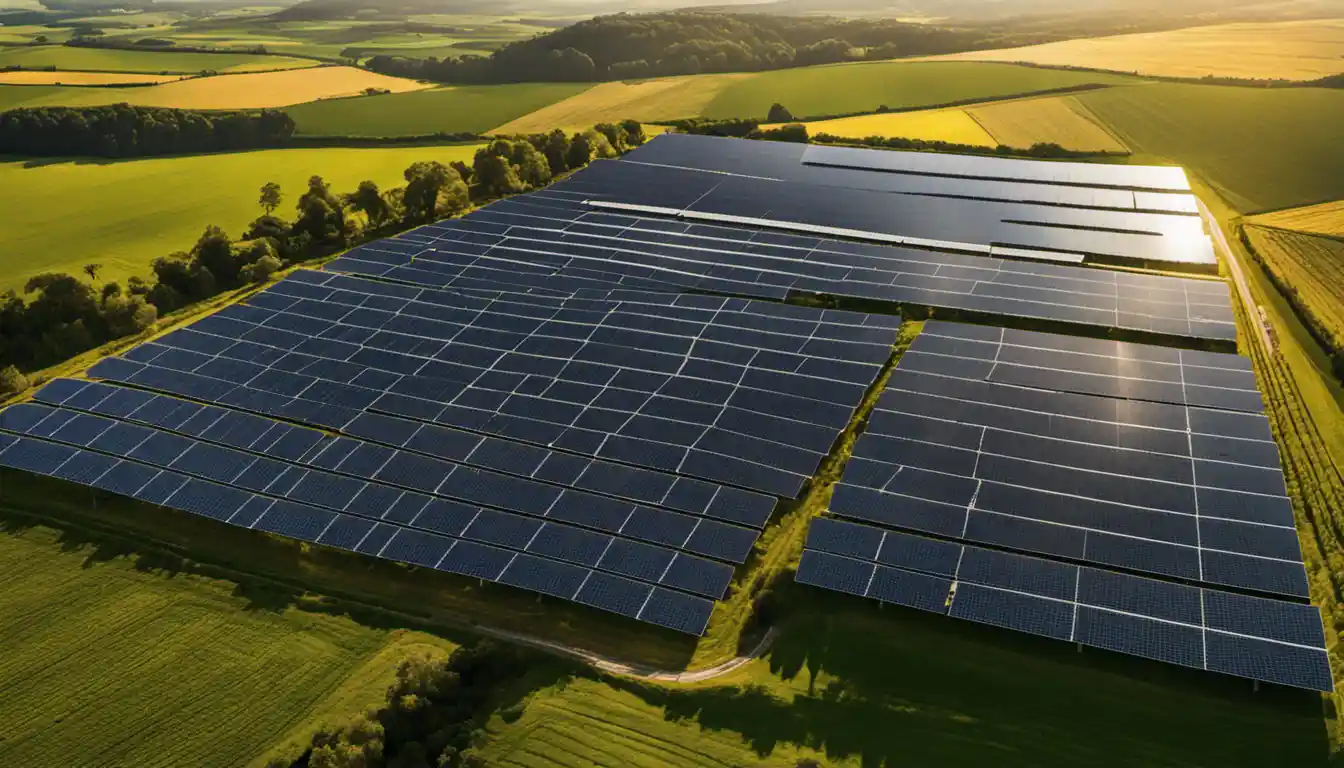
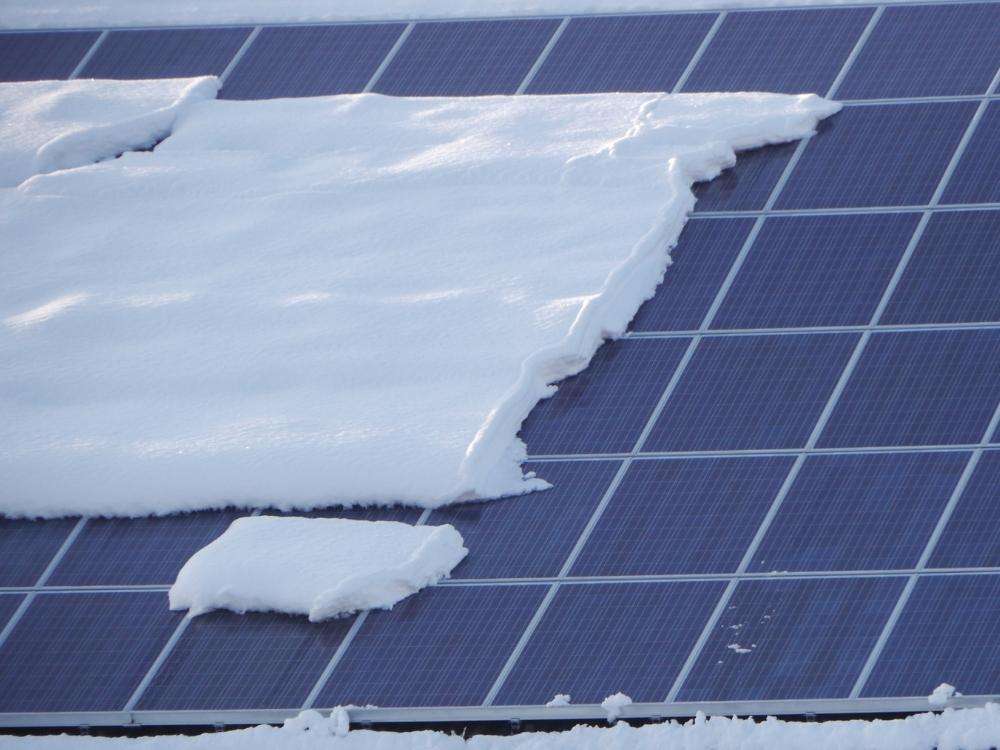
The amount of electricity produced depends on panel capacity, sunlight, shading, temperature, orientation, tilt, system losses, and equipment condition.
Solar-panel service life varies by construction, environment, installation quality, degradation, and maintenance. Review the manufacturer’s performance warranty and product warranty rather than relying on a single general lifespan figure.
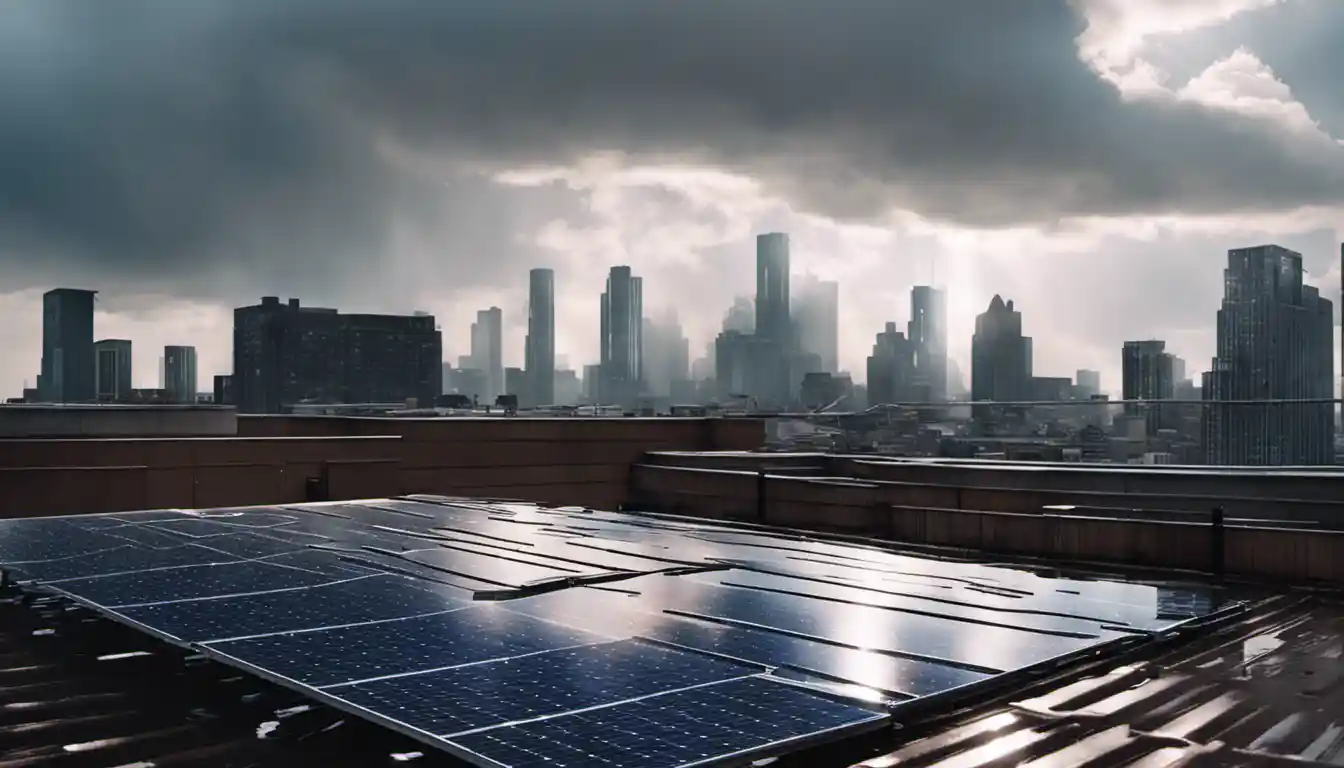
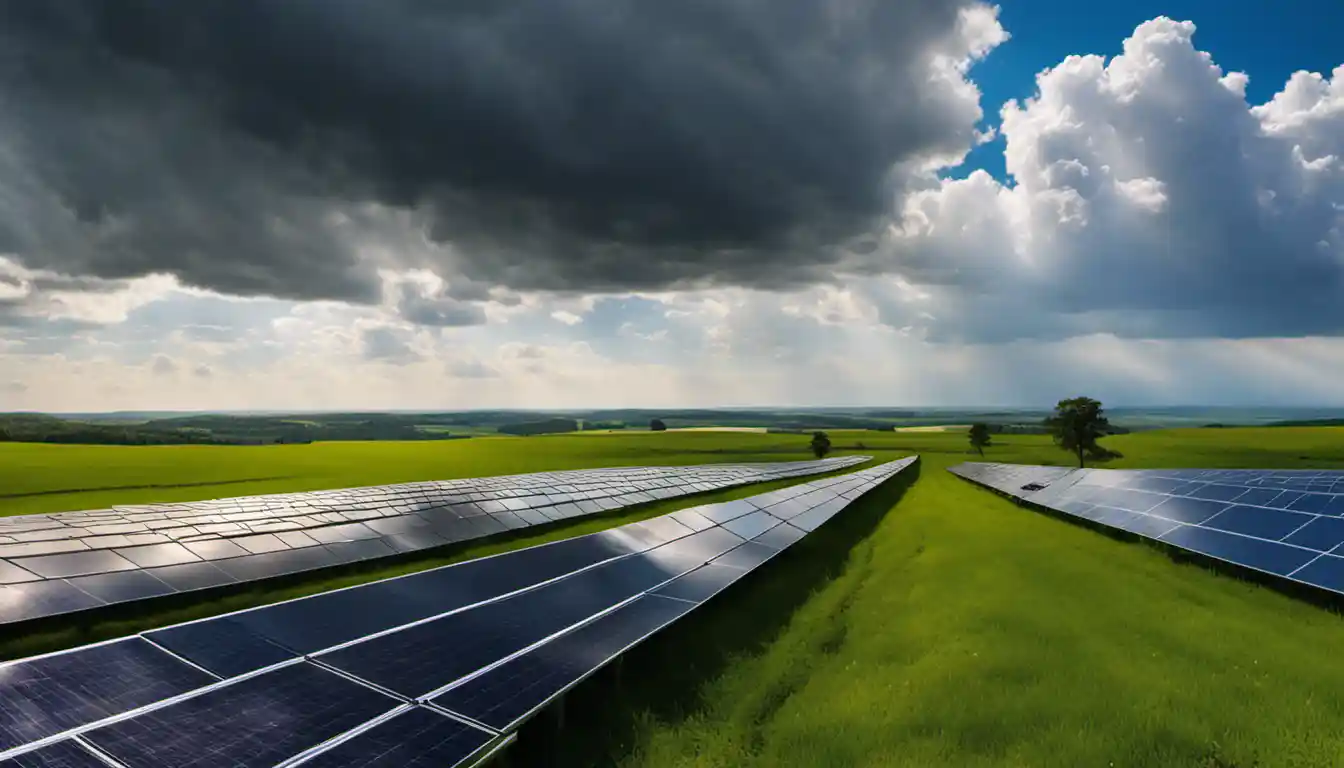
Solar panels can produce electricity in cloudy conditions, but output is usually lower than under strong direct sunlight. The result depends on cloud cover, panel technology, shading, temperature, and system design.
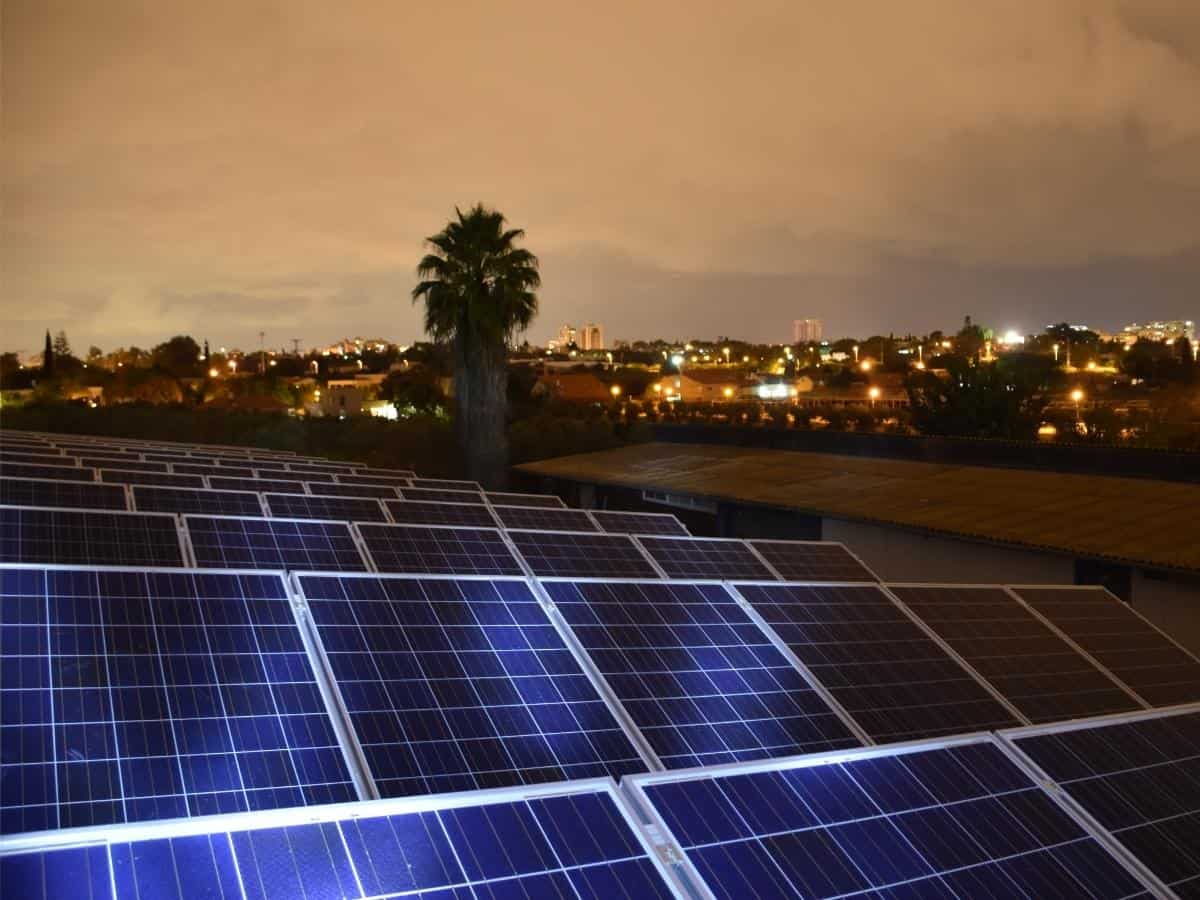
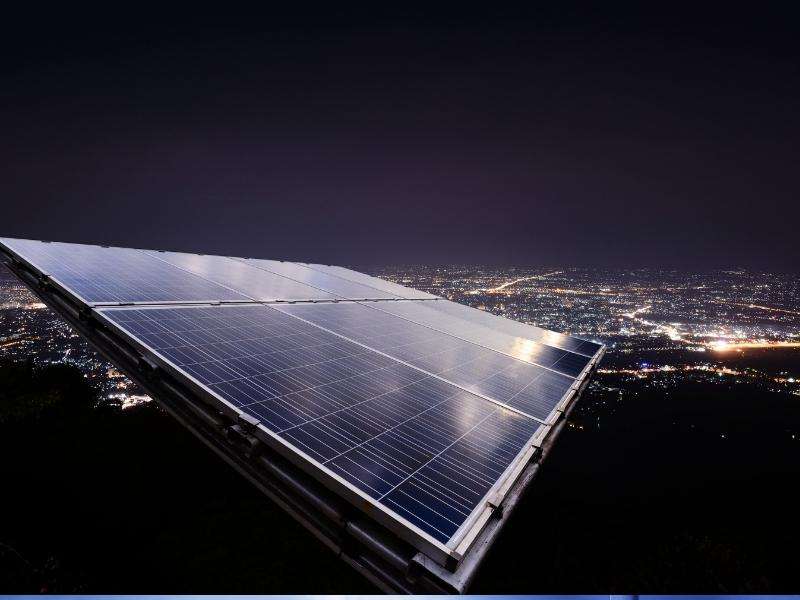
Photovoltaic panels need light to generate electricity and do not normally produce useful power at night. A battery or grid connection can supply energy after sunset.
Production depends on the panel’s rated power and the conditions in which it operates. A useful estimate should account for peak sunlight hours, temperature, shading, orientation, inverter losses, wiring, and seasonal variation.
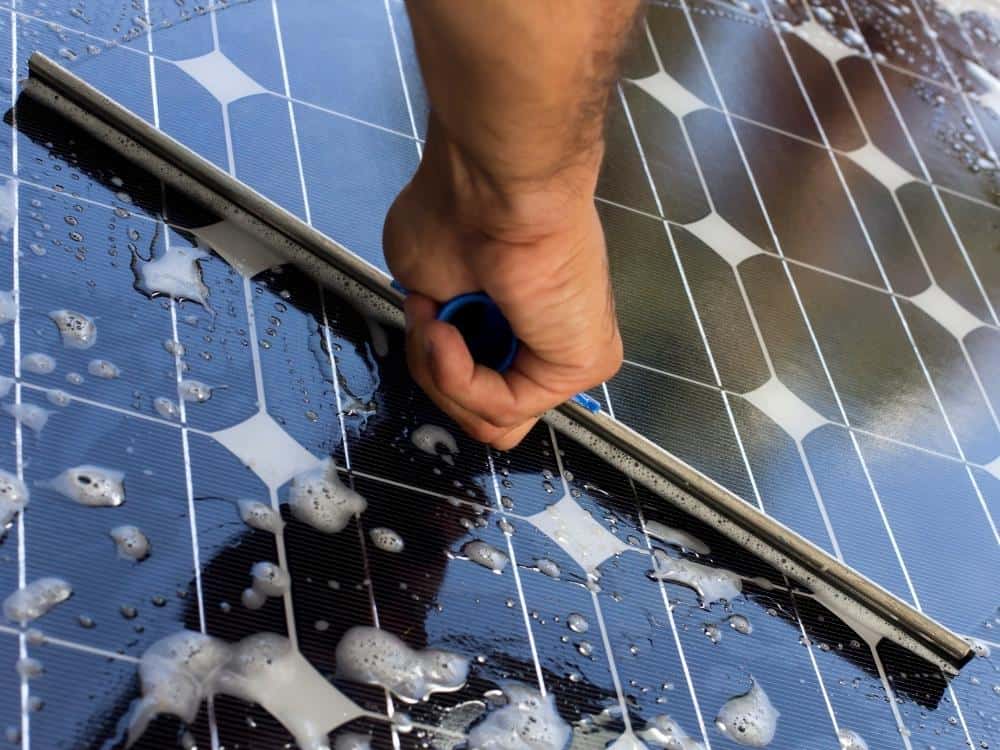
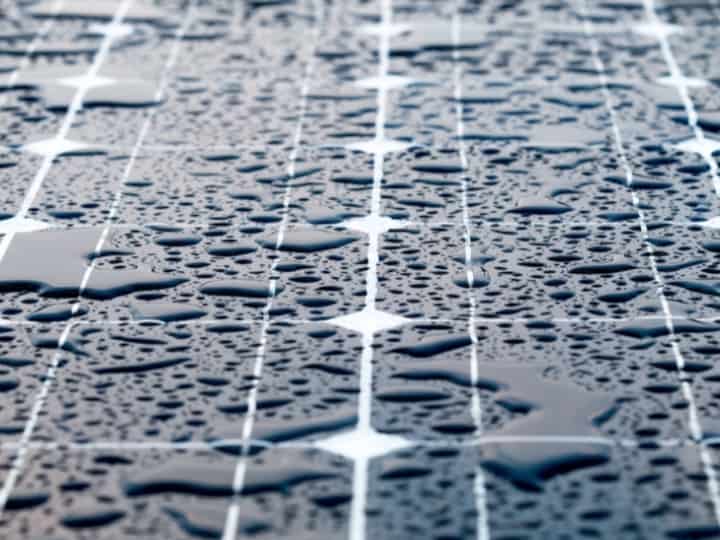
They may need cleaning when dust, pollen, bird droppings, leaves, pollution, or other deposits reduce the light reaching the cells. Cleaning frequency depends on local conditions, panel angle, rainfall, and the type of debris.
A solar battery stores electricity for later use. It may help supply evening loads, support backup circuits, or increase the use of surplus solar generation.
Capacity, power output, usable depth of discharge, efficiency, battery chemistry, temperature, and inverter compatibility all affect performance.
Yes, when the system includes a compatible charge controller, hybrid inverter, or approved charging equipment. The panel voltage, battery voltage, current, chemistry, wiring, and protection must be correctly matched.
Start with measured energy use and identify when electricity is consumed. Then consider desired backup duration, peak loads, solar generation, battery limits, inverter capacity, reserve requirements, and budget.
A bigger battery is not automatically better if it cannot be charged regularly or is rarely used.
Only if the system is designed for backup operation. Suitable inverter and transfer equipment may be required, and many systems supply only selected circuits rather than the entire property.
A standard grid-tied solar system may shut down when the grid fails.
Service life depends on chemistry, temperature, cycling, charging and discharging patterns, installation, maintenance, and operating limits. Compare the warranty’s retained-capacity and usage conditions with the expected system design.
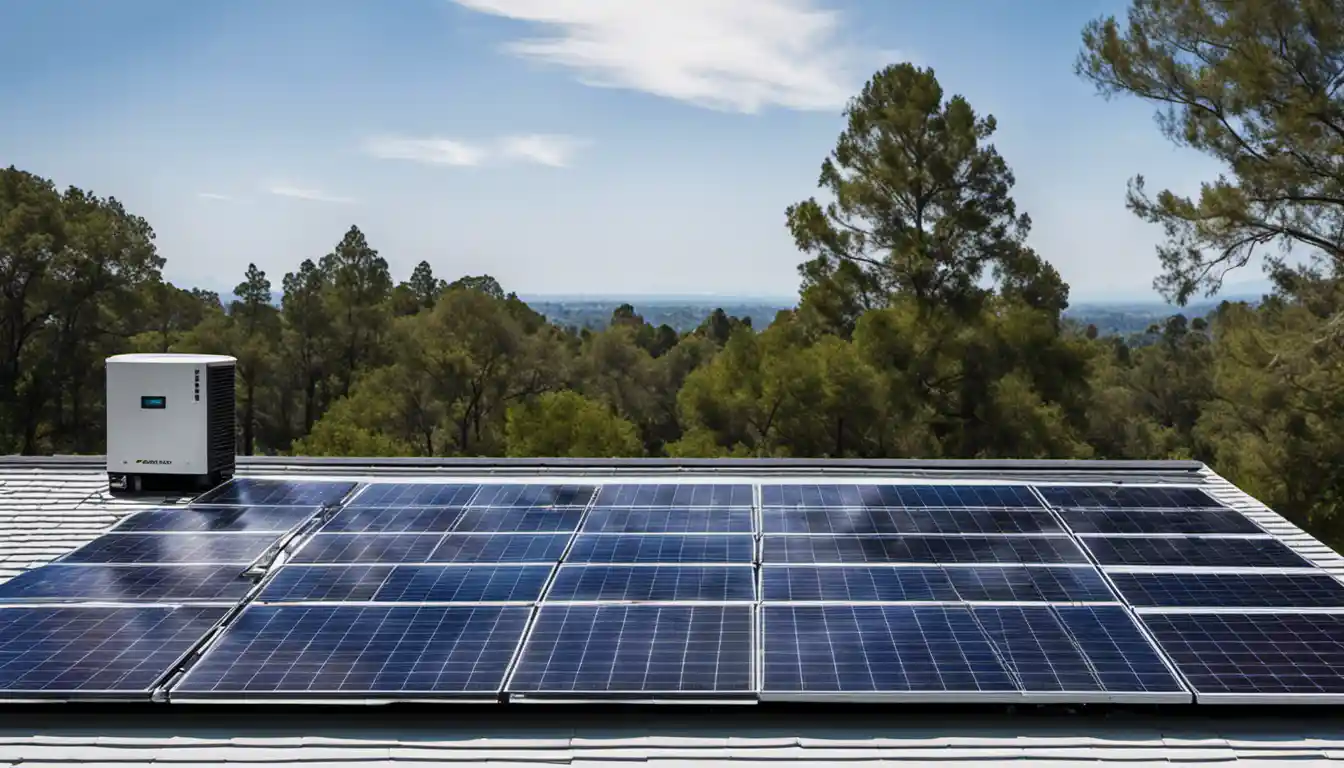
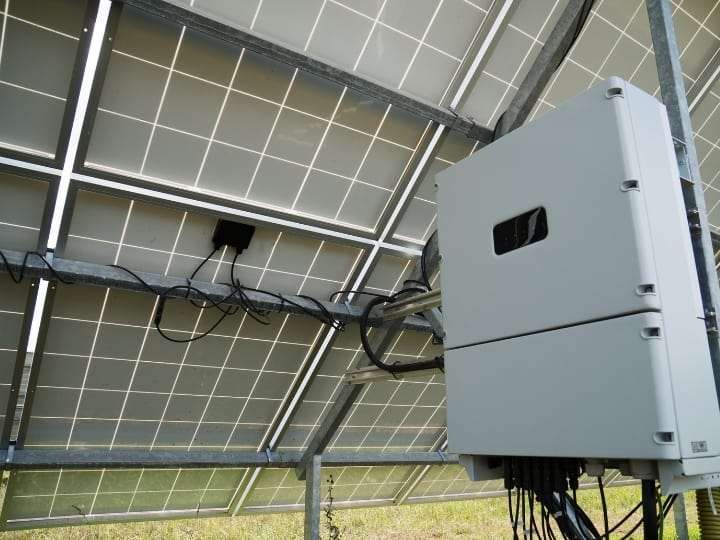
An inverter converts direct-current electricity from solar panels or batteries into alternating-current electricity used by many household appliances and grid systems.
Hybrid and off-grid inverters may also manage batteries, loads, backup power, and other energy sources.
Inverters produce heat during operation. Some warmth can be normal, but excessive temperature may indicate high load, poor ventilation, direct sunlight, dust, a loose connection, or a fault.
Follow the manufacturer’s clearance, ventilation, and temperature requirements.
Lifespan varies by model, workload, environment, ventilation, installation quality, maintenance, and electronics. Warranty terms and monitoring data can help indicate expected support and replacement considerations.
Some inverters can operate without a battery, while others require one or have limited functionality without storage. Check the exact model’s input requirements, operating modes, and manufacturer documentation.
Beeping may indicate a status change, low battery, overload, heat, grid issue, charging condition, or fault. Check the display, indicator lights, error code, and manual before attempting any intervention.
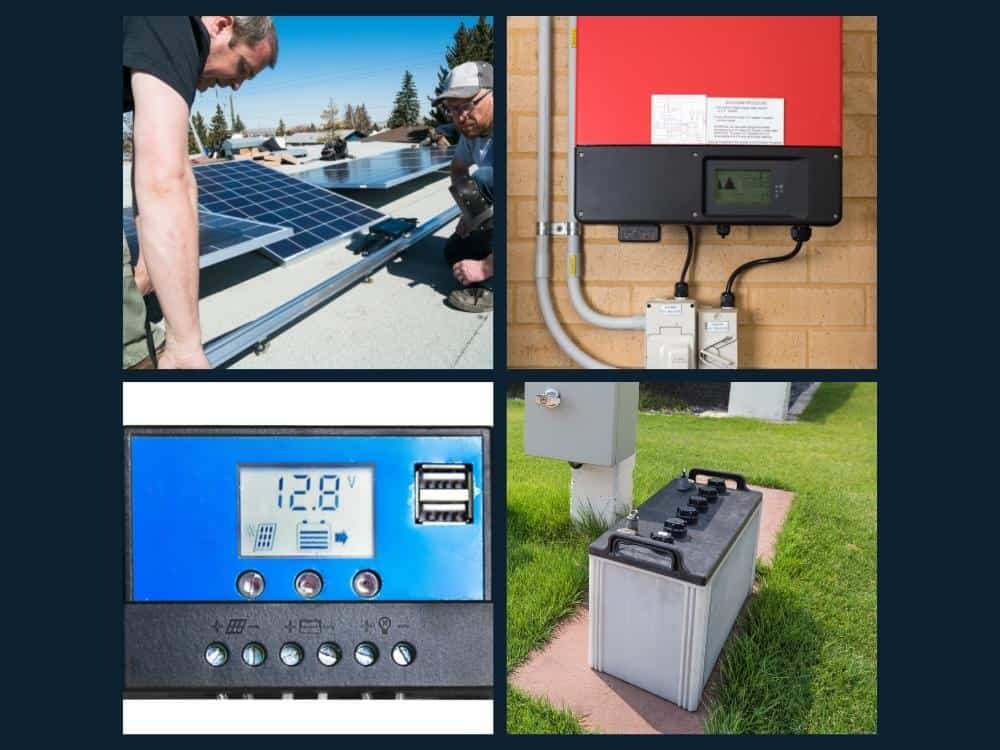
A charge controller regulates electricity from solar panels to a battery. It helps manage charging voltage and current and may provide protections, monitoring, and load control.
Sizing depends on panel voltage, array current, total wattage, battery-bank voltage, temperature, wiring, battery chemistry, and planned expansion.
Check both the controller’s maximum solar input voltage and its charging-current rating.
MPPT controllers track the panel’s maximum power point and can convert higher panel voltage into charging current. PWM controllers use a simpler regulation method and may suit smaller or appropriately matched systems.
The correct choice depends on the panel arrangement, battery voltage, climate, system size, and budget.
It may be possible when the controllers use compatible voltage and battery settings and the wiring and protection are correctly designed. Follow the battery manufacturer’s requirements and controller documentation.
Small portable systems may be suitable for knowledgeable DIY users, but fixed systems can involve roof work, structural loading, electrical hazards, batteries, permits, and grid requirements.
Use a qualified professional for work beyond your training, especially high-voltage wiring, roof installation, battery systems, and grid connections.
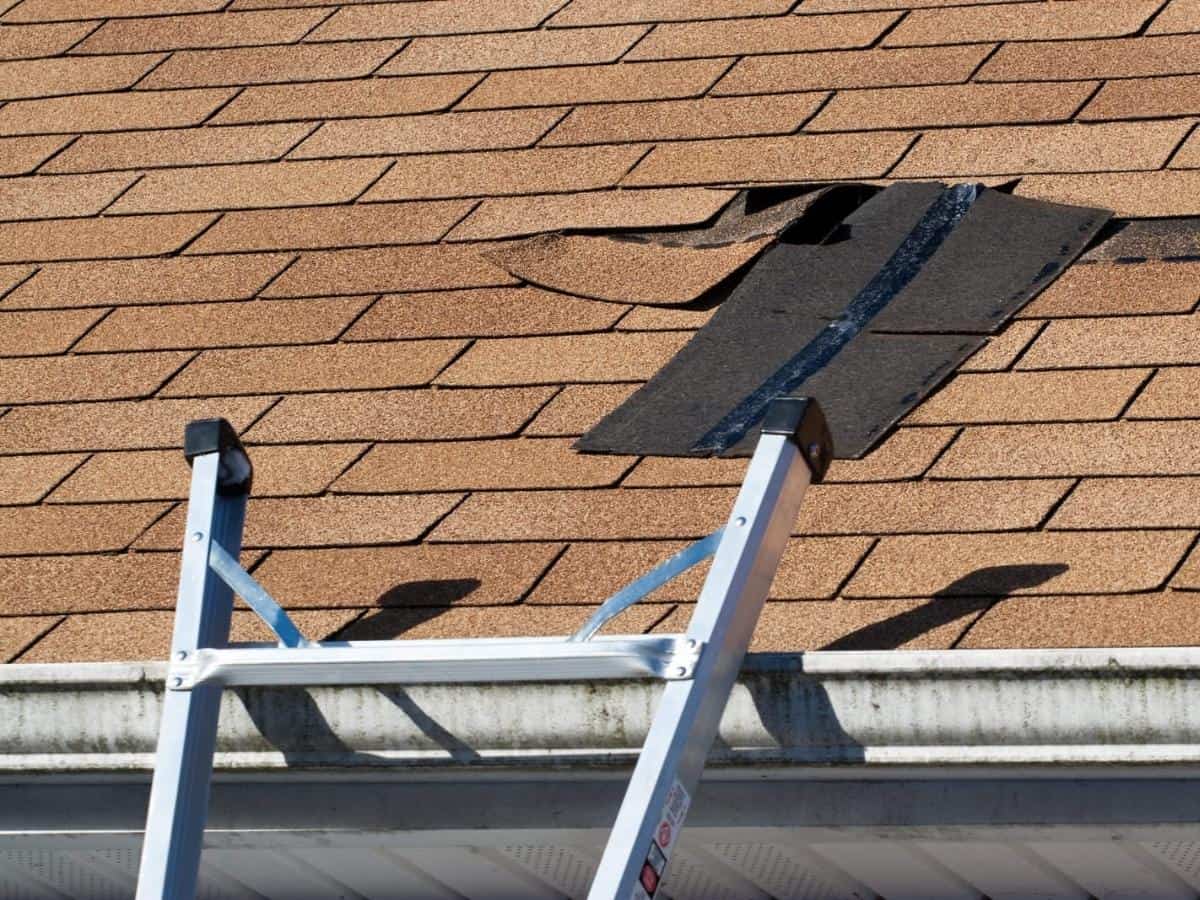
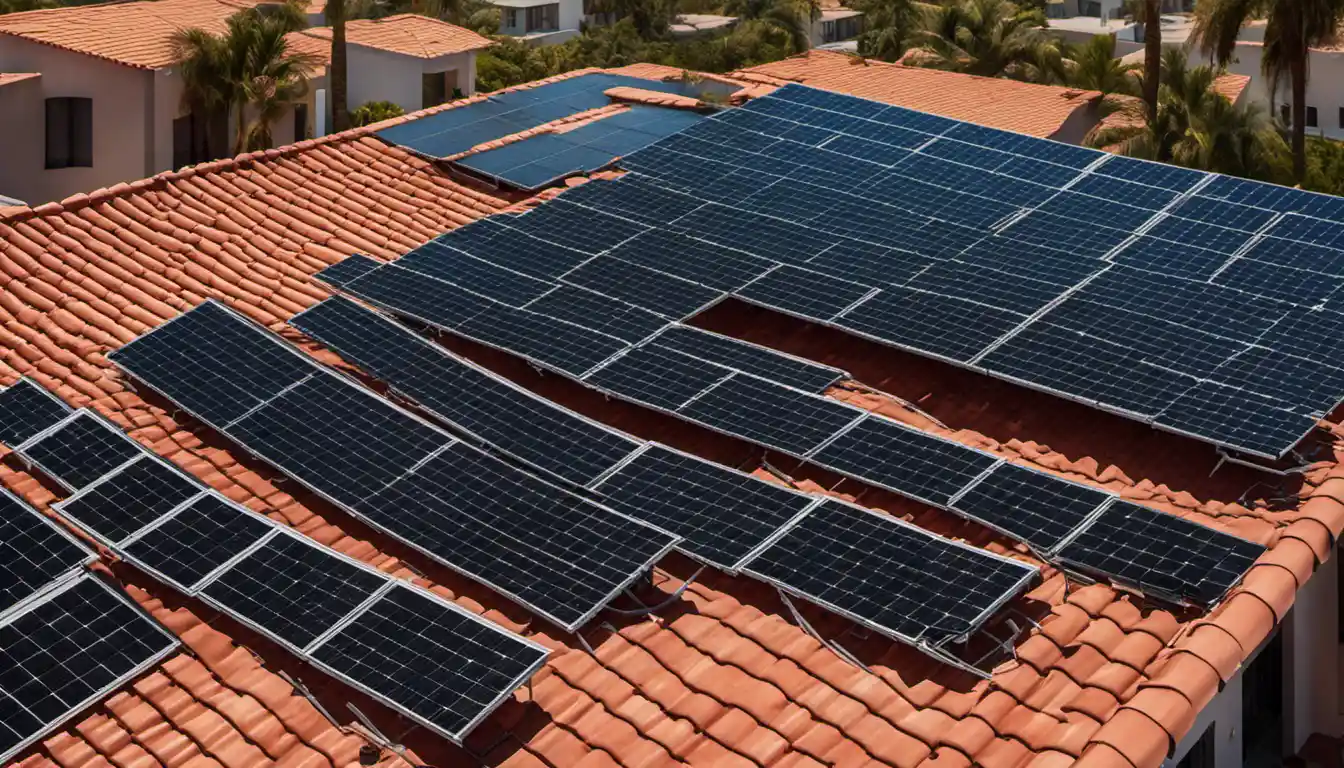
Some roofs and structures may support clamps, standing-seam attachments, ballast, or other non-penetrating methods. The correct option depends on roof material, wind exposure, structural capacity, waterproofing, and manufacturer or building requirements.
Cable size depends on current, voltage, cable length, temperature, installation method, voltage-drop limits, insulation, and applicable electrical requirements. Use cable designed and rated for the location and system.
They may be connected in series or parallel when the combined voltage and current remain within the controller’s limits and the panels are suitable for the configuration.
Check open-circuit voltage, short-circuit current, shading, fuses, connectors, cable size, and controller ratings.
Higher efficiency can be useful when roof space is limited, but the best choice also depends on price, temperature performance, warranty, degradation, shading, installation, and available area.
Compare compatibility, specifications, practical performance, installation, maintenance, warranty, support, replacement parts, total cost, and intended use.
Avoid choosing based only on a headline wattage, percentage discount, or isolated customer rating.
They can suit camping, RVs, travel, emergency charging, and temporary setups. Value depends on panel output, packed size, weight, durability, sunlight, battery compatibility, and how often the equipment will be used.
Solvoltaics provides general educational information. Solar panels, batteries, inverters, wiring, roofs, and grid connections can involve serious safety risks.
Follow manufacturer instructions and local regulations. Consult a qualified professional for electrical, structural, roofing, battery, fire-safety, or grid-interconnection work.
Product specifications, prices, availability, warranties, regulations, and energy tariffs can change. Confirm current details with the relevant manufacturer, retailer, utility, installer, or authority before acting.
If you need more detailed information, explore Solvoltaics’ guides on solar panels, batteries, inverters, charge controllers, installation, maintenance, off-grid systems, and product comparisons.
Our aim is to provide clear answers that help you ask better questions, compare options more carefully, and make safer solar-energy decisions.