Solar equipment is easier to use when you understand the steps behind the setup. The Solvoltaics How-To section brings together practical instructions for installing, connecting, testing, maintaining, and troubleshooting solar panels, batteries, inverters, charge controllers, and related equipment.
Each guide is designed to explain the process clearly, identify the equipment and measurements involved, and point out situations where professional assistance is more appropriate.
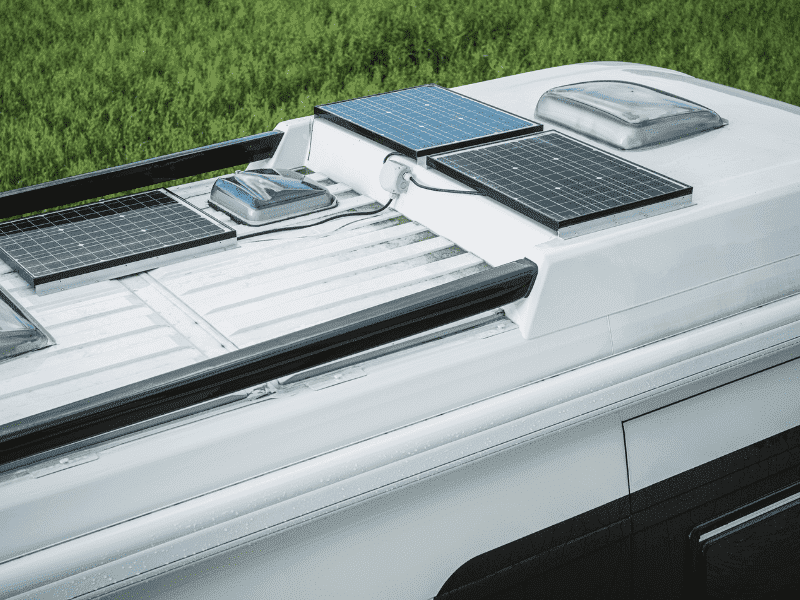
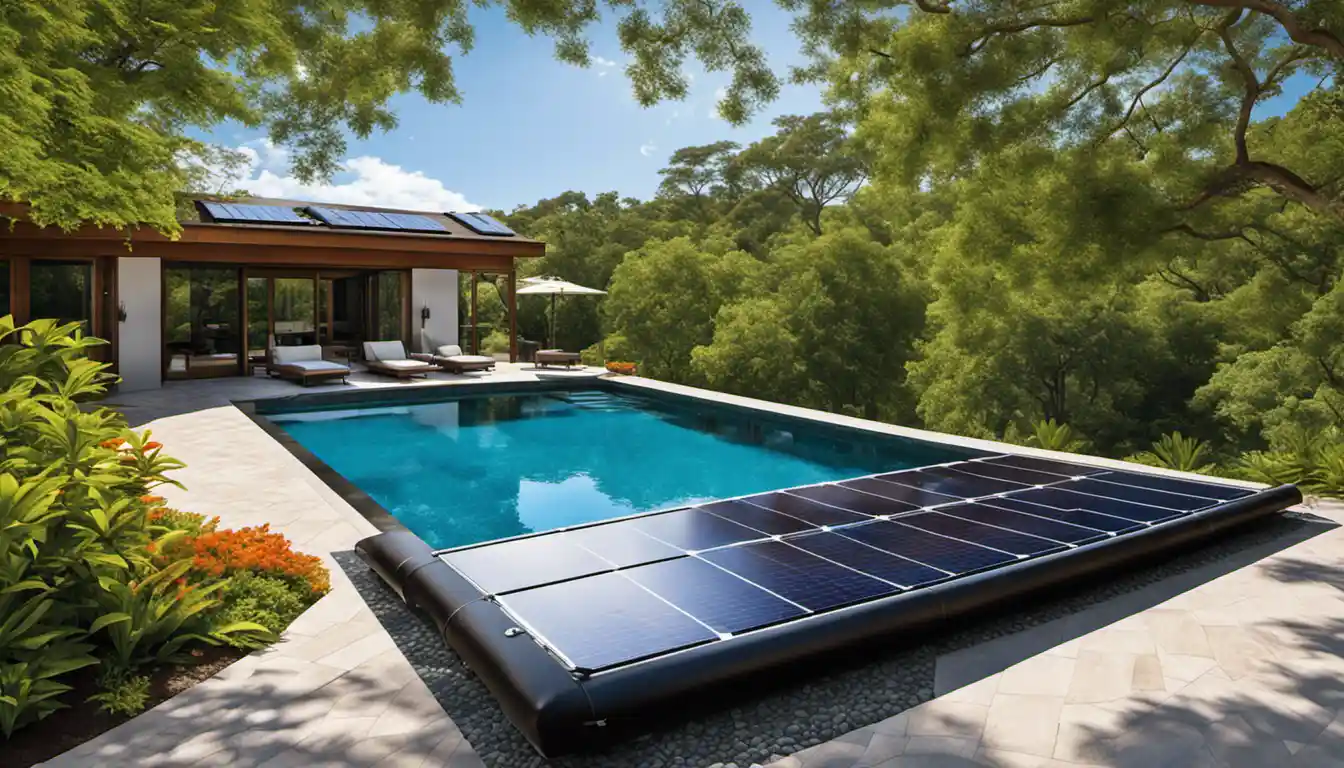
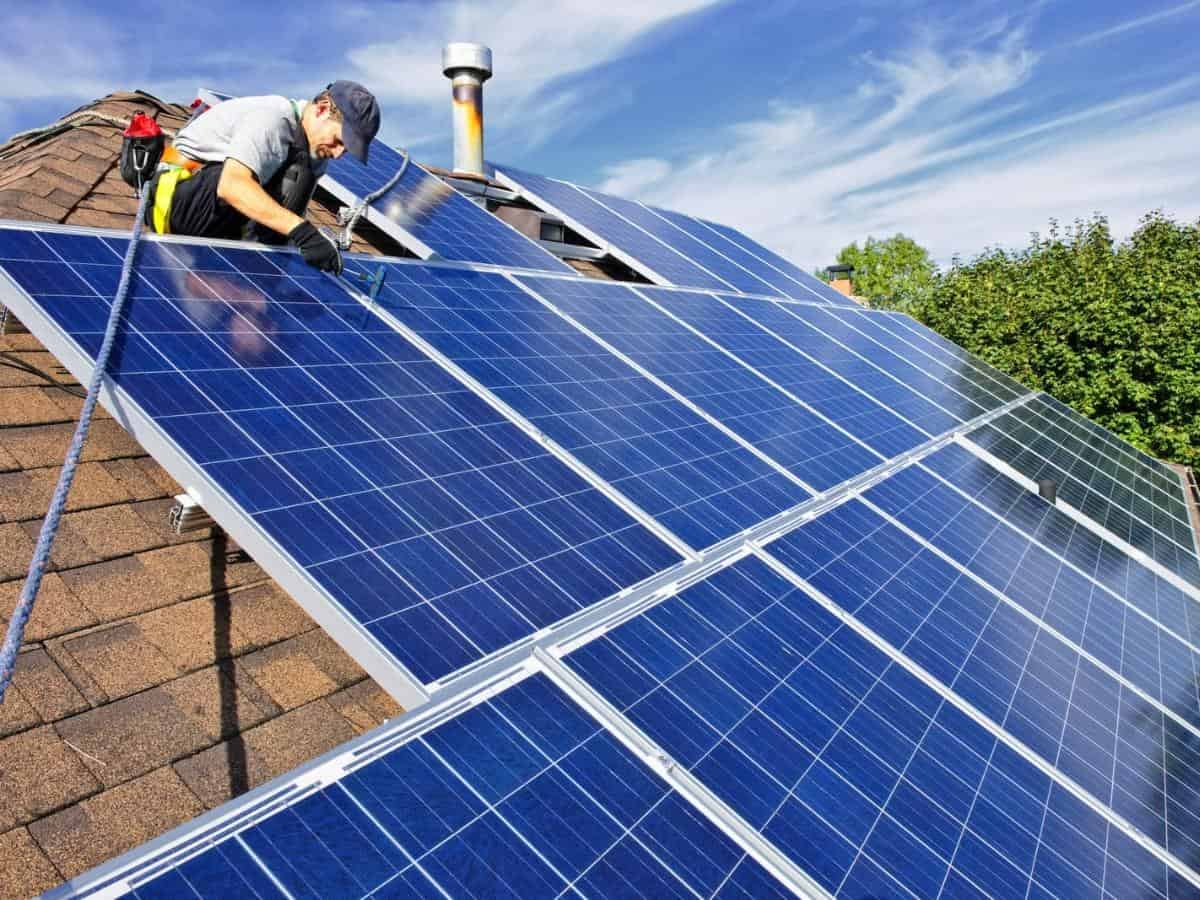
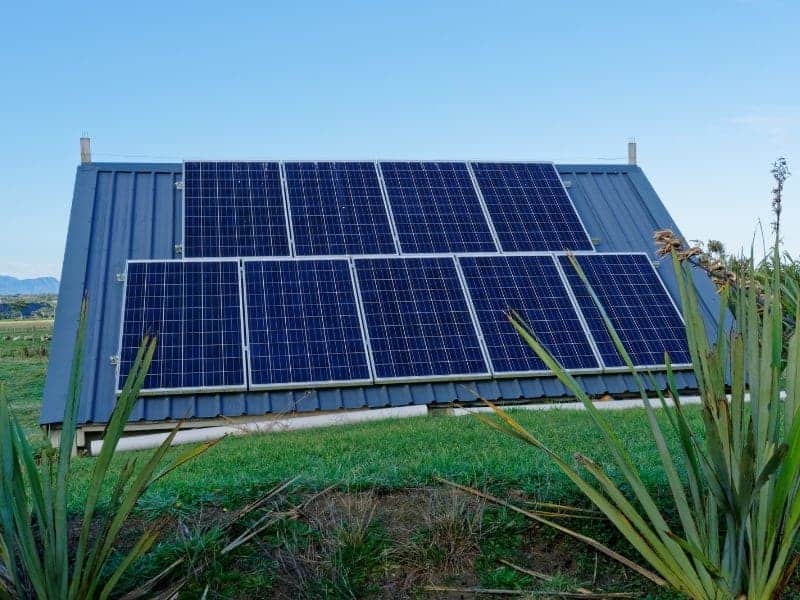
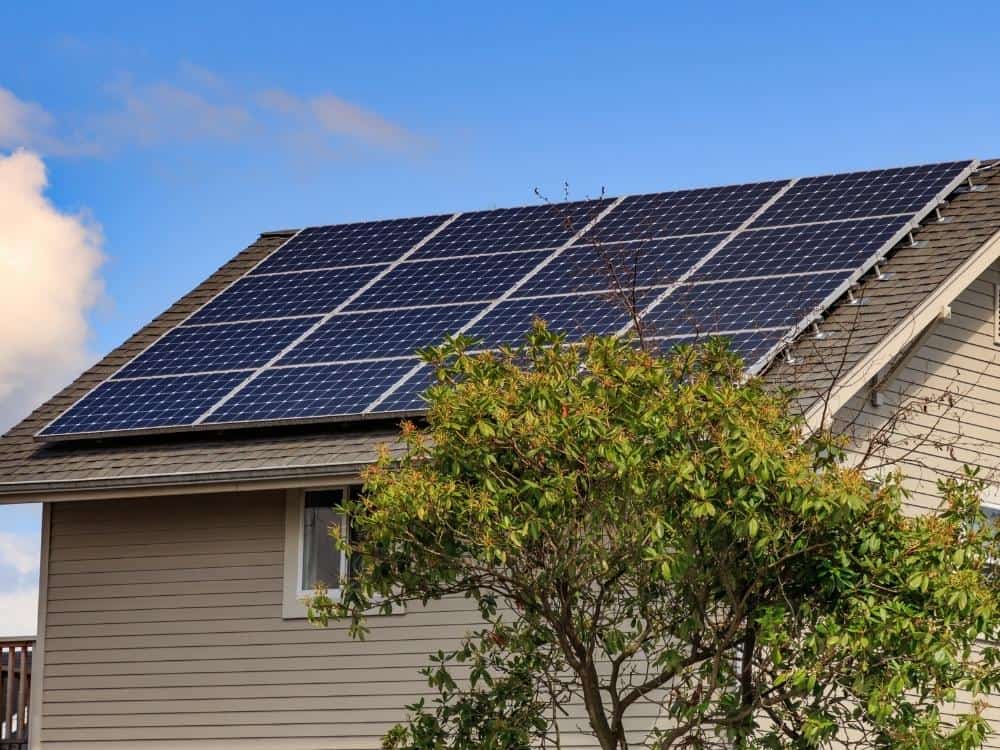
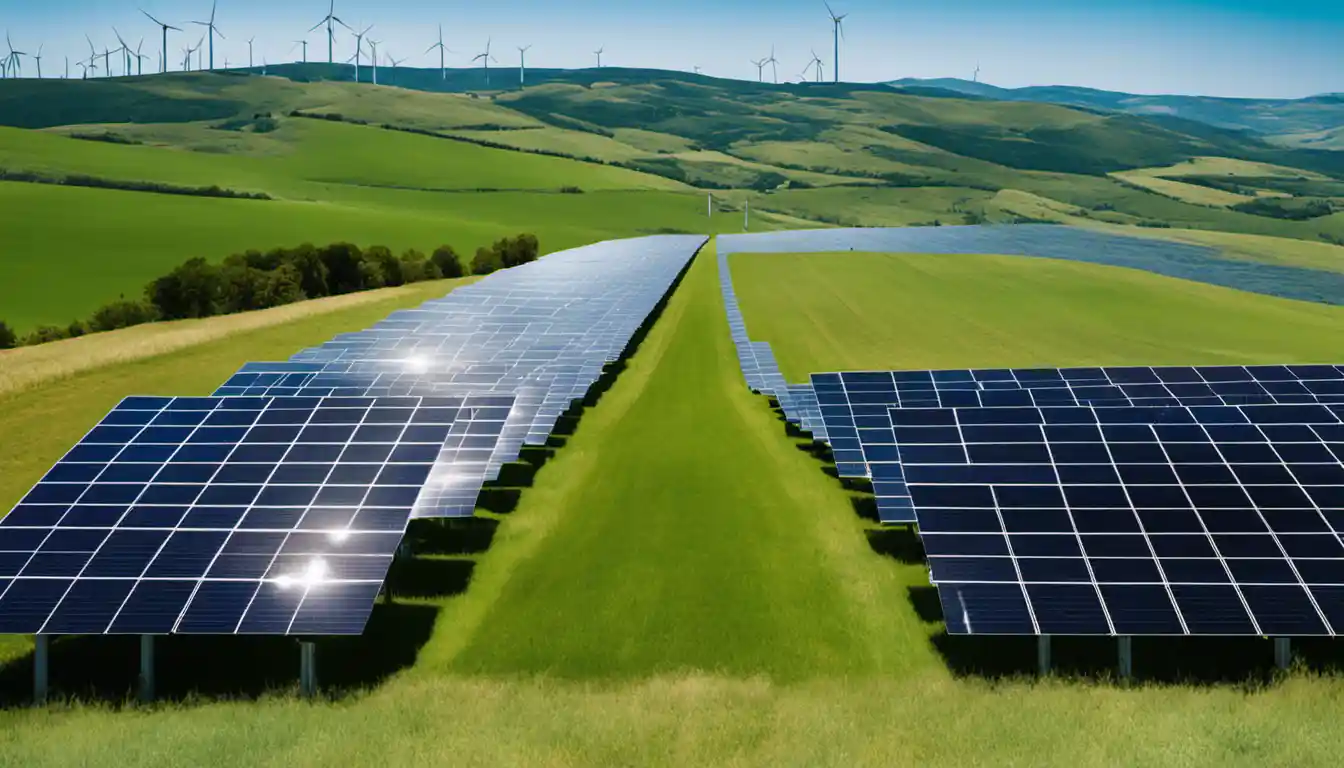
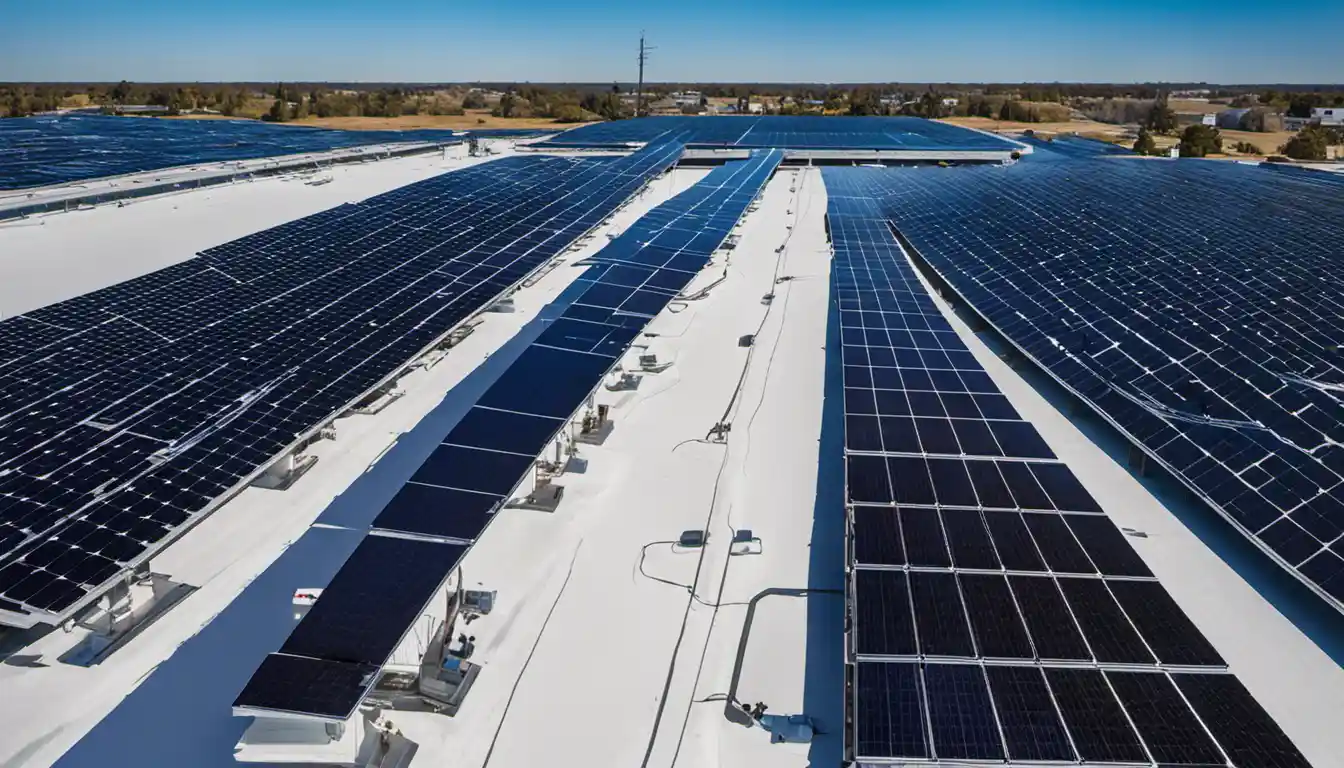
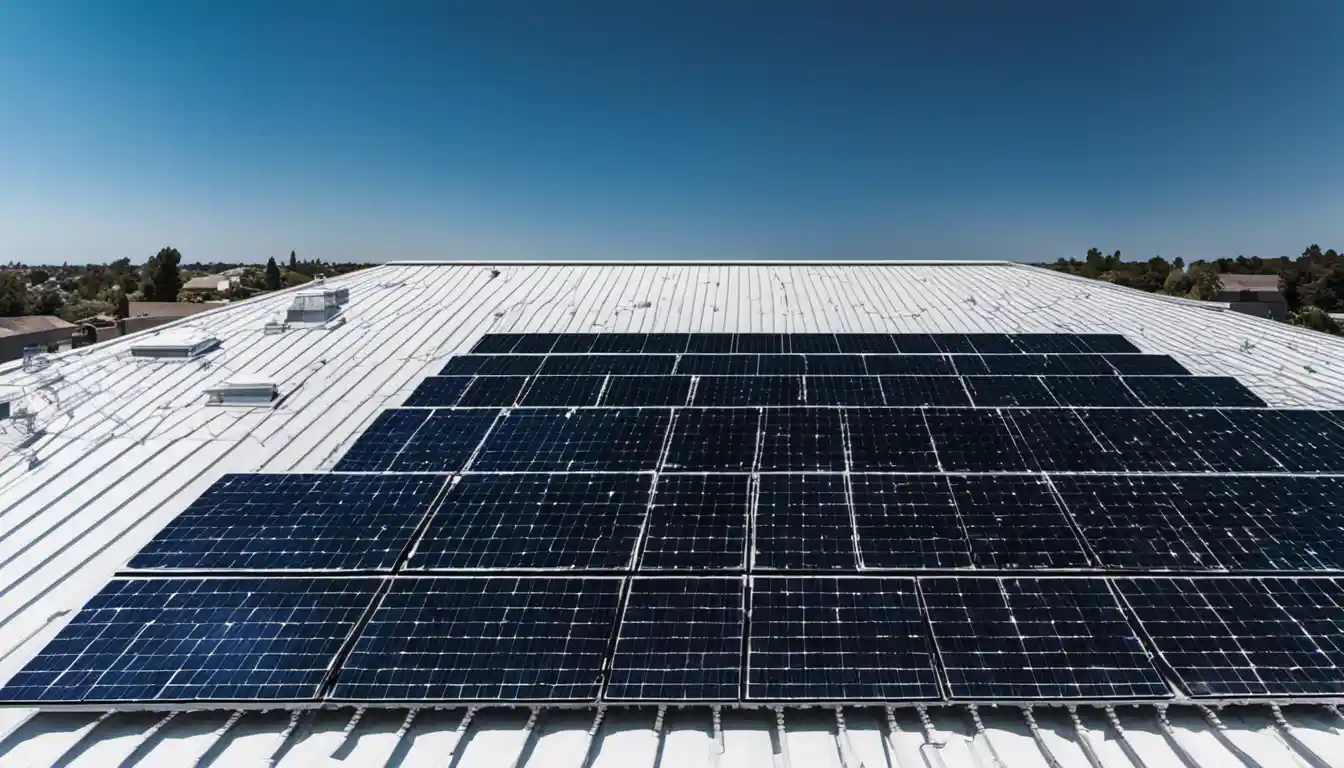
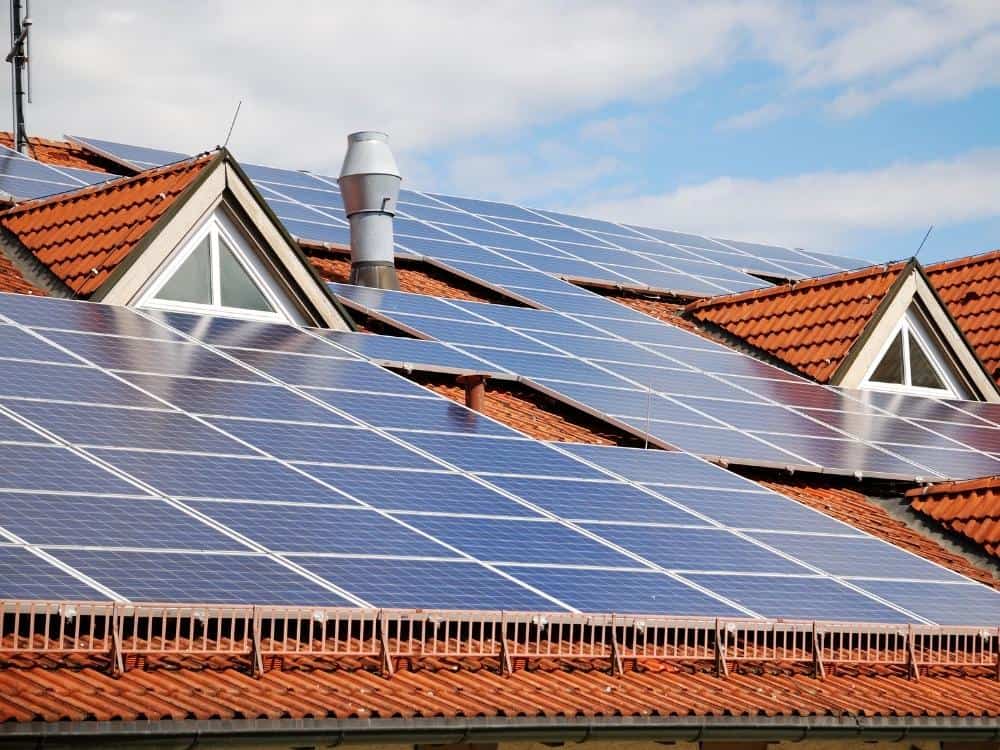
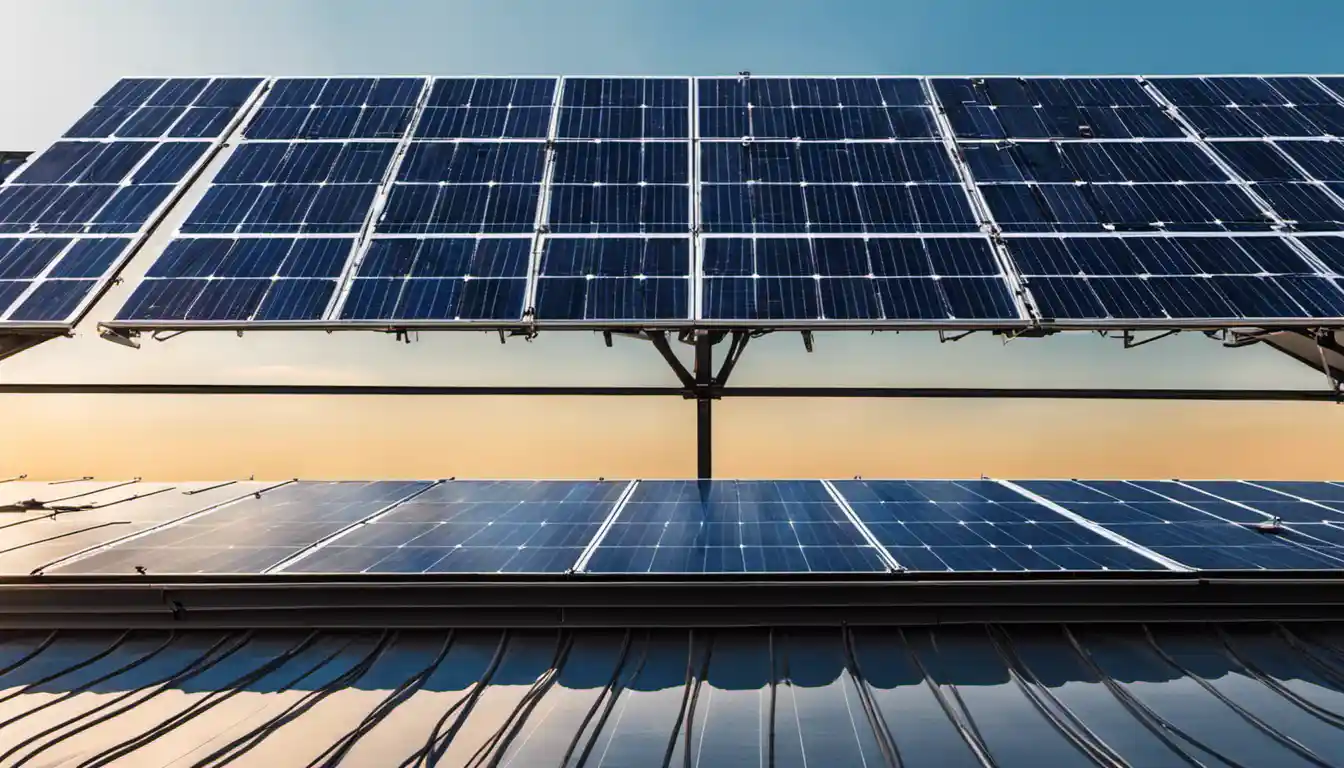
Learn how to plan and position solar panels for different applications, including homes, RVs, caravans, boats, camping systems, portable setups, and off-grid projects.
Guides may cover:
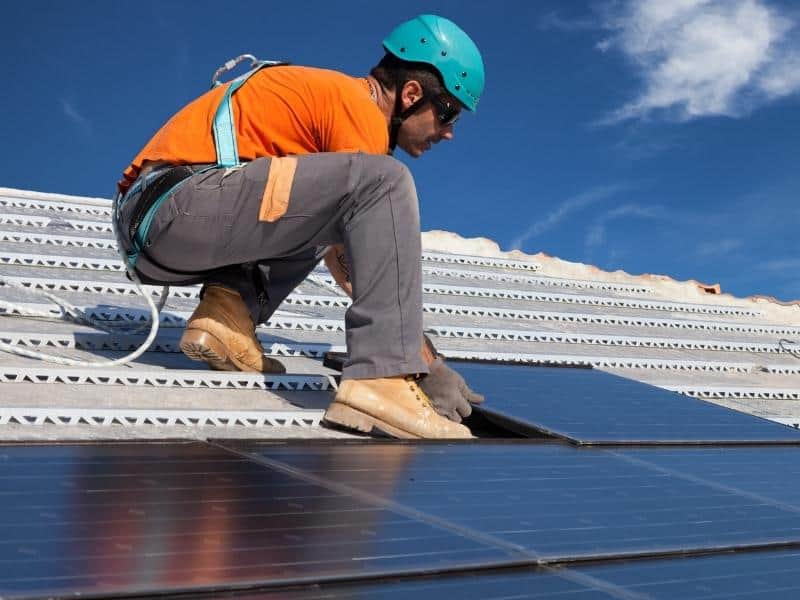
The correct installation method depends on the structure, local conditions, manufacturer requirements, and applicable regulations.
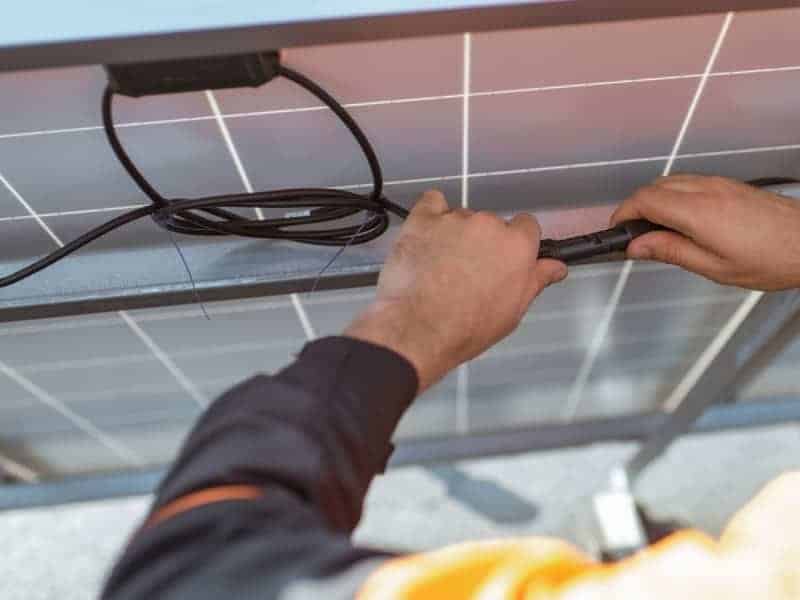
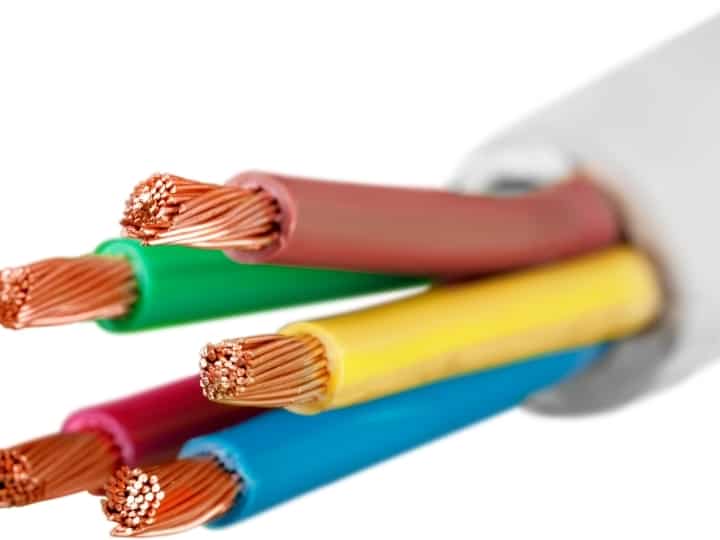
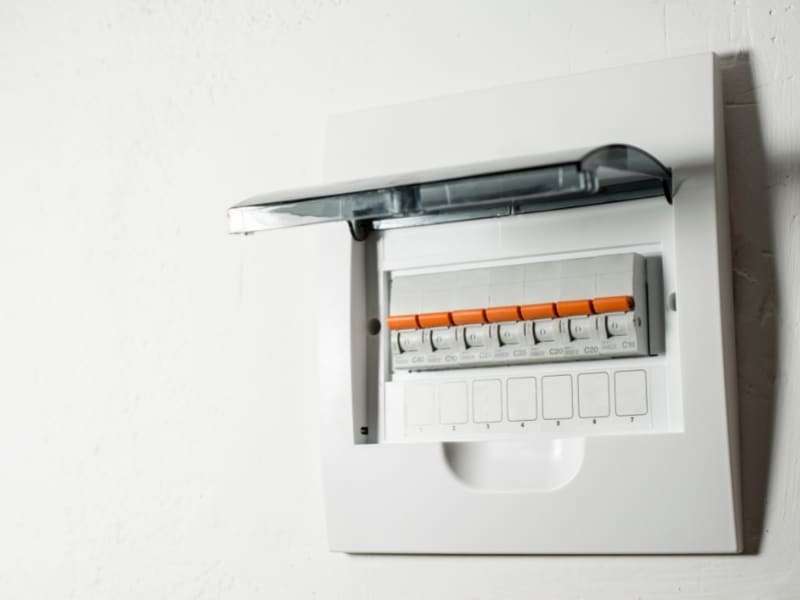
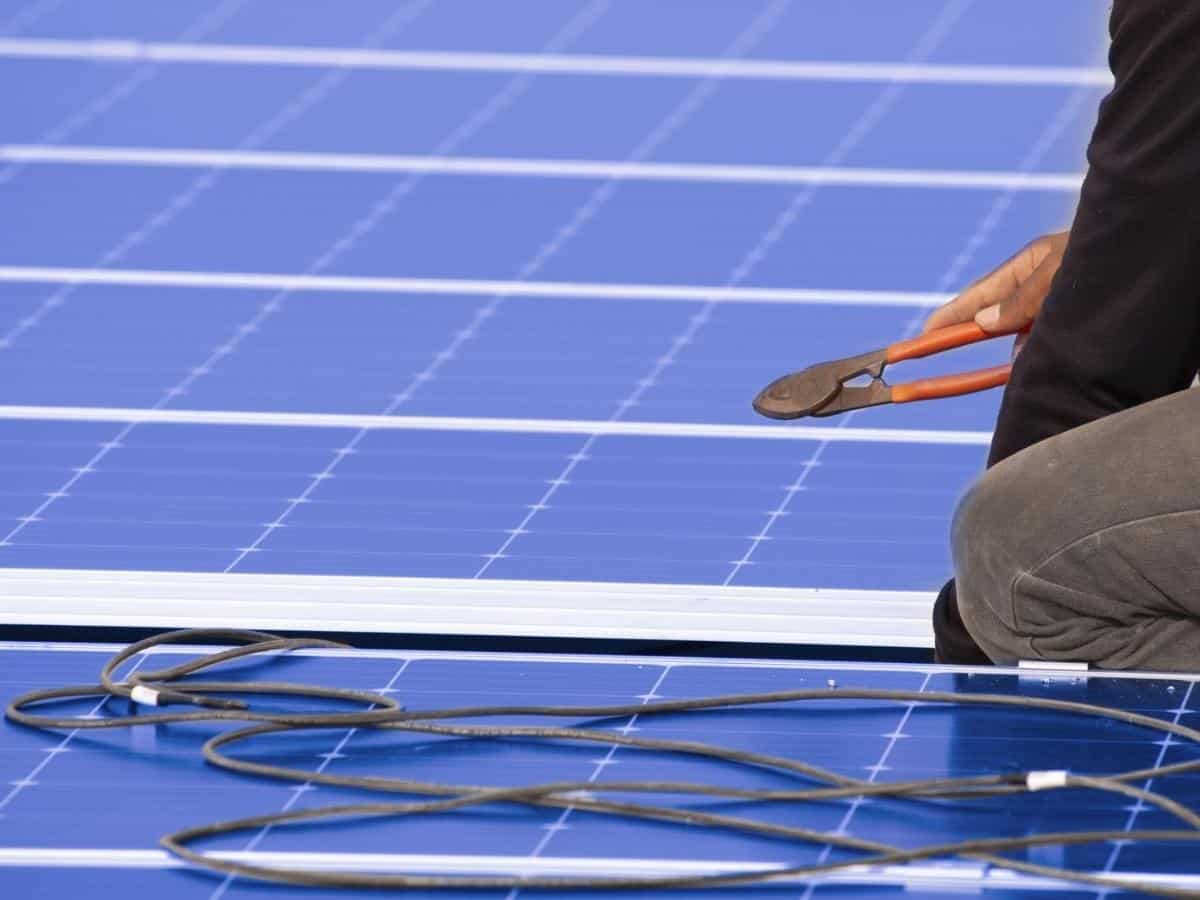
Find guidance on connecting solar panels to batteries, charge controllers, inverters, lights, cameras, appliances, and other equipment.
Topics may include:
Always compare the instructions in a how-to article with the specific manuals for your equipment. Similar-looking components may have different voltage, current, connector, or charging requirements.
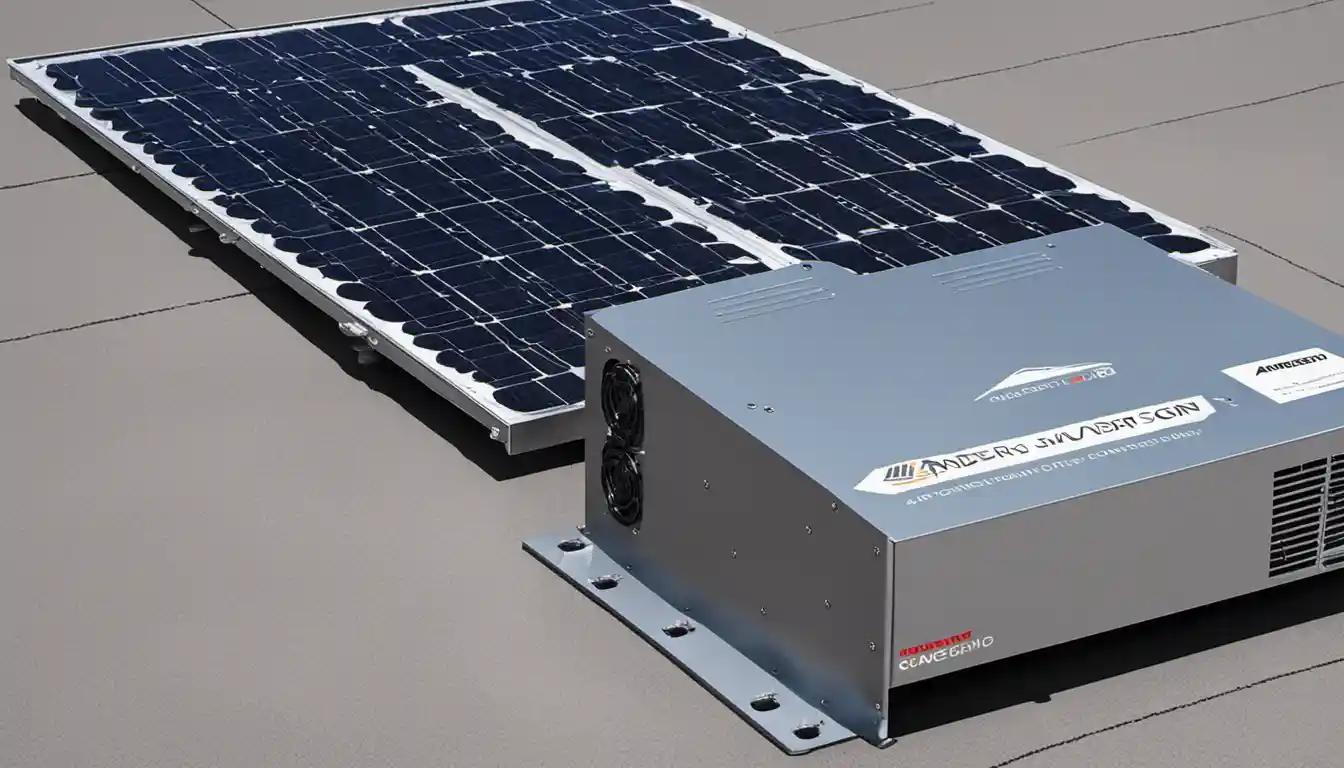
Learn how to install, configure, test, and troubleshoot PWM and MPPT charge controllers.
Our guides may explain:
Do not exceed the controller’s input-voltage, charging-current, battery, or temperature limits.
Explore practical guidance for charging, testing, monitoring, and maintaining solar batteries.
Topics may include:
Batteries can deliver dangerous current even when solar panels are not producing power. Use appropriate protection and qualified assistance when required.
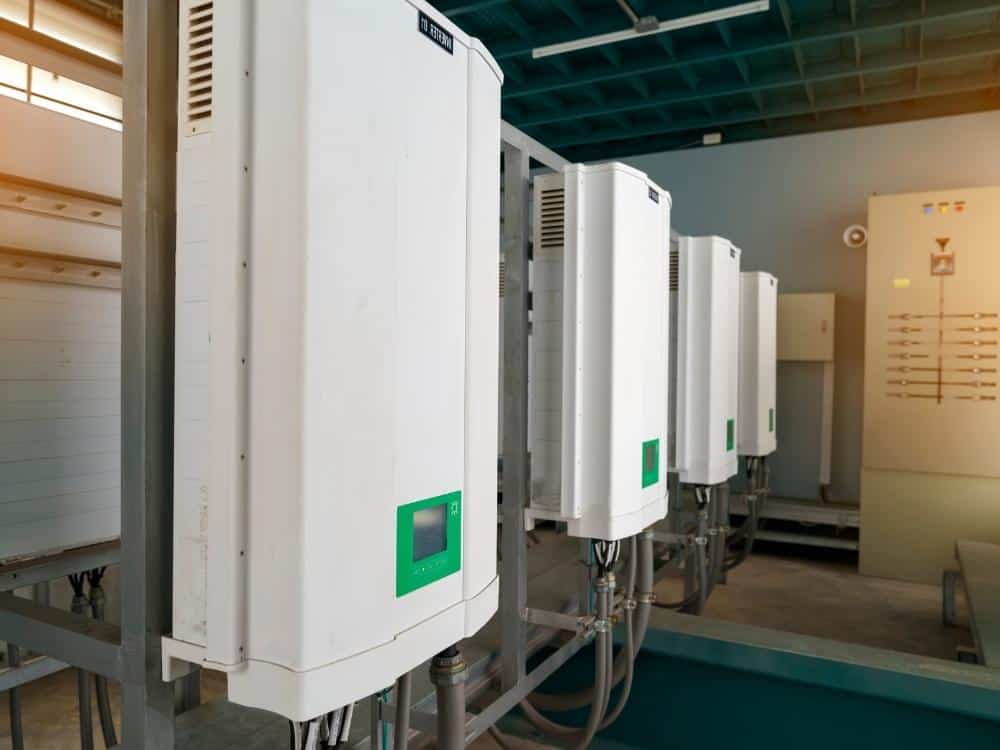
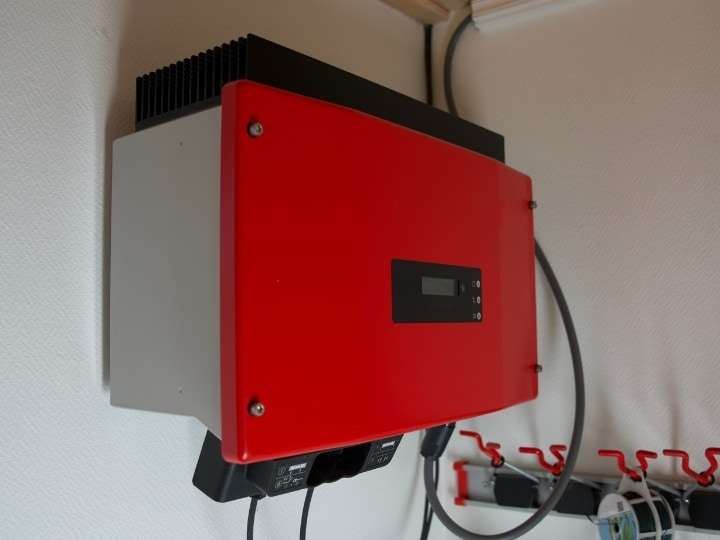
Learn how to connect, monitor, maintain, and investigate common inverter issues.
Guides may address:
Follow the inverter manufacturer’s shutdown and connection instructions before inspecting or changing the system.
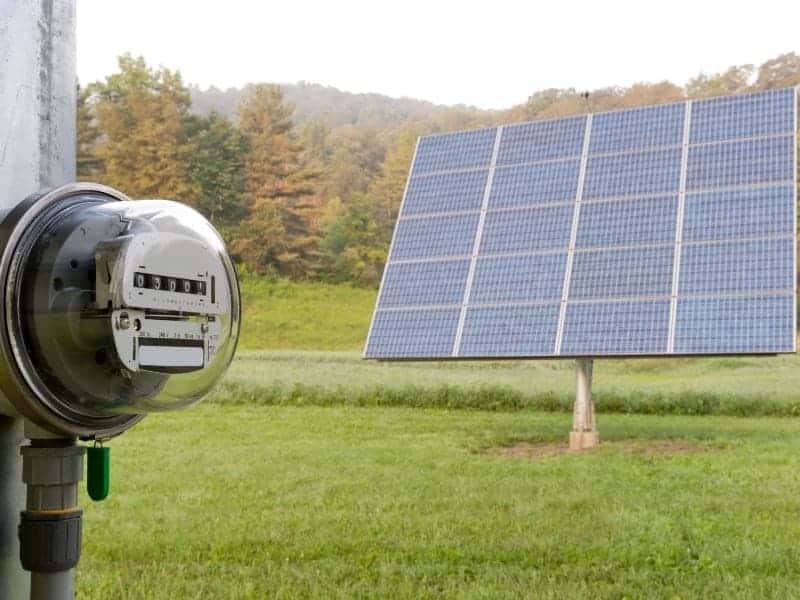
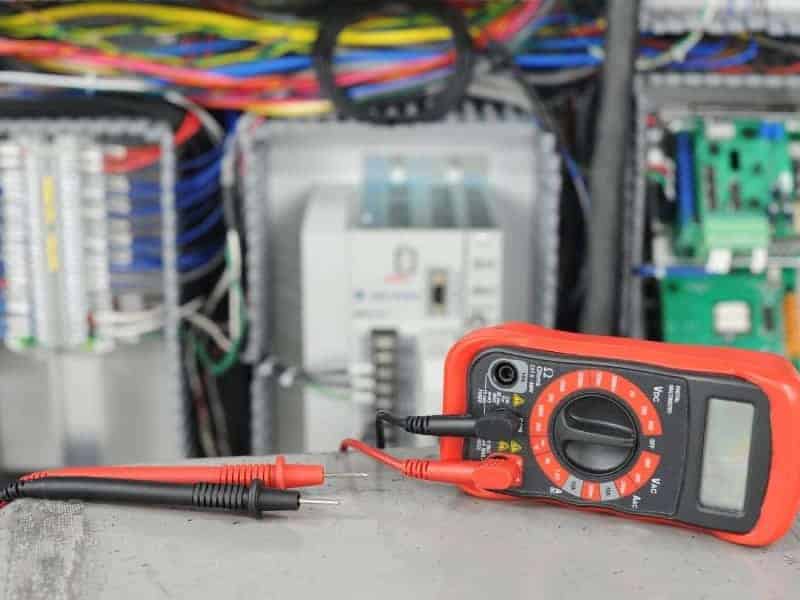
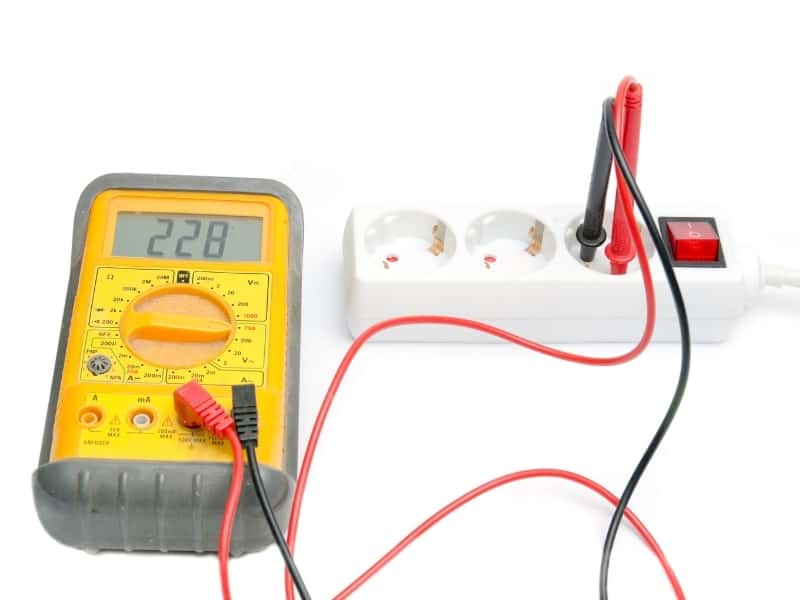
Find out how to determine how much electricity a solar system is generating using:
Compare readings over time and account for sunlight, shading, temperature, system losses, panel orientation, and seasonal changes.
Regular inspection and appropriate maintenance can help identify problems before they become more serious.
How-to topics may include:
Use soft tools and suitable cleaning methods, and avoid roof work when conditions are unsafe.
A guide can help you understand a process, but it cannot account for every property, product variation, installation condition, or local rule.
Browse the How-To section to find practical guidance for solar setup, wiring, charging, testing, maintenance, troubleshooting, and system planning.
Start with the equipment manual and your actual system requirements, then use the relevant guide to understand the process, identify potential risks, and decide whether the task is suitable for you or requires professional help.