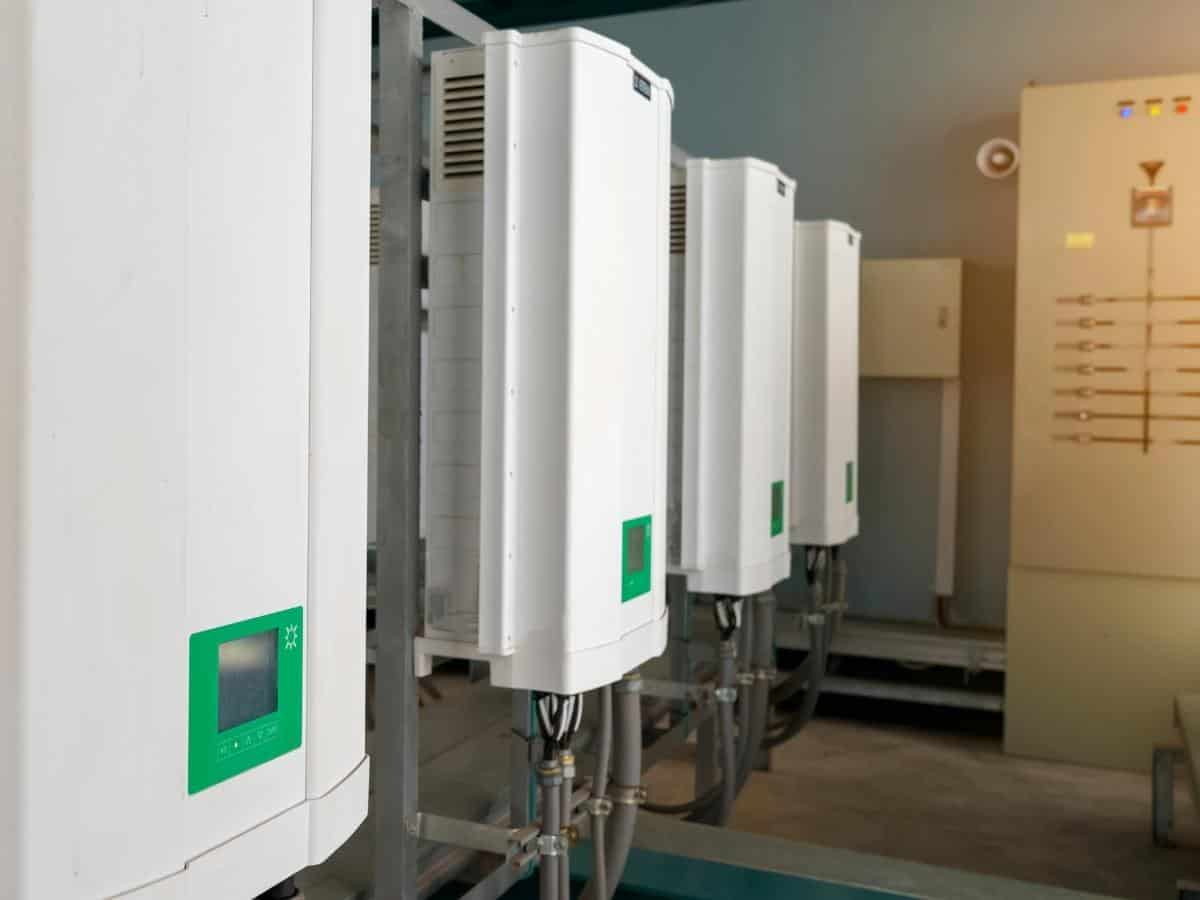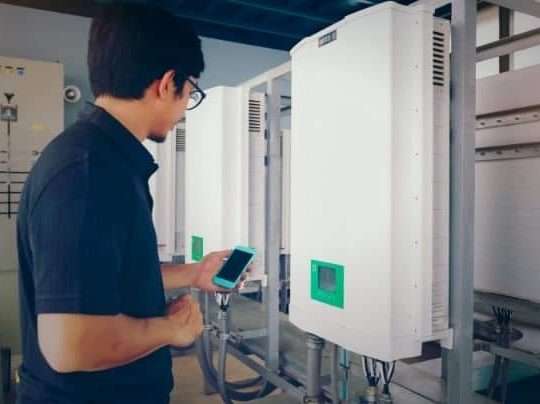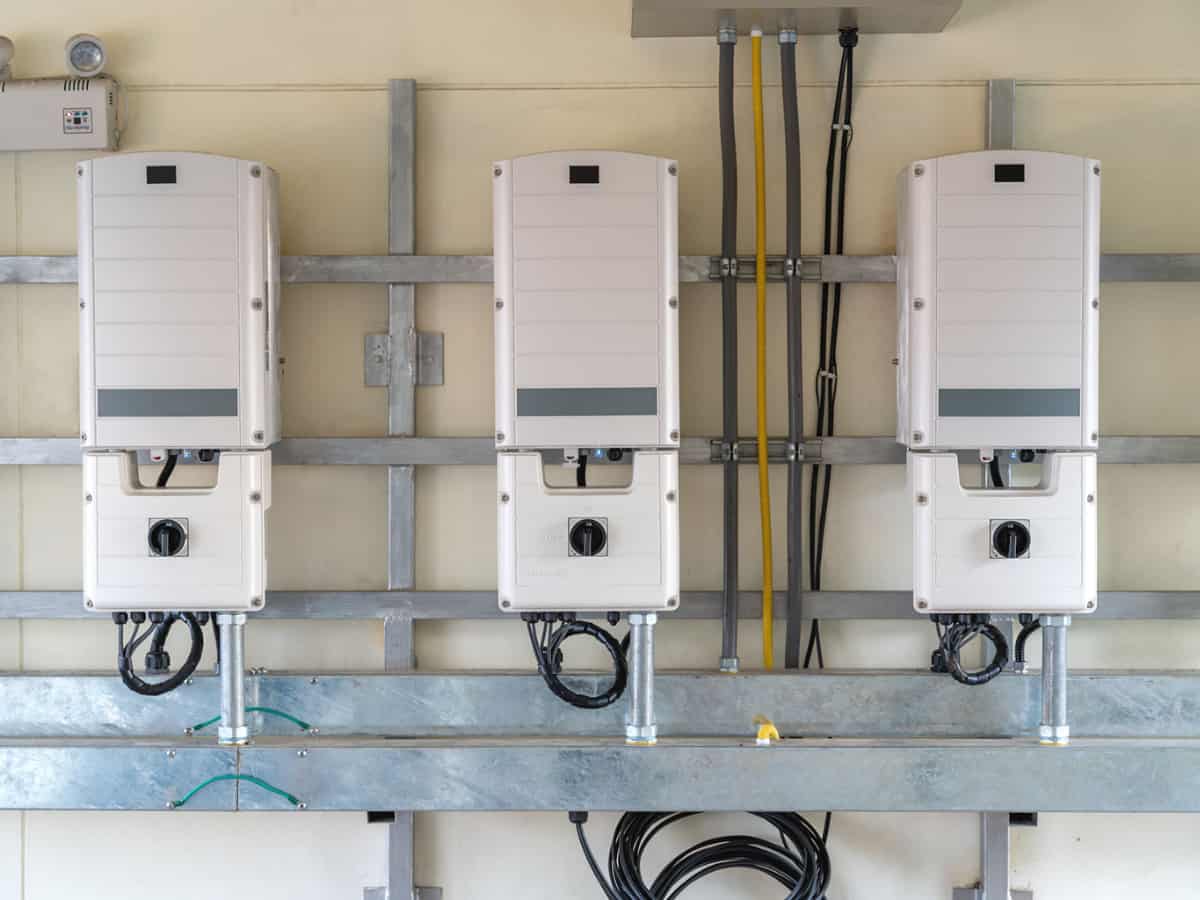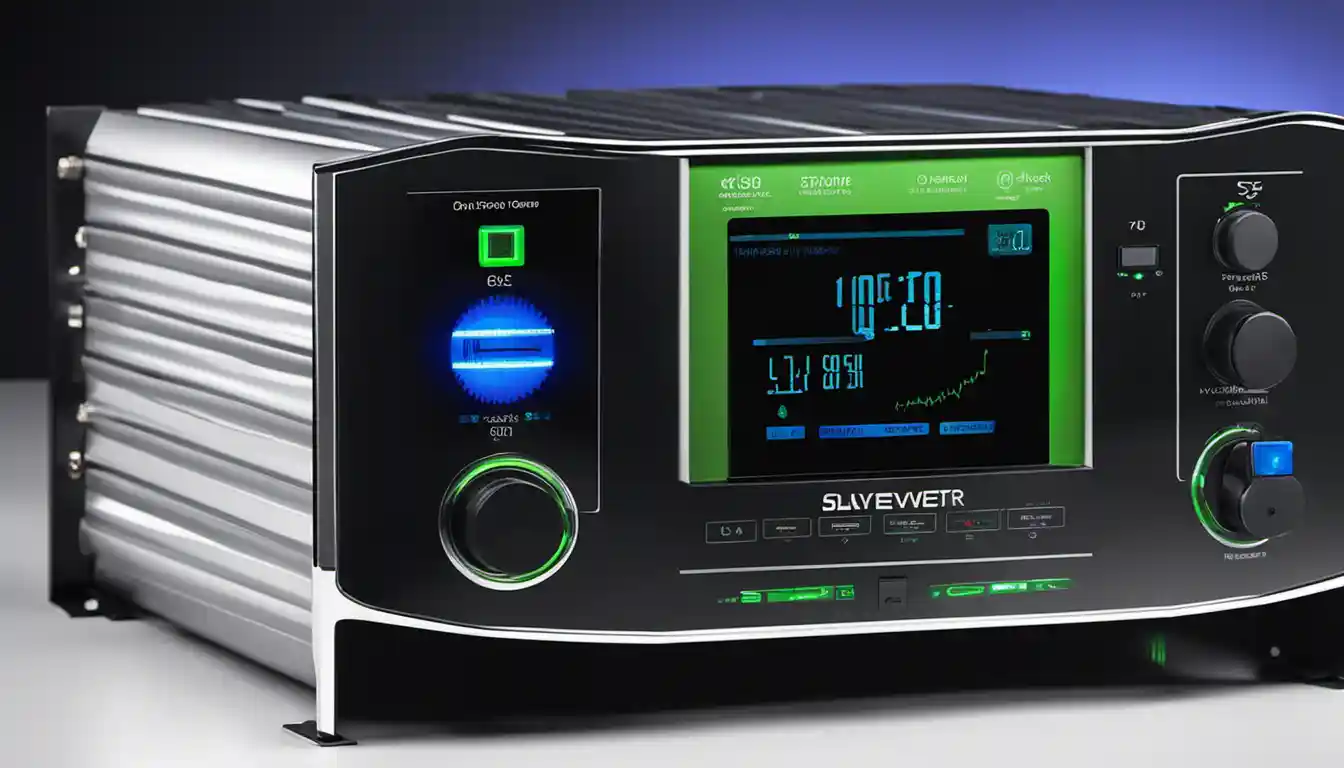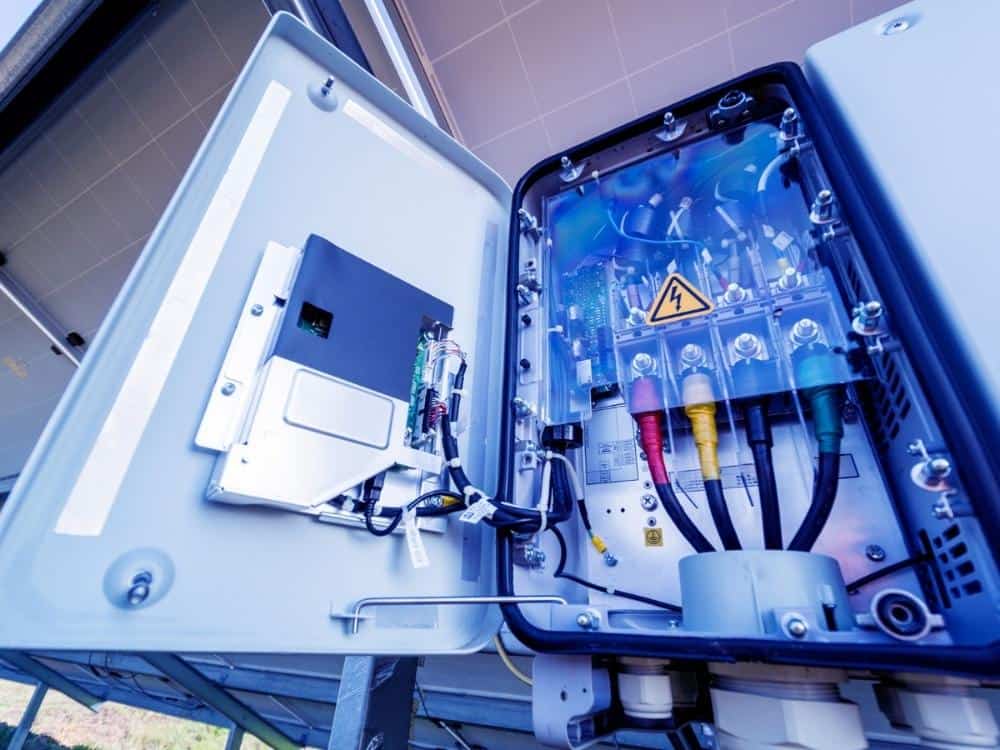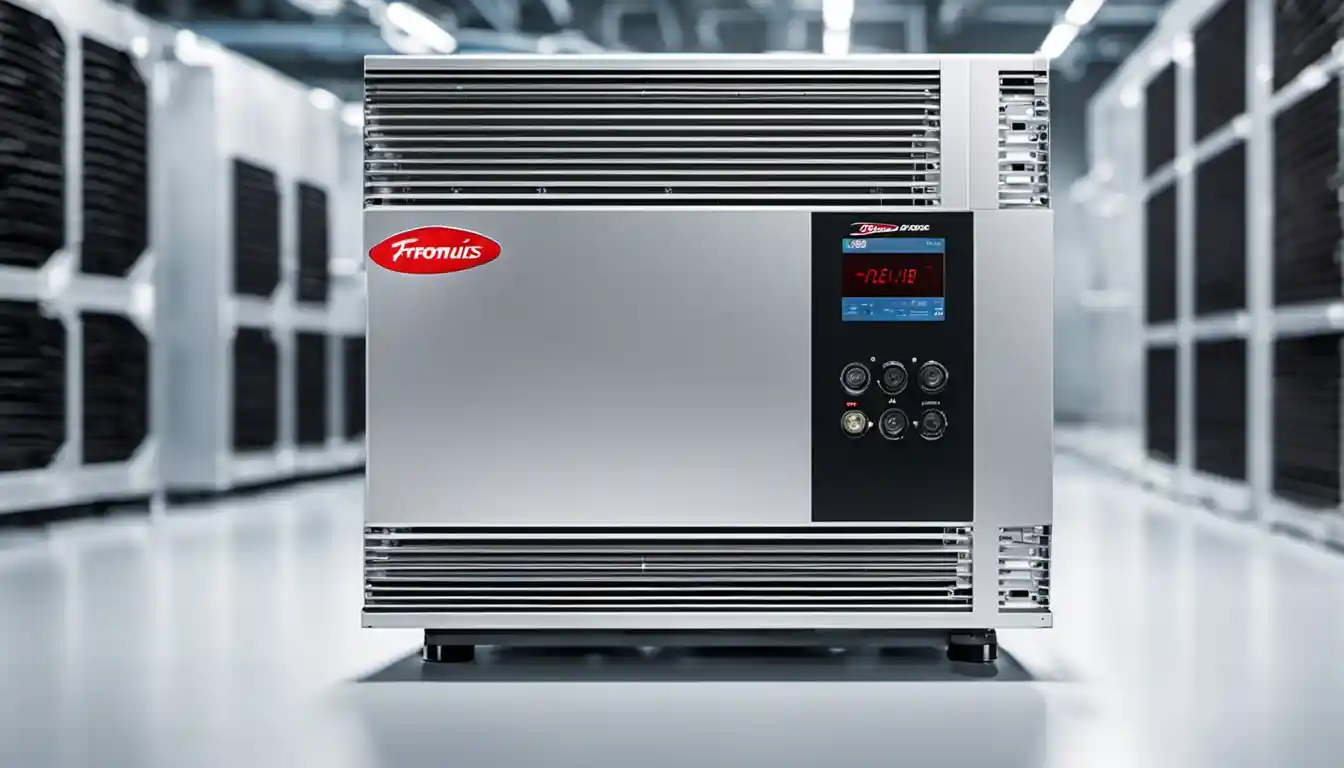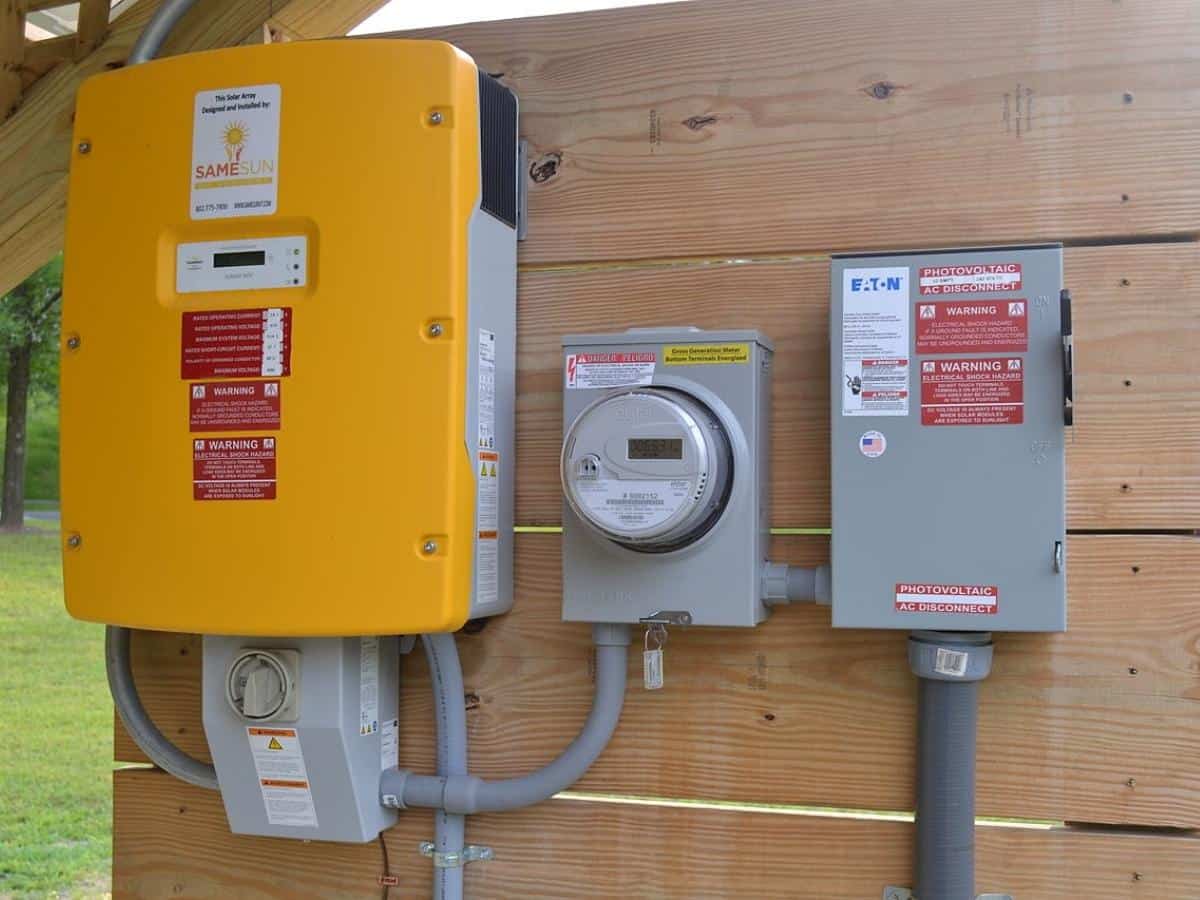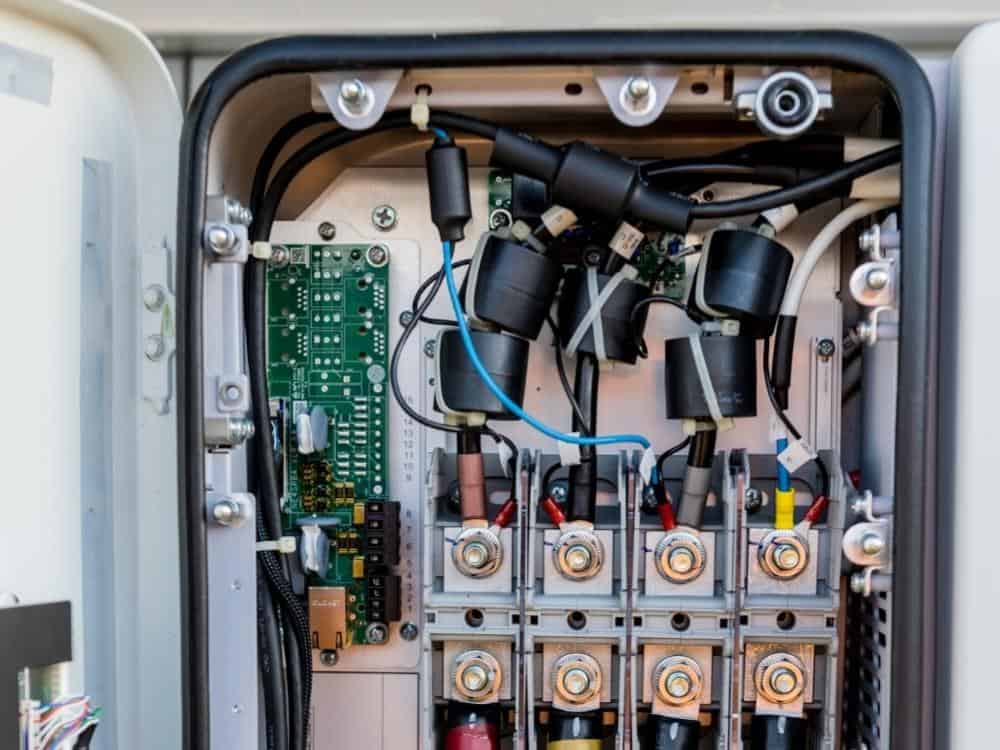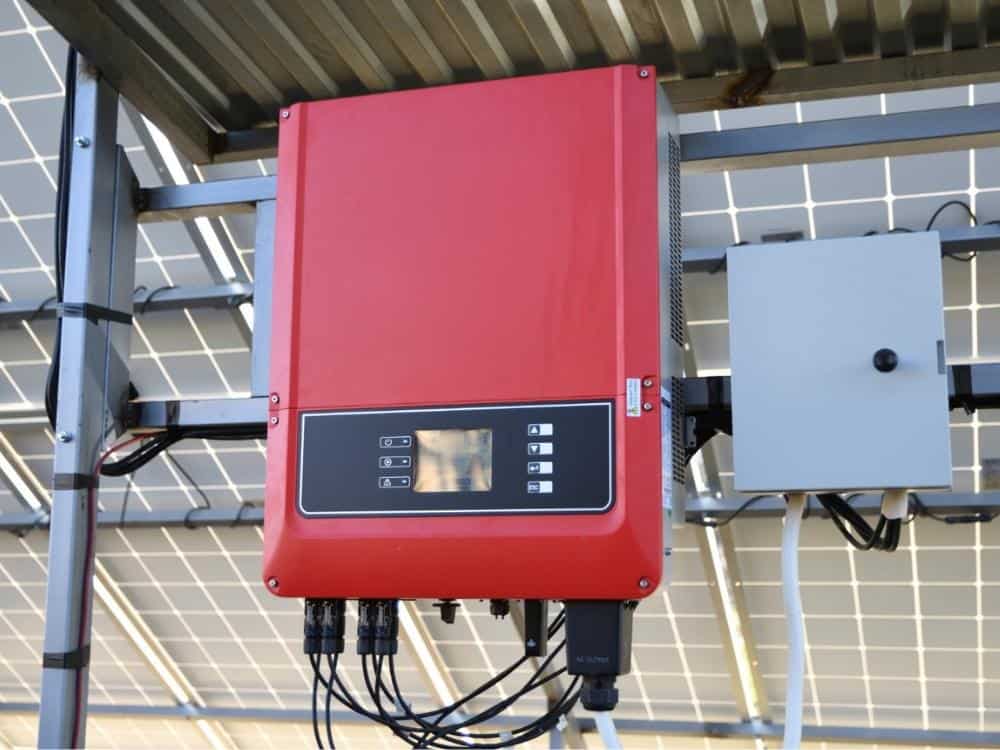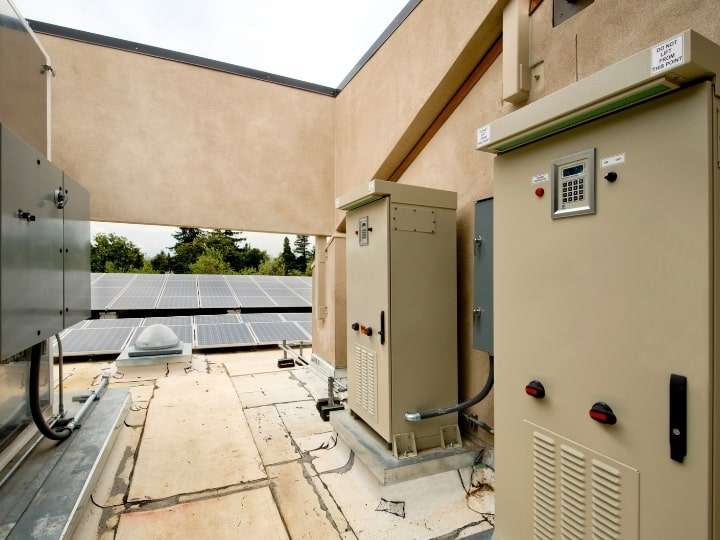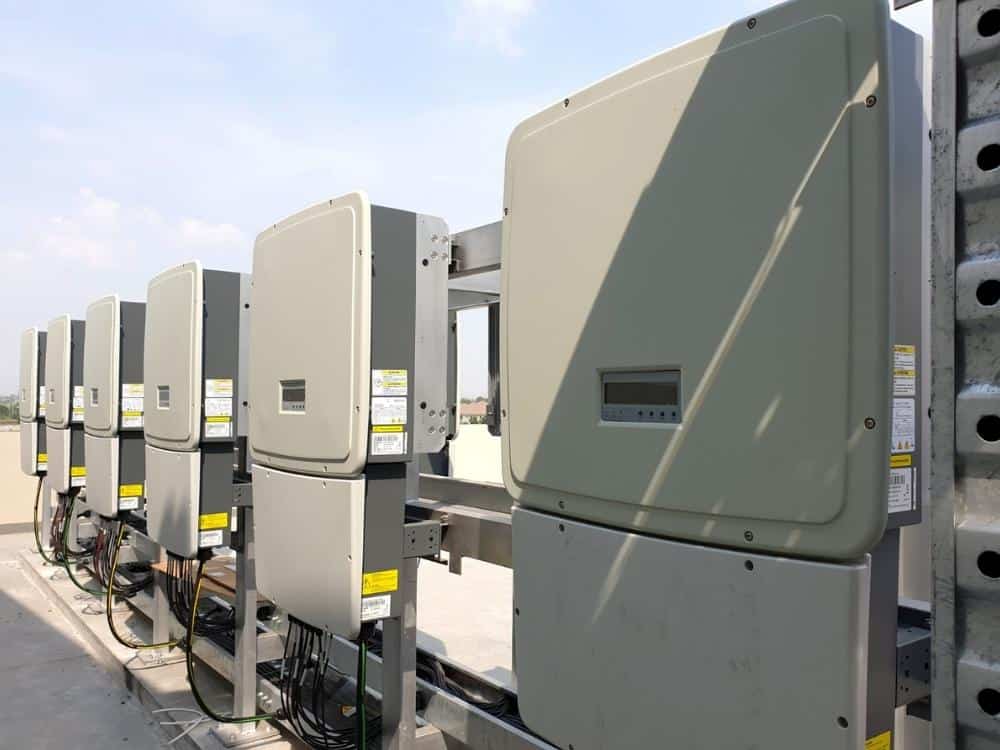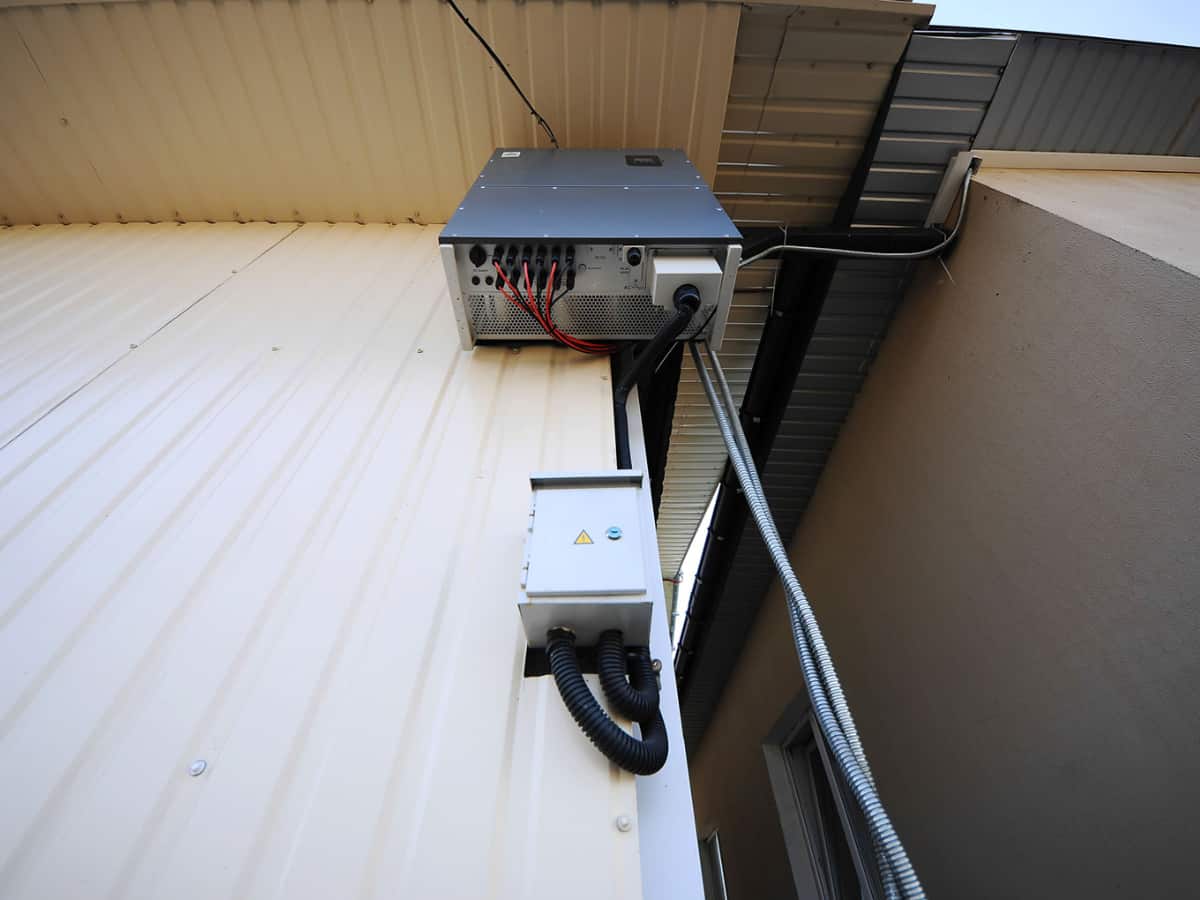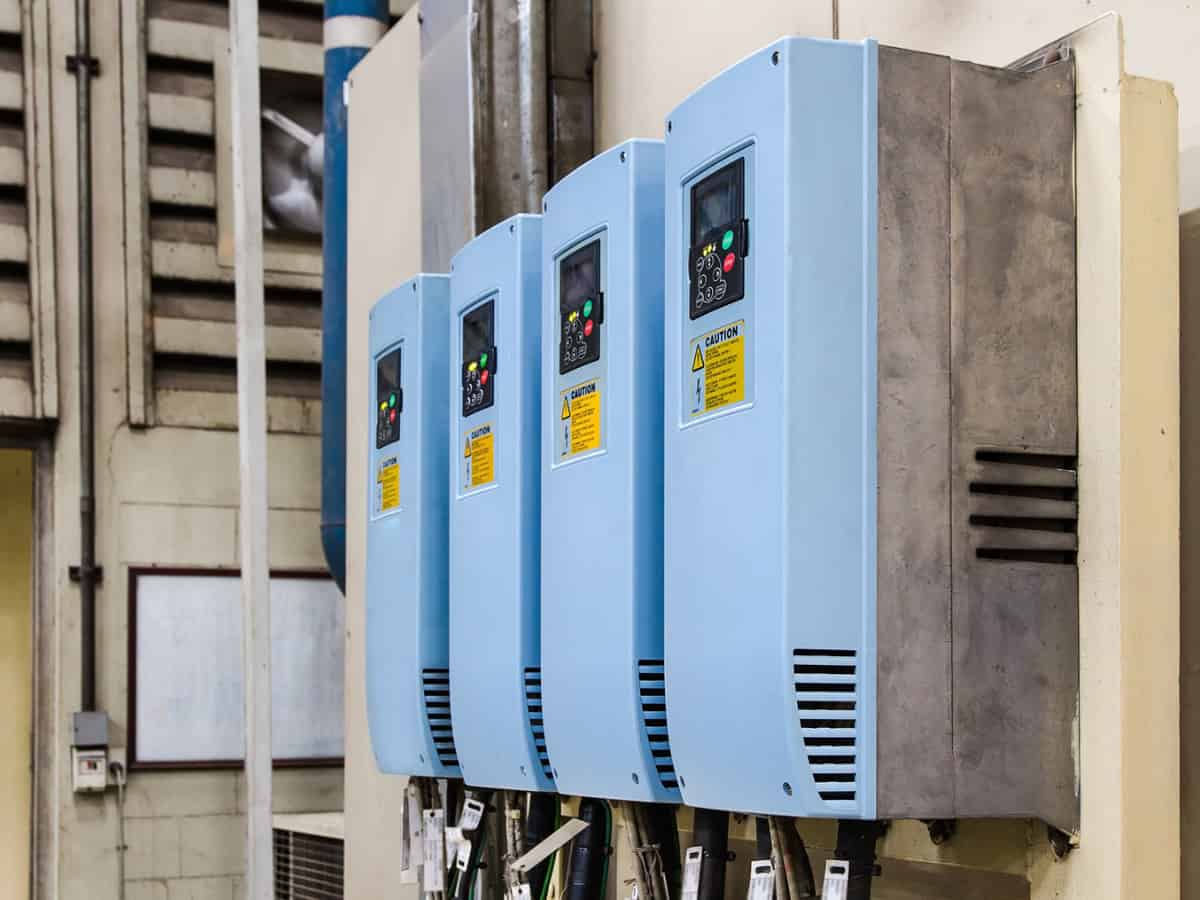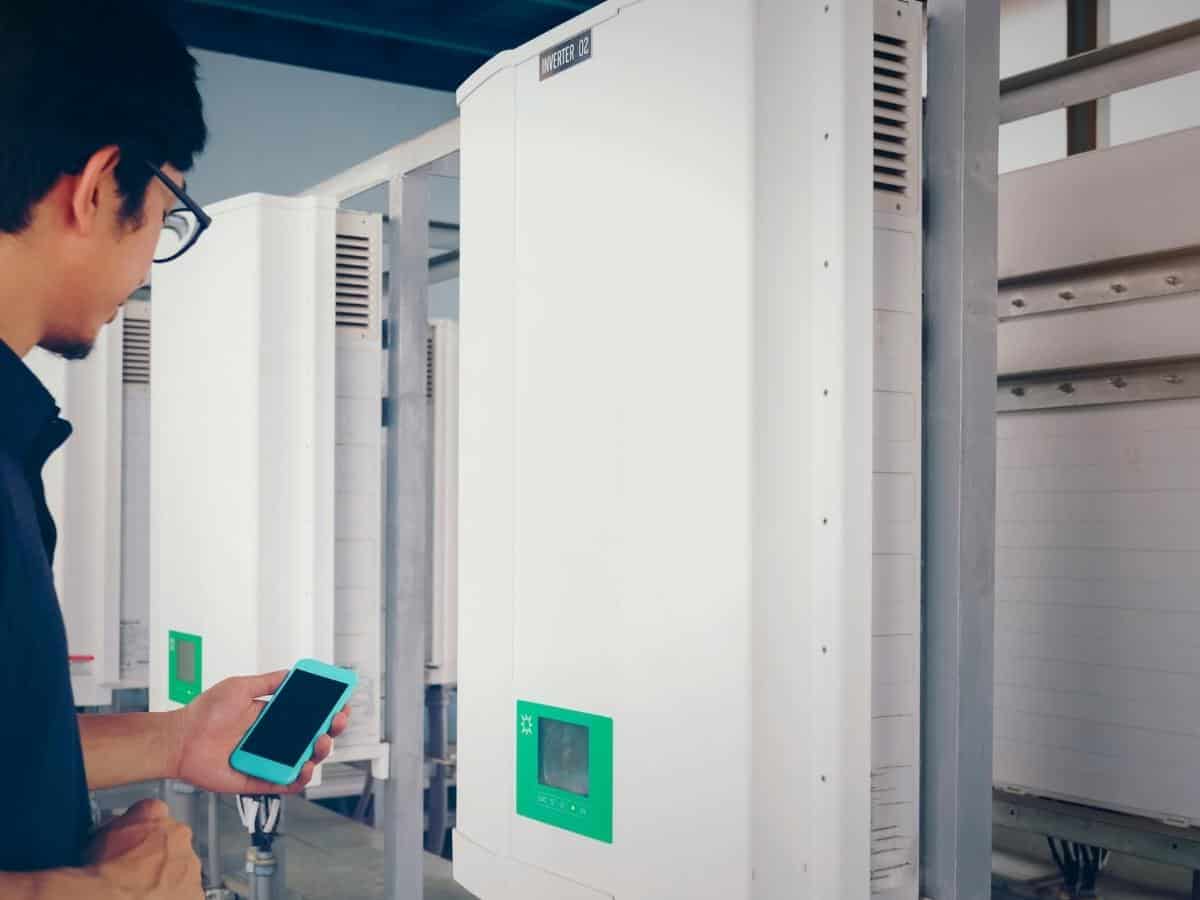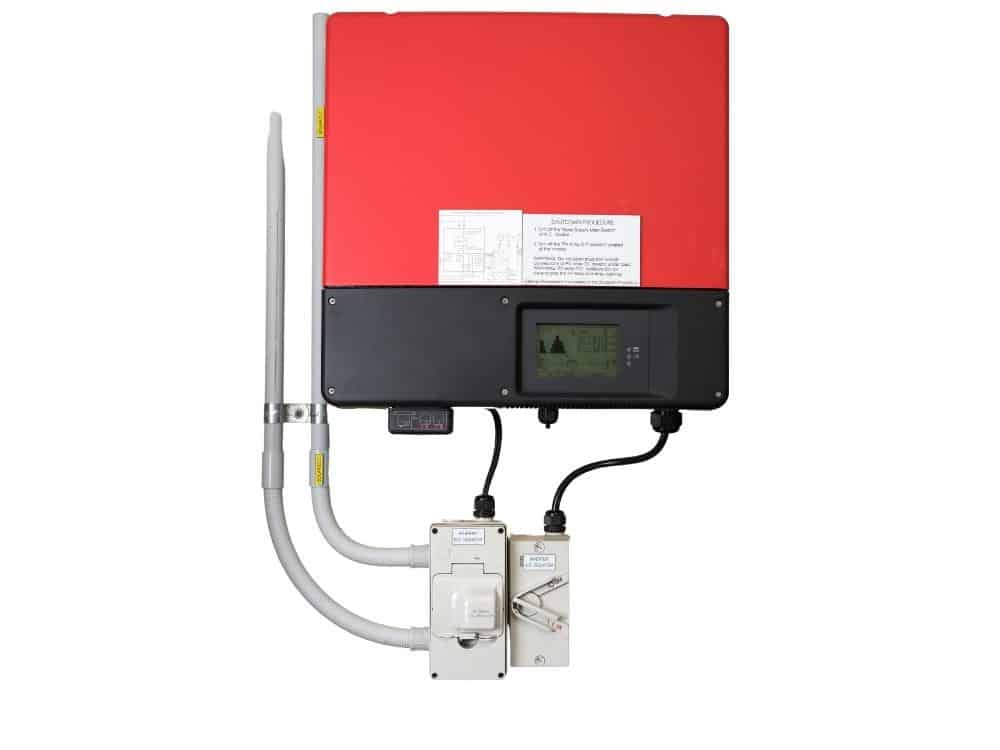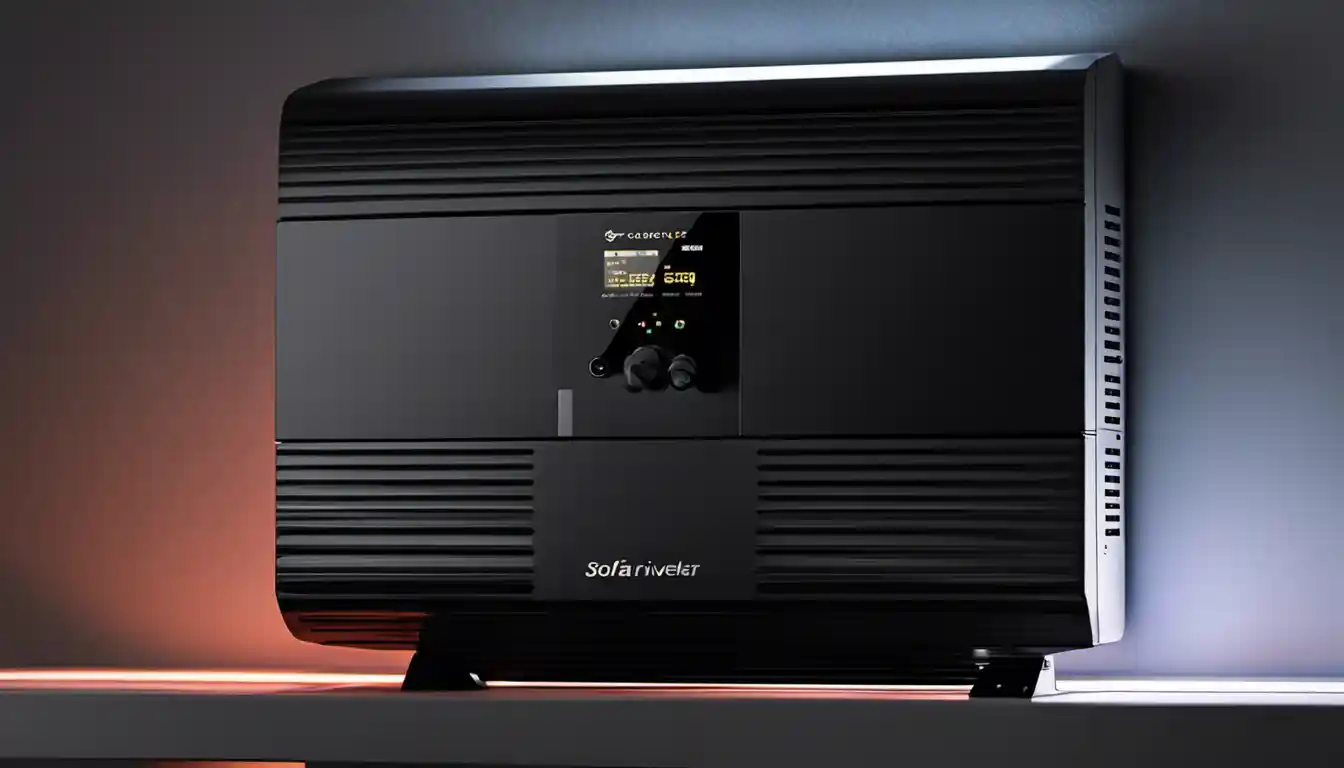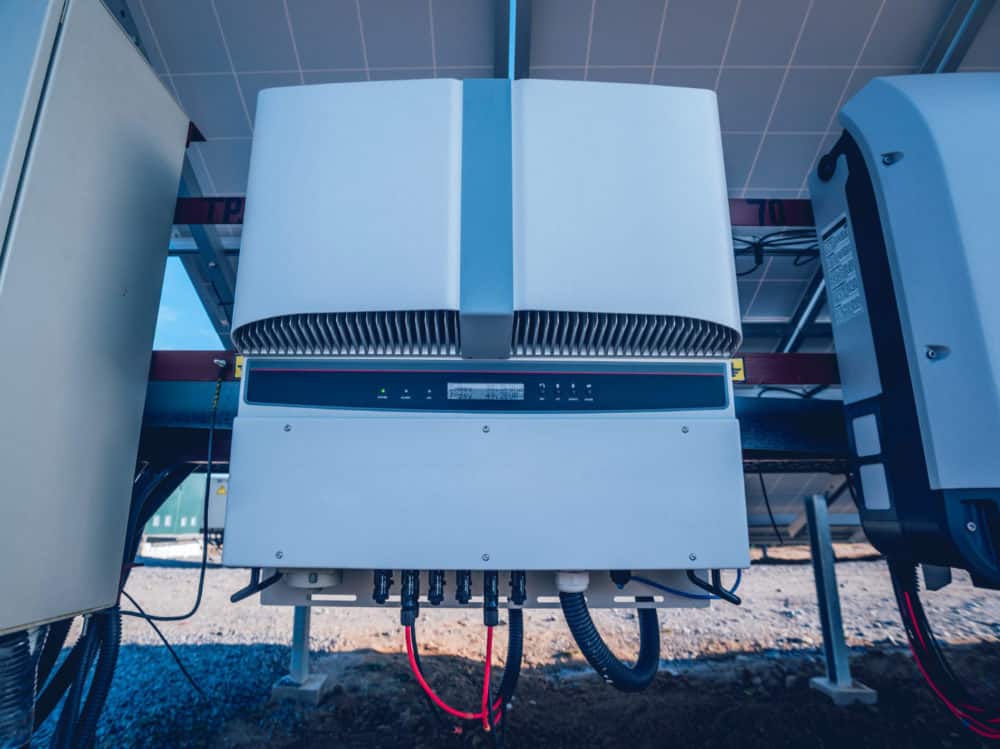
A solar inverter is the part of a solar-energy system that manages and converts electricity so it can be used by appliances, stored in batteries, or exported to the grid. The right inverter can affect system compatibility, energy losses, monitoring, backup capability, installation requirements, and long-term reliability.
The Solvoltaics inverter section brings together practical guides, product reviews, comparisons, setup advice, maintenance information, and troubleshooting help for homeowners, RV owners, off-grid users, and anyone researching solar power systems.
Learn how inverters convert direct-current electricity from solar panels or batteries into alternating-current electricity for compatible appliances and electrical systems.
Our guides explain:
Different applications call for different inverter designs.
Grid-tied inverters connect a solar system to the utility grid. They typically convert solar electricity for immediate use and allow surplus production to be exported where permitted.
These systems commonly shut down during a grid outage unless approved backup equipment is installed.
Hybrid inverters can coordinate solar panels, batteries, household loads, and the grid. They may support energy storage, backup circuits, time-of-use operation, and export control, depending on the model and installation.
Off-grid inverters operate without a utility connection and work with batteries and other generation sources. They must be sized carefully for continuous loads, starting surges, charging, reserve capacity, and expected operating conditions.
Microinverters are installed at individual panels or small groups of panels. They can provide panel-level conversion and monitoring, which may be useful where shading, roof layout, or expansion affects system design.
Optimisers work with compatible inverter systems to manage panel-level performance or mitigate some mismatch and shading conditions. Their value depends on the roof layout, equipment ecosystem, and installation cost.
Start with the complete system rather than selecting an inverter based only on its advertised wattage.
Consider:
An inverter must operate within the voltage, current, temperature, and power limits specified by the manufacturer.
Rated output power: Rated power indicates the output the inverter can provide under specified conditions. Compare it with the combined demand of the appliances you intend to run.
Surge capacity: Motors, pumps, refrigerators, compressors, and some tools can draw more power when starting. Check the inverter’s surge rating, duration, and compatibility with the appliance.
Efficiency: Inverter efficiency describes how much input electricity is converted into usable output. Also consider standby consumption and performance at partial loads.
MPPT inputs: Multiple MPPT inputs can help manage different panel orientations, roof sections, or shading patterns. The useful number and configuration depend on the array layout.
Input voltage and current: The solar array must remain within the inverter’s permitted voltage and current range, including conditions that may affect open-circuit voltage.
Battery compatibility: For hybrid and off-grid systems, verify battery chemistry, voltage range, communications, charging current, discharge current, module limits, firmware, and approved battery models.
Backup capability: Not every inverter can provide backup power. Check whether it supports islanding, automatic transfer, backup circuits, generator input, and the required battery system.
Possible causes include low sunlight, an isolated system, grid failure, incorrect settings, a tripped protection device, an input-voltage issue, communication failure, or a fault.
An alarm may indicate low battery voltage, overload, overheating, grid conditions, charging, or a specific error state. Check the display and model-specific manual.
Some heat is expected during operation. Excessive temperature may result from high load, direct sunlight, insufficient clearance, poor ventilation, dust, a failed fan, or a loose connection.
Repeated shutdowns may be linked to grid limits, temperature, overload, battery protection, low voltage, unstable input, incorrect configuration, or an internal fault.
Do not repeatedly reset a system without identifying the cause.
Record the exact code, time, operating conditions, and any recent changes. Use the manufacturer’s documentation rather than assuming that the same code means the same thing across different brands.
A standard grid-tied inverter normally stops supplying power during a grid outage. This helps prevent electricity from being sent into lines while utility workers may be repairing them.
Backup operation usually requires:
Whole-home backup is not always necessary or practical. Some systems are designed to power only selected essential circuits.
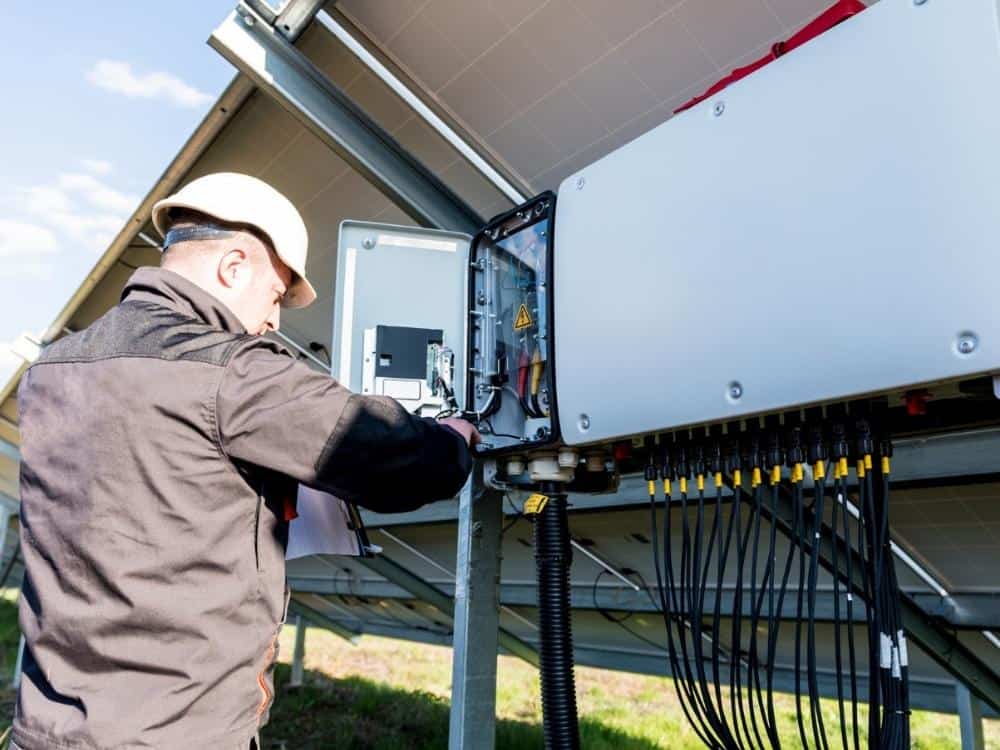
Inverters can contain hazardous voltages and may remain dangerous after shutdown. Solar panels can also produce electricity whenever they receive light, while batteries can deliver high current.
Use qualified professional assistance for:
If equipment is damaged, wet, unusually hot, or repeatedly displaying faults, isolate it only if it is safe to do so and seek qualified help.
Browse this section to compare inverter types, understand specifications, read product reviews, troubleshoot common issues, and plan safer solar and battery systems.
Start with your panel array, battery, loads, location, and backup goals. Then choose an inverter that meets the technical requirements and support expectations of the complete system.