
One of the challenges to efficiency with any electronic device is the dissipation of heat created during operation, as electronics operate more efficiently at cooler temperatures than at higher temperatures.
Solar inverters do get hot as any electrical device that utilizes electricity in any way will emit heat, and the solar inverter is no different. It converts current from DC to AC and transmits that to the house for use; some of the energy is released as heat and dissipated via heat sinks or fans.
- What causes solar inverters to get hot
- How does heat in a solar inverter affect performance
- Where to place your inverter to mitigate the effects of heat
Understanding why solar inverters get hot and how that heat impacts their output performance will allow you to install your inverter in the best location to ensure optimum performance.

Why Do Solar Inverters Get Hot?
In any electronic circuit, electrical resistance in the components results in electrical energy being converted to heat. As the current flows, the heat builds up and is usually removed from the device using heat sinks, fans, or a combination thereof.
Solar inverters convert DC to AC using a transformer and other components to deliver the final usable current to the load-connected appliances and devices. Significant heat can still be generated in the inverter during this process, even in cold weather.
Electronic devices have far greater operating efficiency at lower temperatures than higher ones, so manufacturers look to reduce and eliminate heat buildup. You don’t want excessive heat building up in your inverter as it will start to derate or lose output as the temperature increases.
The reason for this is that the hotter the device gets, the resistance in the circuits increases and lowers the output performance.
In cold weather or where heat is effectively removed, the inverter can achieve higher performance as the internal resistance decreases, allowing for higher output consistency.
How Does Heat Impact Your Solar Inverter’s Output?
Once the temperature reaches the ‘deration’ point, the output starts to diminish, which can rise by 0.5% loss per degree above the deration point.
As heat builds up inside the inverter enclosure, it can negatively affect the components and their materials. This will cause the inverter to start derating or reducing its power output as temperature control points are reached.
Most inverters are rated to 25°C (77°F) before they start derating or slowing down the power output to lessen the heat load and prevent damage to the internal components. For every 1 degree Celsius or approximately 2 degrees Fahrenheit that the temperature rises, the inverter’s capacity would drop by 0.5%
If your inverter experiences internal temperatures of 30°C, which is 5° above the threshold, your output will drop by around 2,5%. So if you have a 5kW PV system, this would be a loss of 125W of output.
Solar inverters use very high-quality semiconductors, and while these are pretty robust and sturdy, their internal components are vulnerable to heat.
Solder can crack when it expands under heat, the insulation would become brittle, and metal capacitor components can become weak and suffer fatigue, so heat dissipation must be effectively managed.
The advancements in inverters have allowed a greater tolerance for temperatures, and modern systems are rated to 45°C – 50°C ( 113122) before the inverter will start to ramp down power output.
How To Install My Inverter To Reduce Heat
Installing your inverter in the right place with good airflow and no other heat-emitting appliances in the vicinity will significantly assist in managing the heat generated during operation.
The placement of your inverter is a critical element in the system design, and your supplier or installer should be able to guide you on the best option when placing your inverter.
Remember that you don’t want the inverter too far from the batteries as this will add more cable cost to the installation and a longer cable also means a drop-off in current transmitted for use in the home.
Here are a couple of simple and easy tips to position your inverter so heat management doesn’t affect its performance.
- Don’t install the inverter in direct sunlight. If you place your inverter outside on a wall, ensure that it does not receive heat from the sun. This will only increase the internal temperature and affect the inverter’s performance.
- If you are going to install it outside, add shading or place it in a position where it is shaded during the day, or you can install a small roof or cover to deflect the solar heat.
- Install your inverter indoors and ensure good airflow through the space. Check the clearance distances between the base of the inverter and the wall and if you need to increase it to improve the airflow.
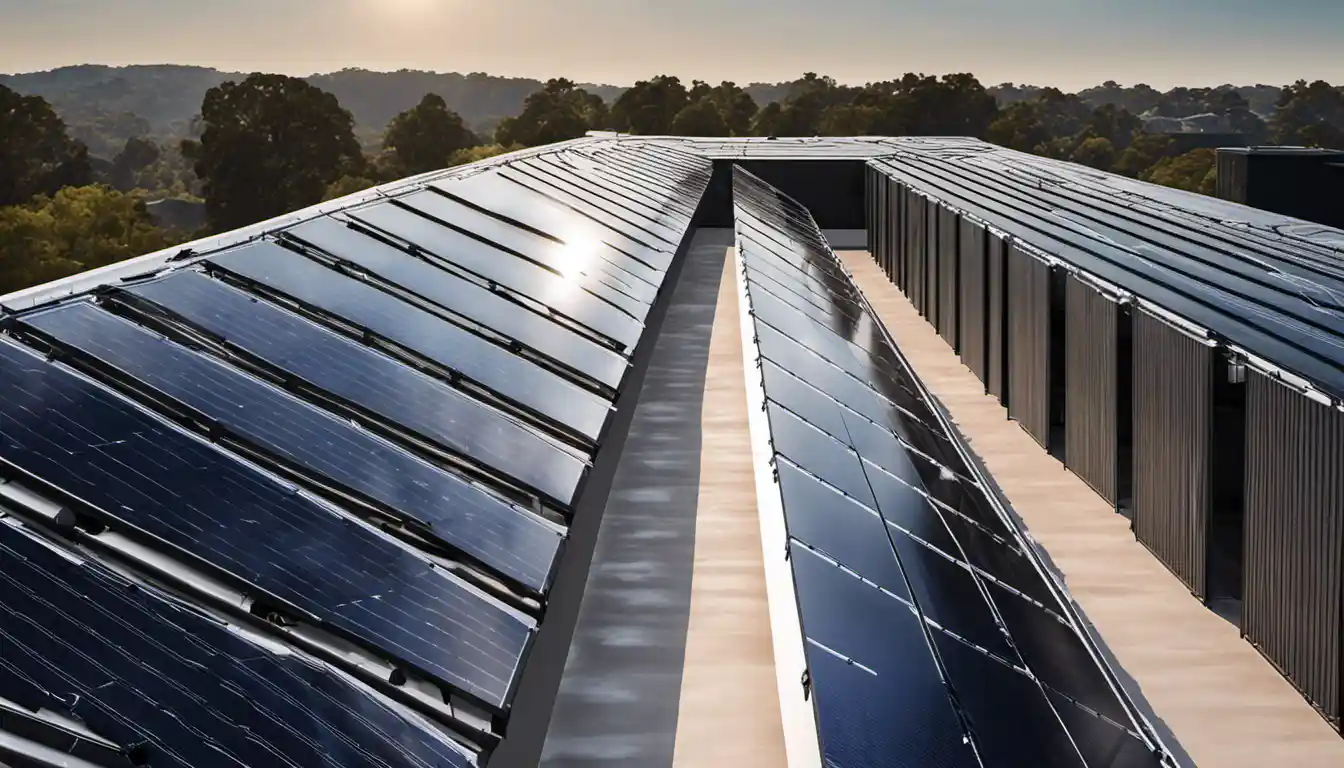
- Don’t install your inverter on the roof. Besides the exposure to direct sunlight, latent heat is also emitted from the roof material itself, which will increase the heat absorbed on the base of the inverter.
- Keep the distance between the inverter and other inverters or heat-generating appliances at the minimum required distance. If possible, more so that the heat generated has plenty of space to dissipate.
- If there are multiple inverters or additional appliances, you could use a fan or an air conditioner to maintain an optimal operating environment.
- Arrange multiple inverters so none of them can draw heat from adjacent ones, and you can do this by offsetting inverters that are passively cooled to allow maximum heat dissipation.
- Planning the placement of your inverter to avoid the risk or derating will extend the life of your inverter and ensure that you don’t suffer from power loss due to deration, which gives you great peace of mind in the security of your investment.
Since solar inverters can get quite hot, it is critical to ensure that you purchase a good quality unit and check the operating temperature range.
While your actual temperatures in your location may never get to the 113 range, it would be better to have an inverter that has high-temperature thresholds.
Resources