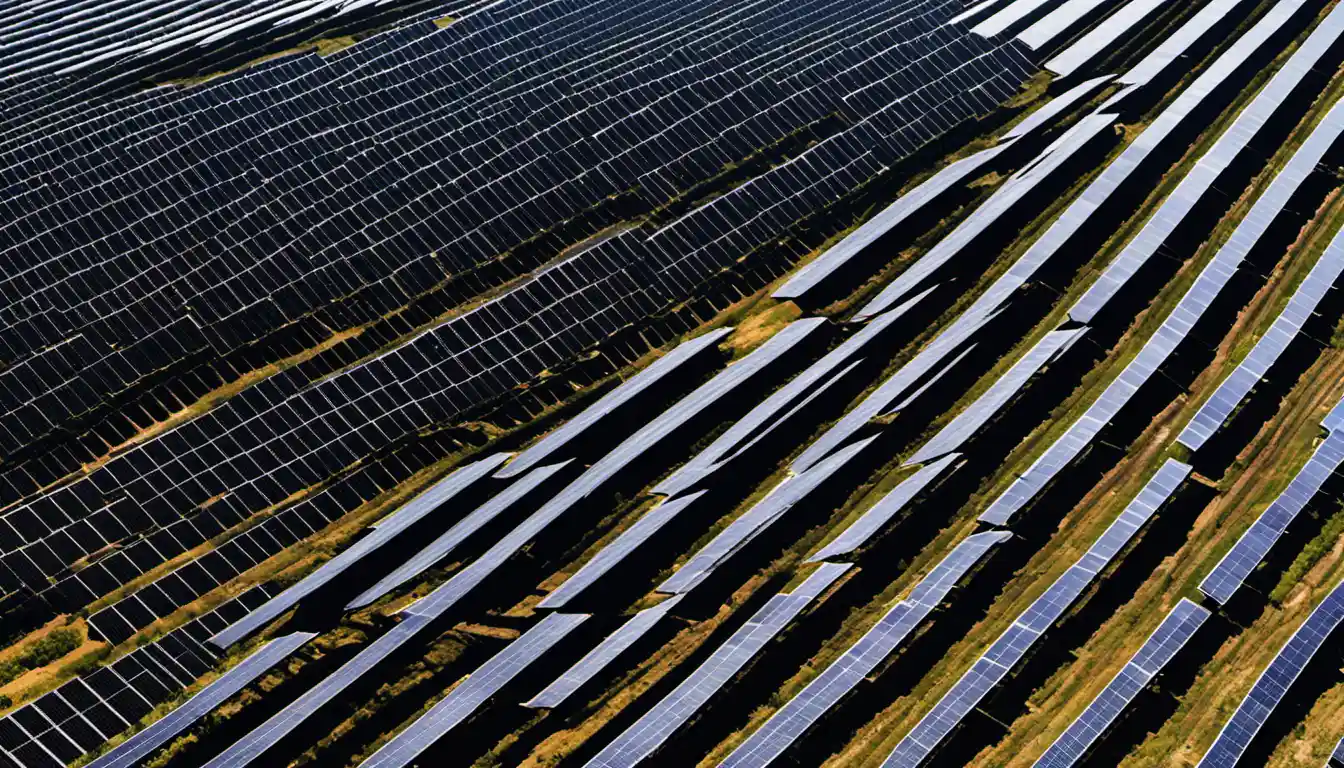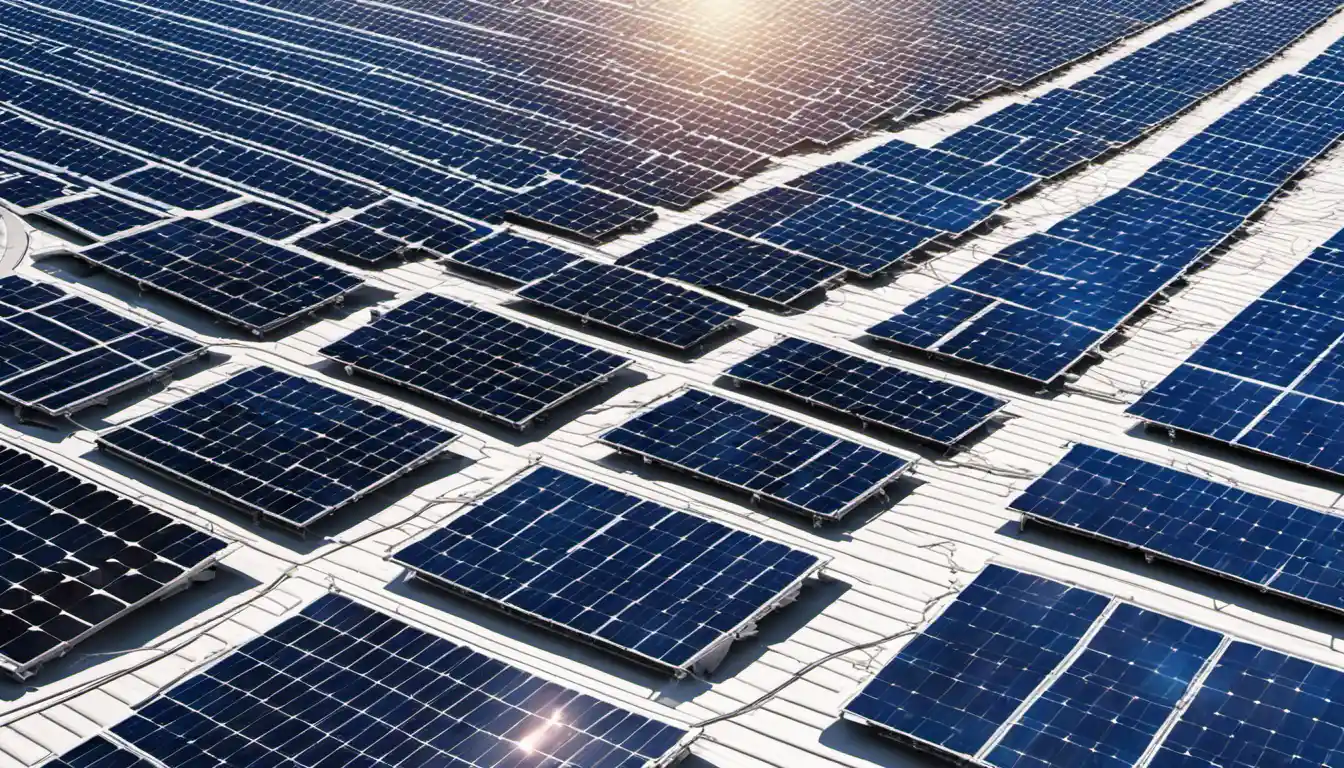
Choosing solar equipment can be difficult when products use different specifications, technologies, warranties, and pricing models. The Solvoltaics Products section helps you compare solar products by explaining what they do, where they fit, and which details matter before you buy.
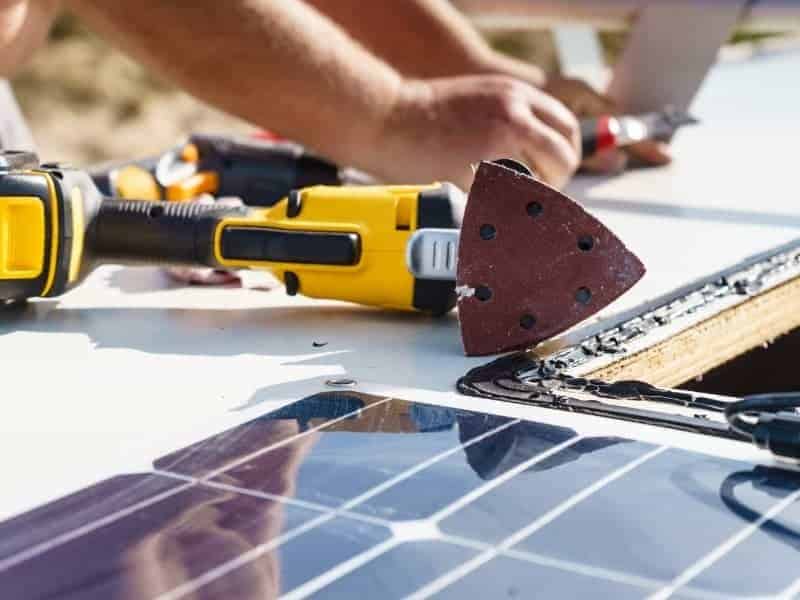
Explore product reviews, comparisons, buying guides, and practical advice covering panels, batteries, inverters, charge controllers, portable power systems, mounting equipment, solar lights, pumps, fans, chargers, and other related products.
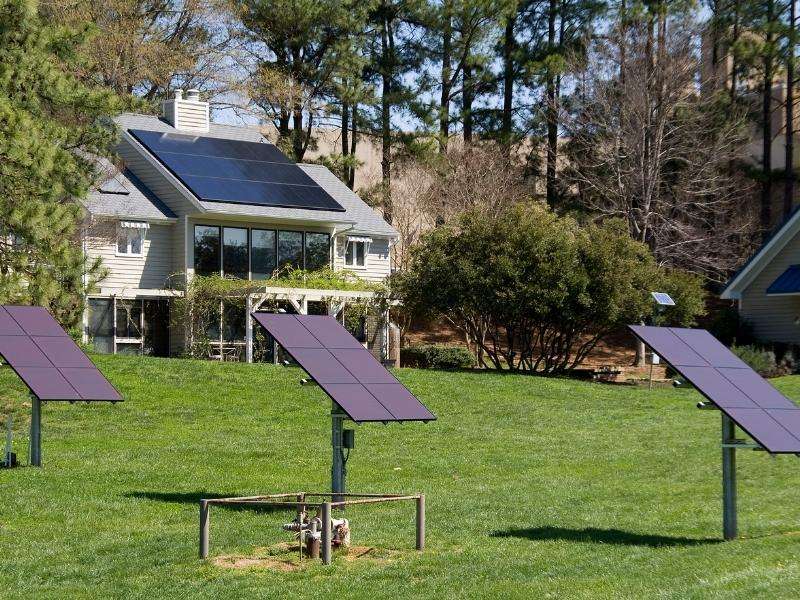
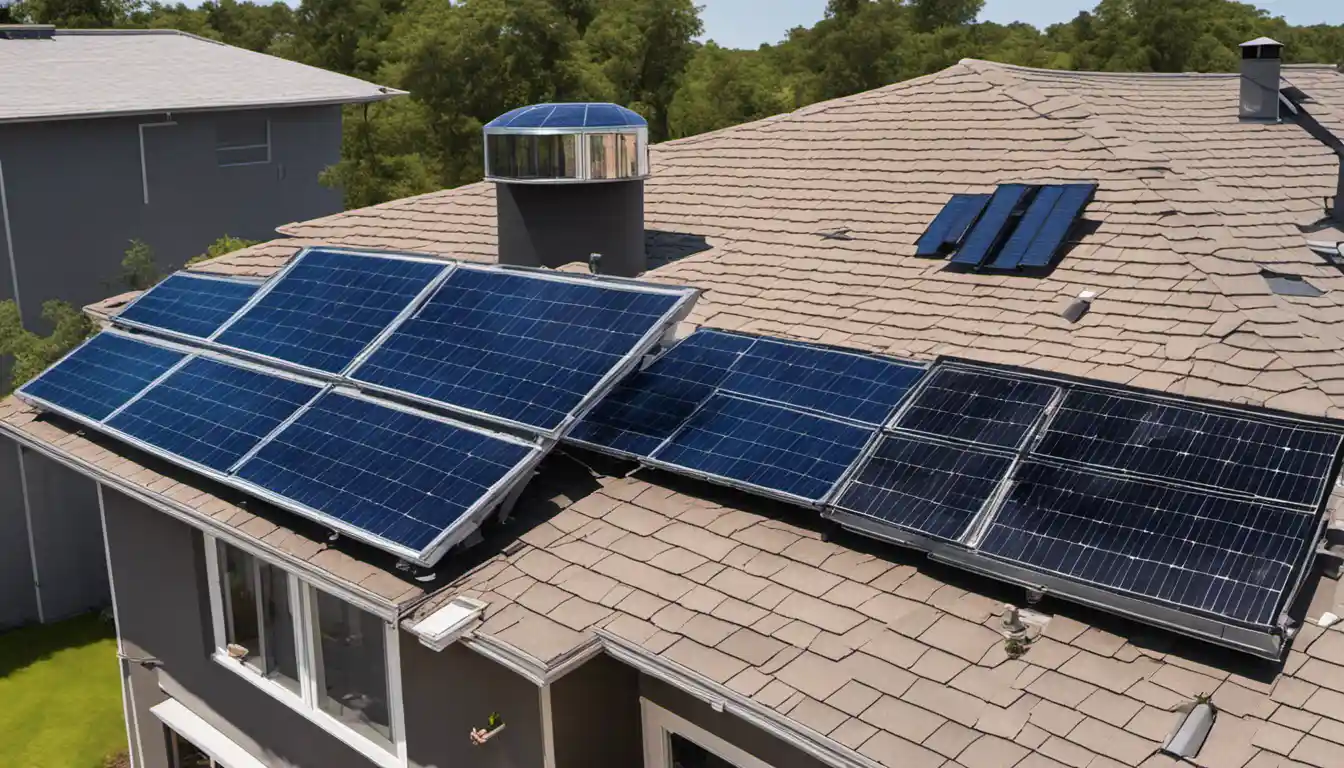
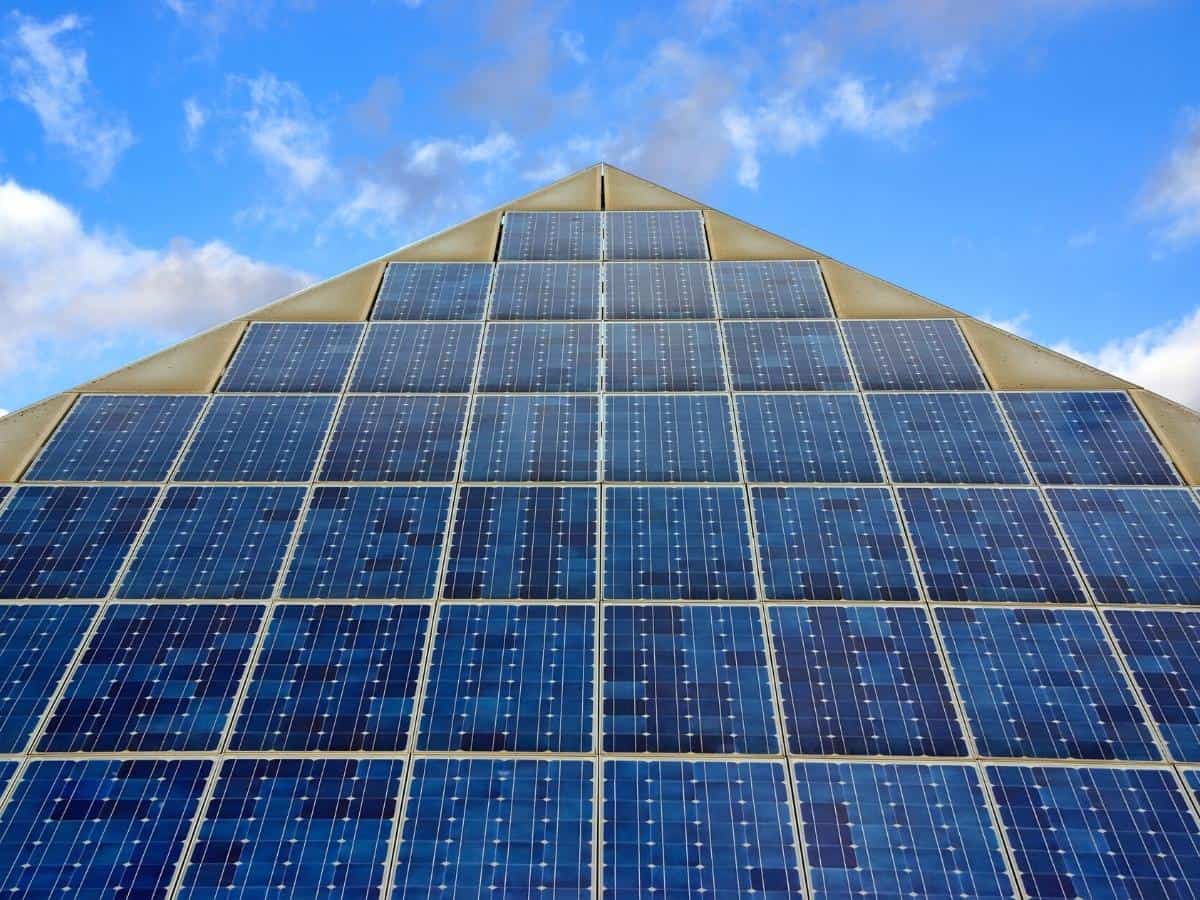
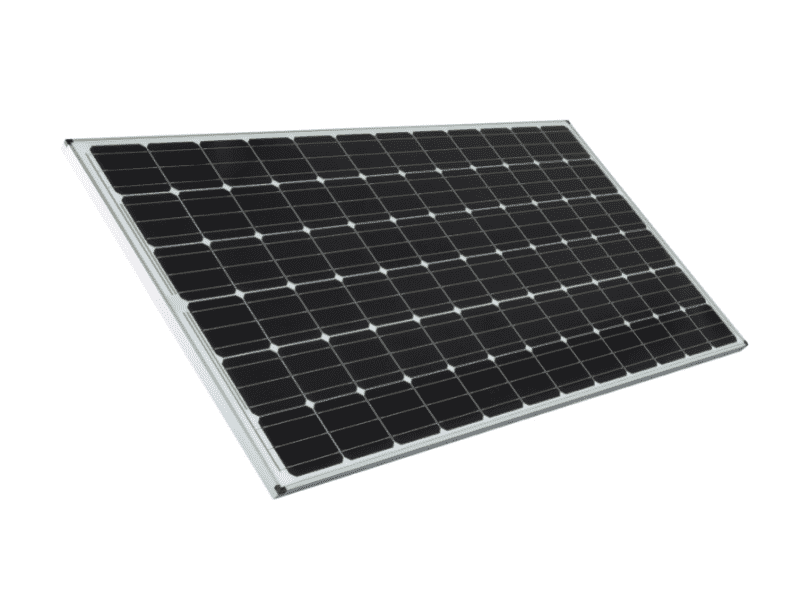
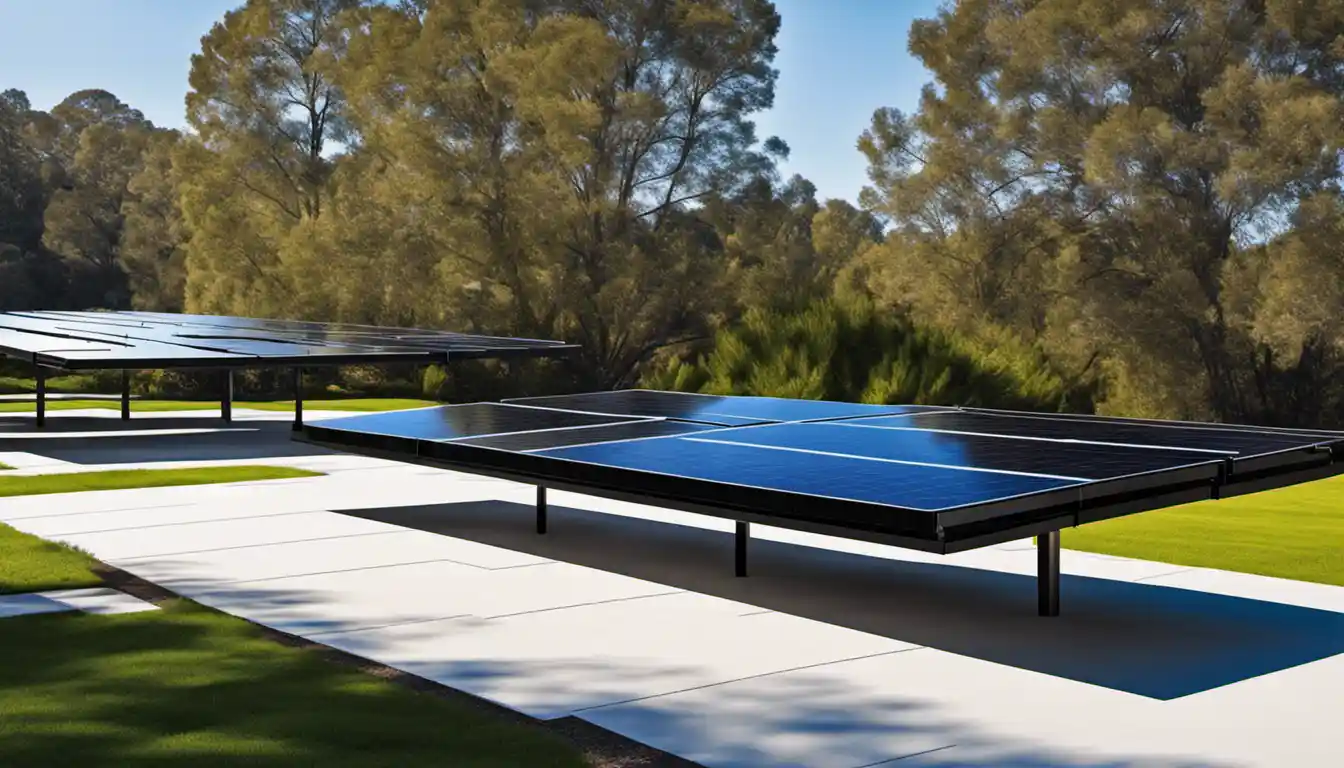
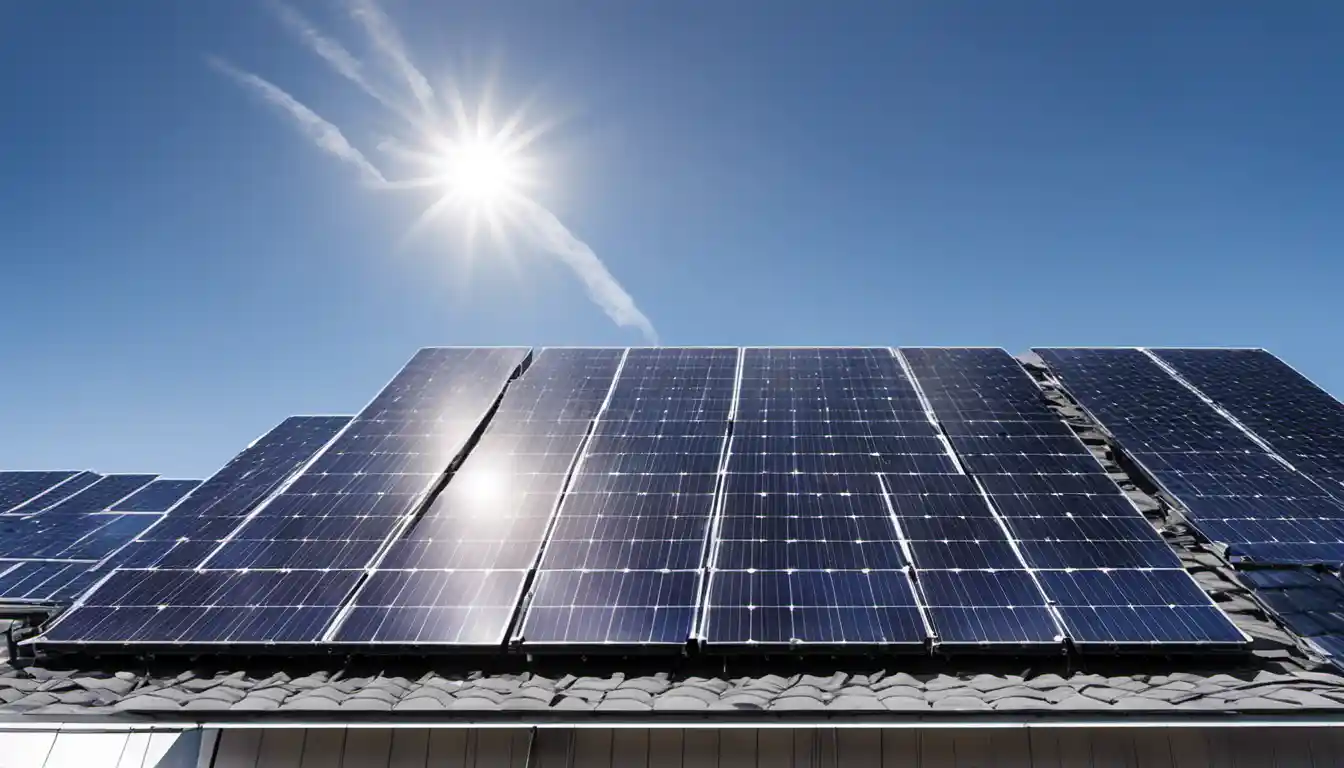
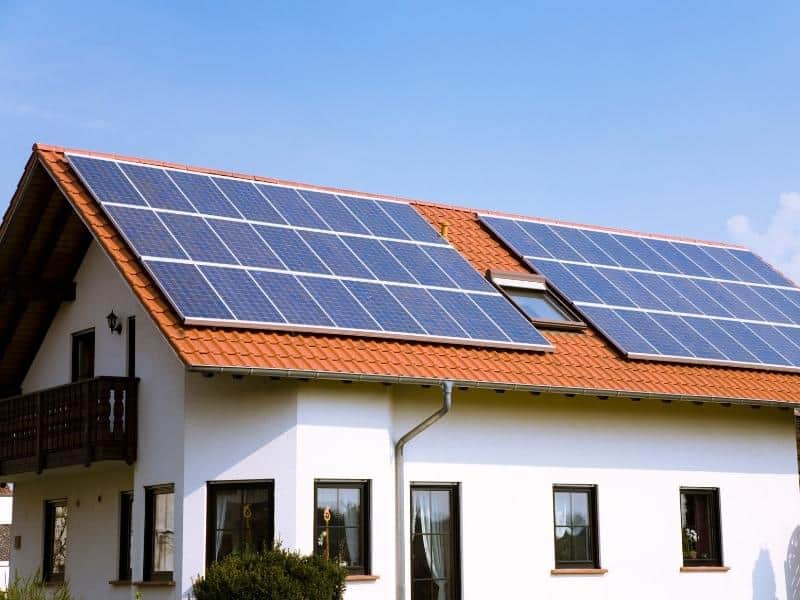
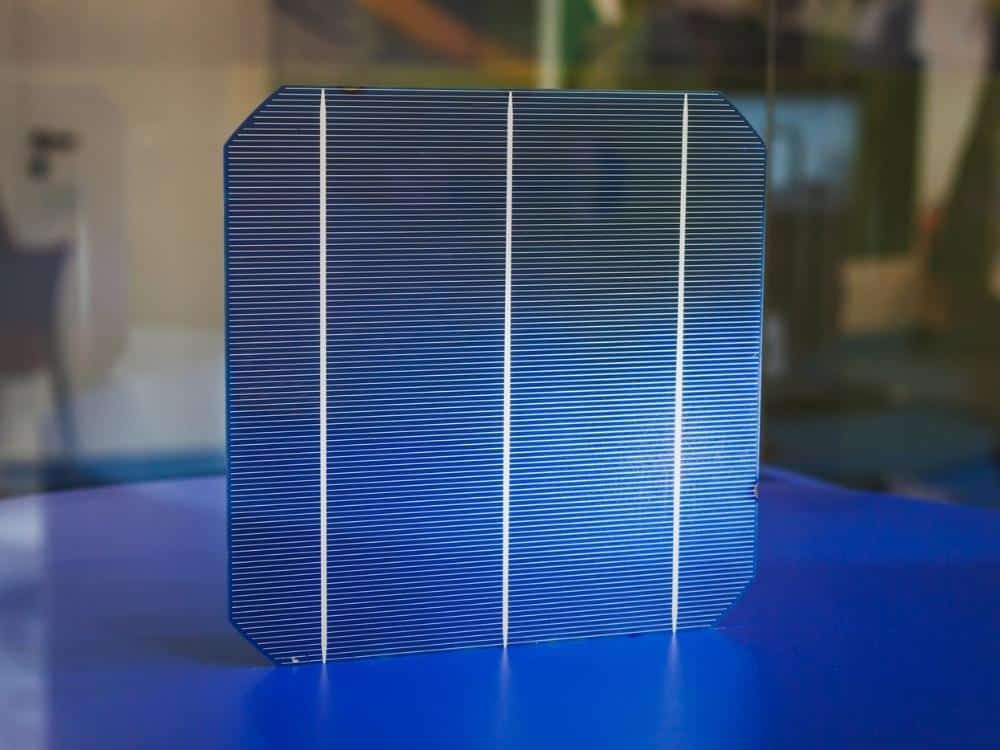
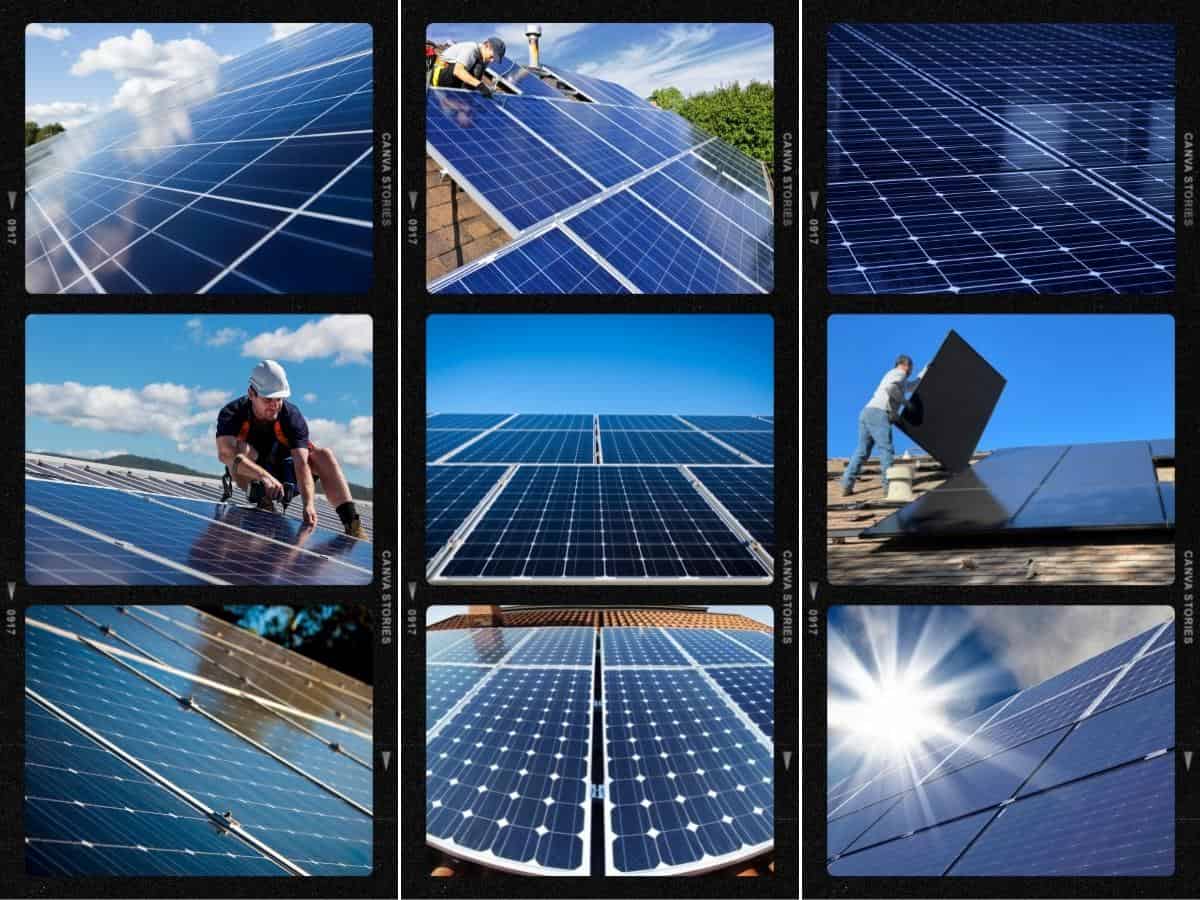
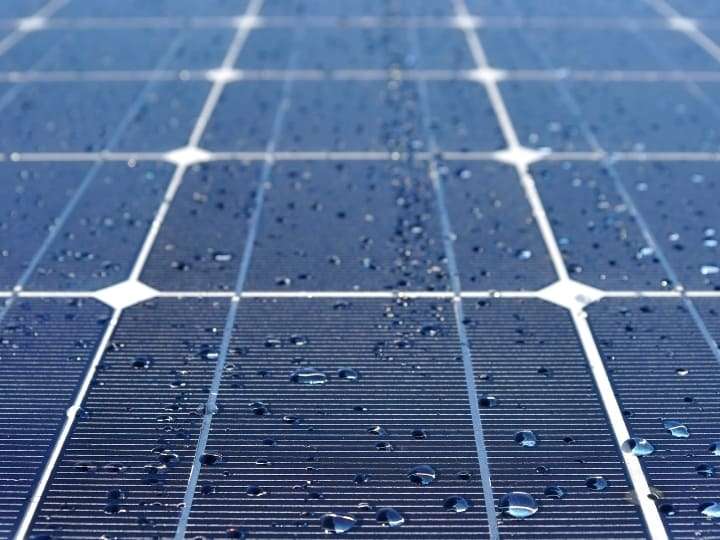
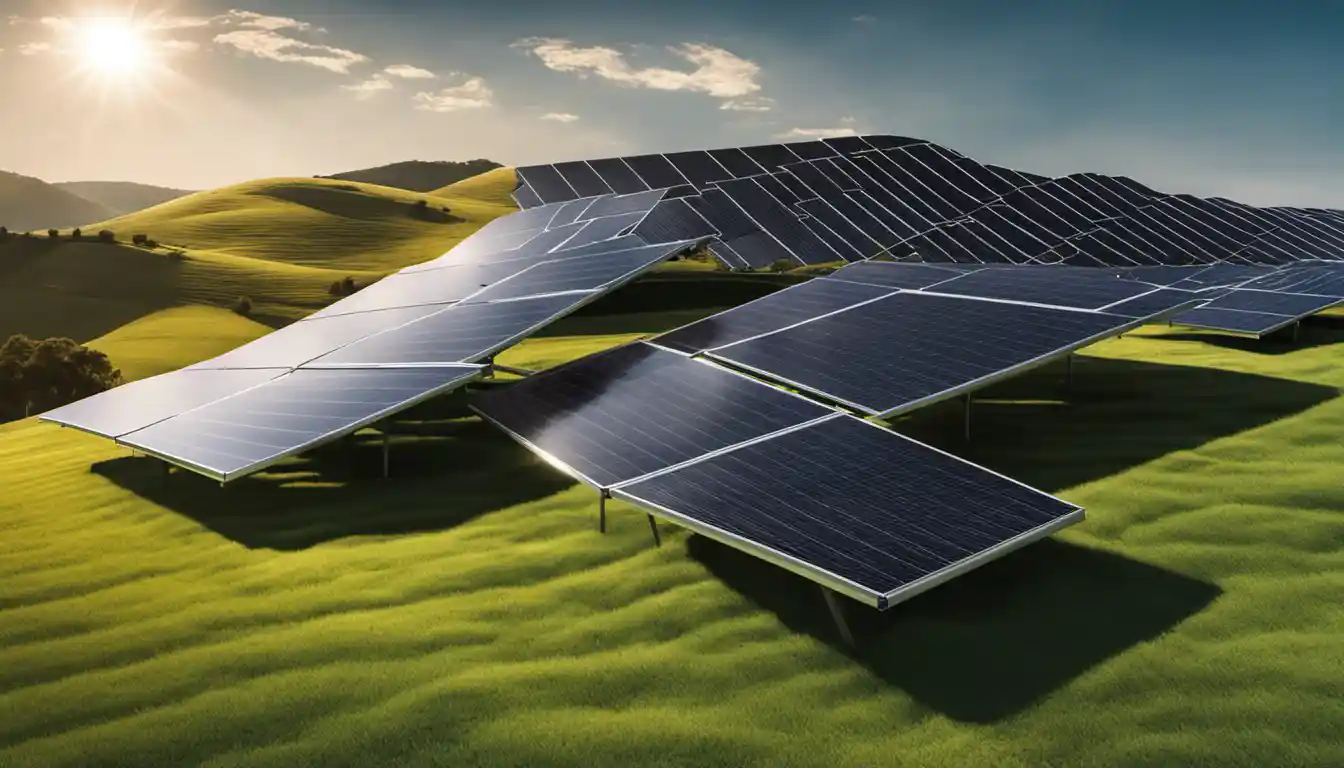
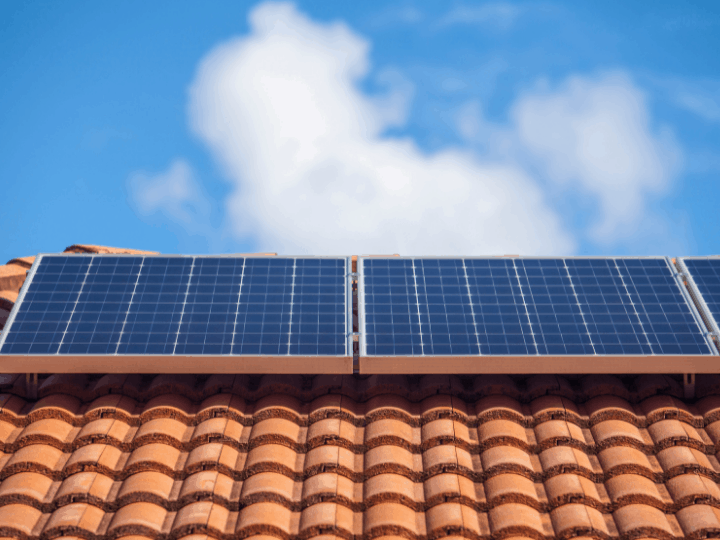
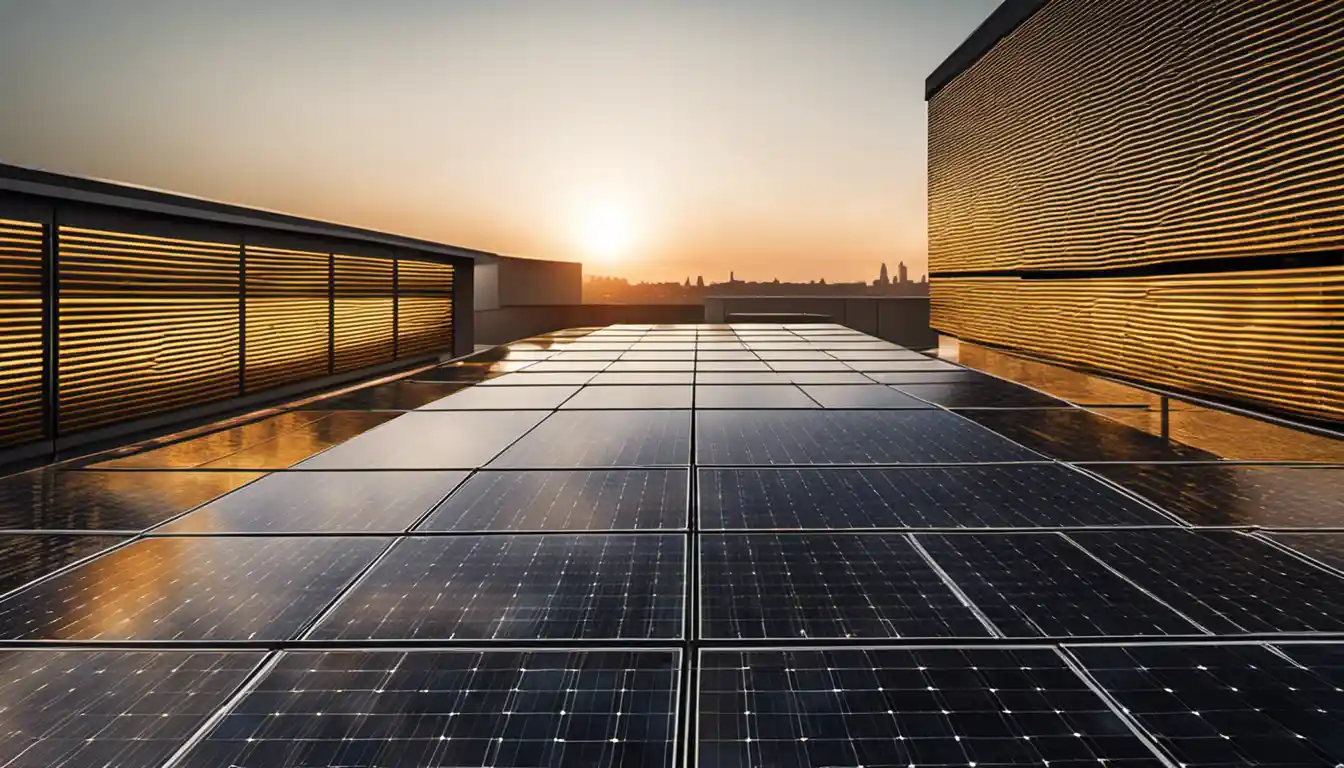
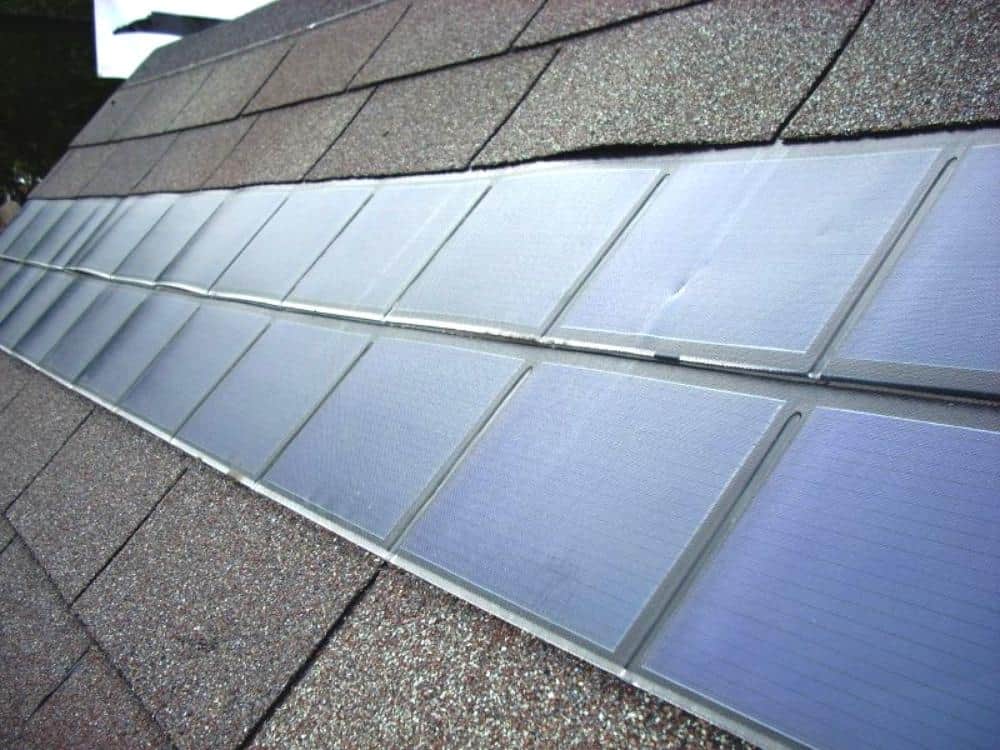
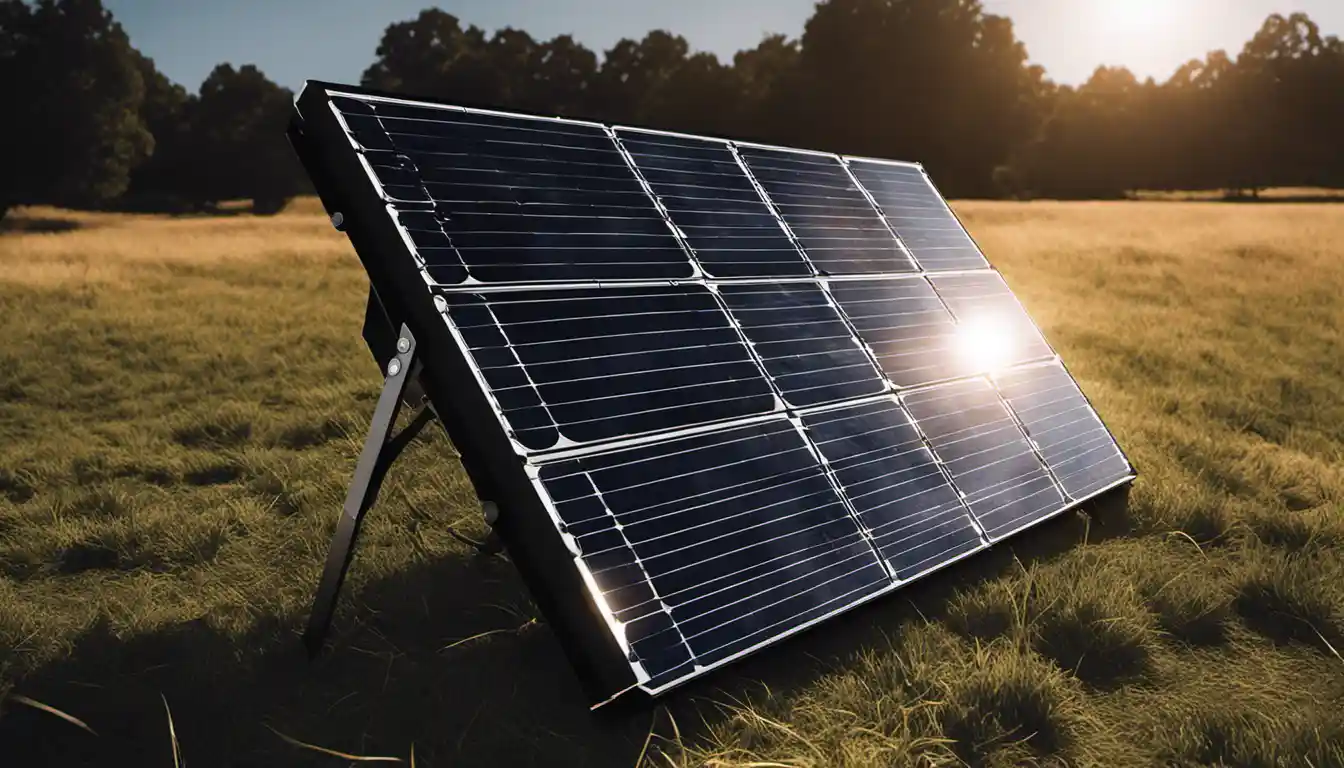
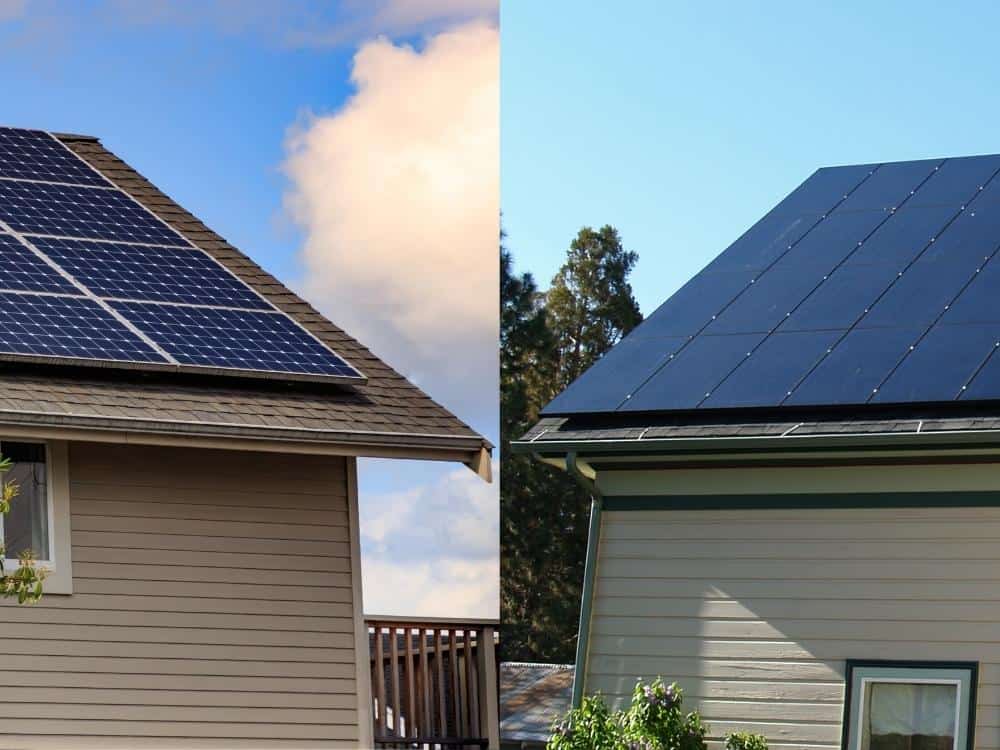
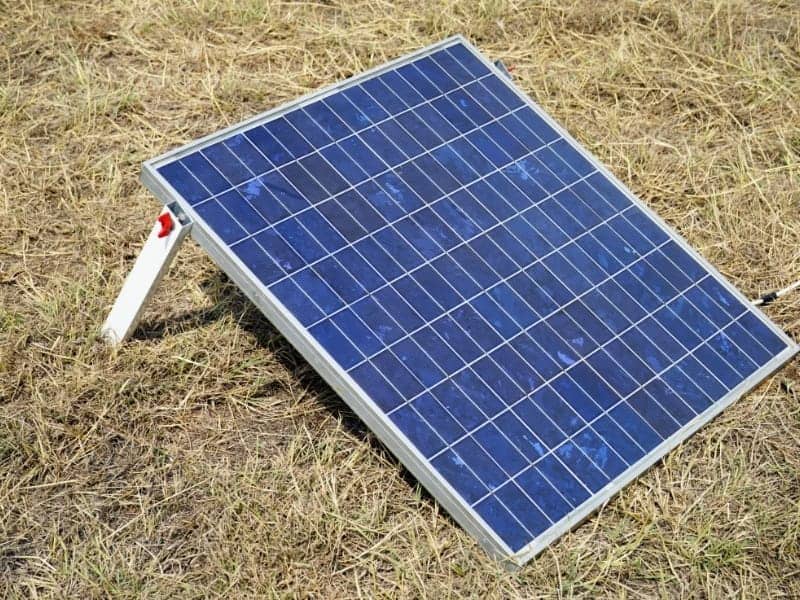
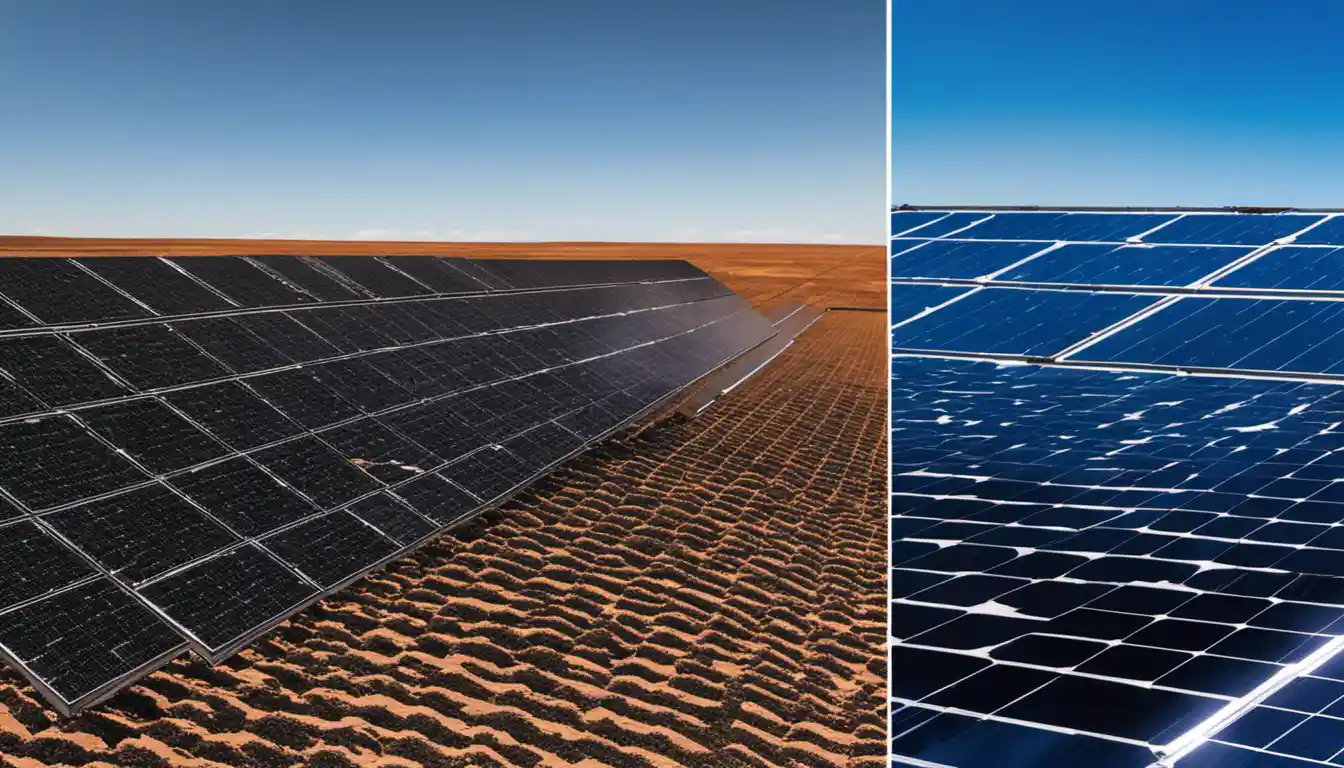
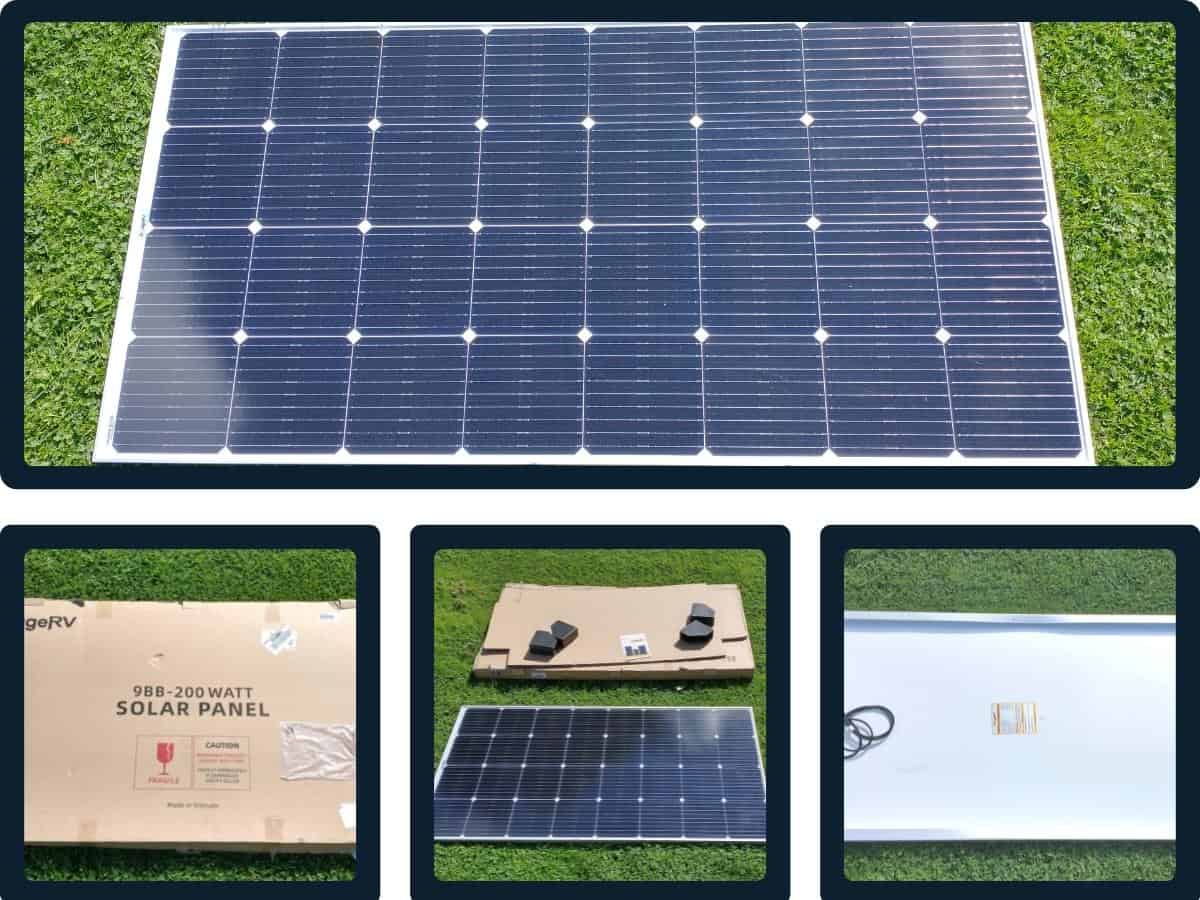
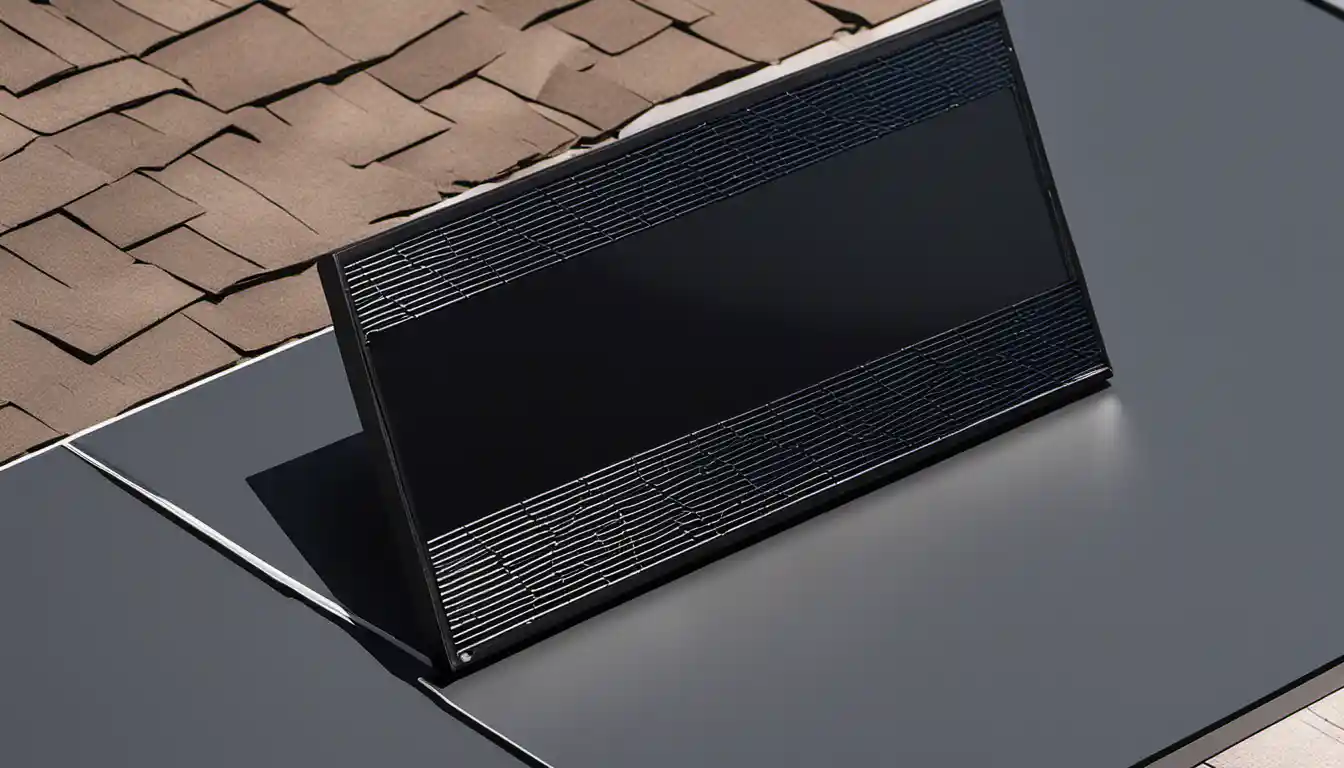
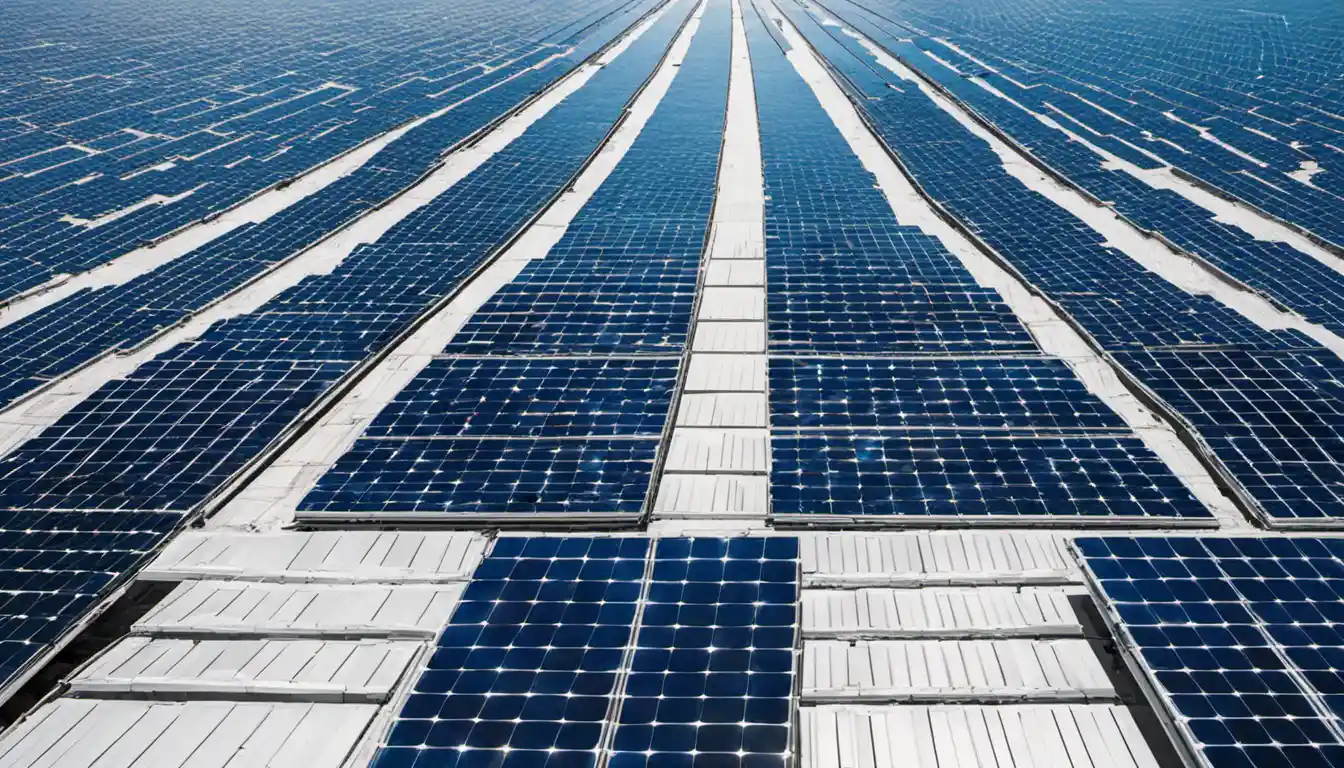
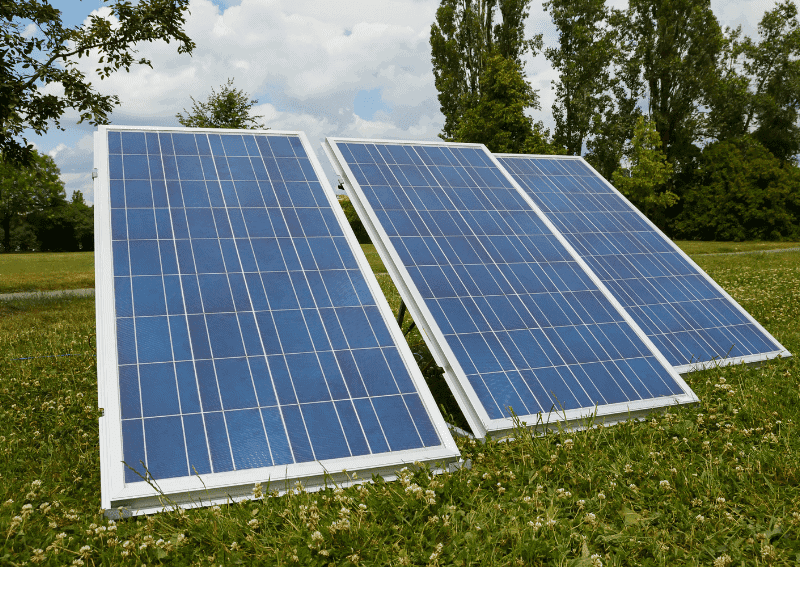
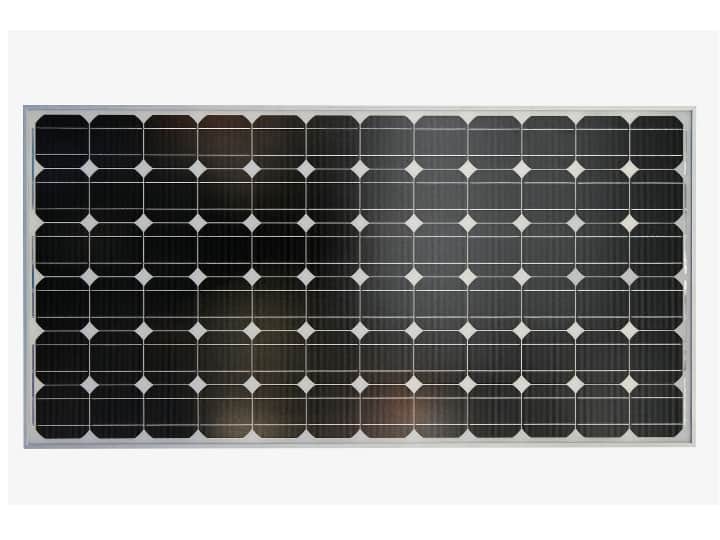
Compare solar panels by:
A higher efficiency rating may be useful where space is limited, but price, durability, warranty, temperature response, and installation conditions also affect value.
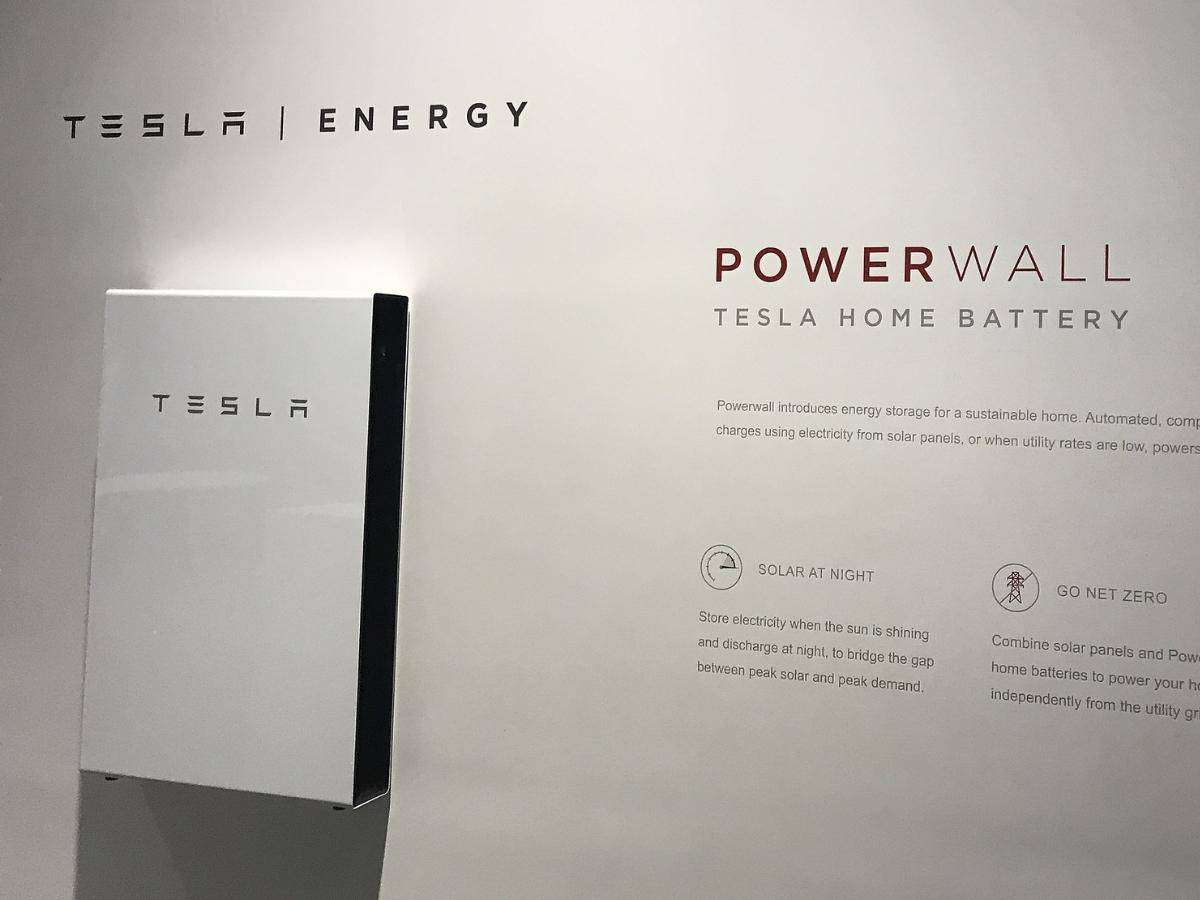
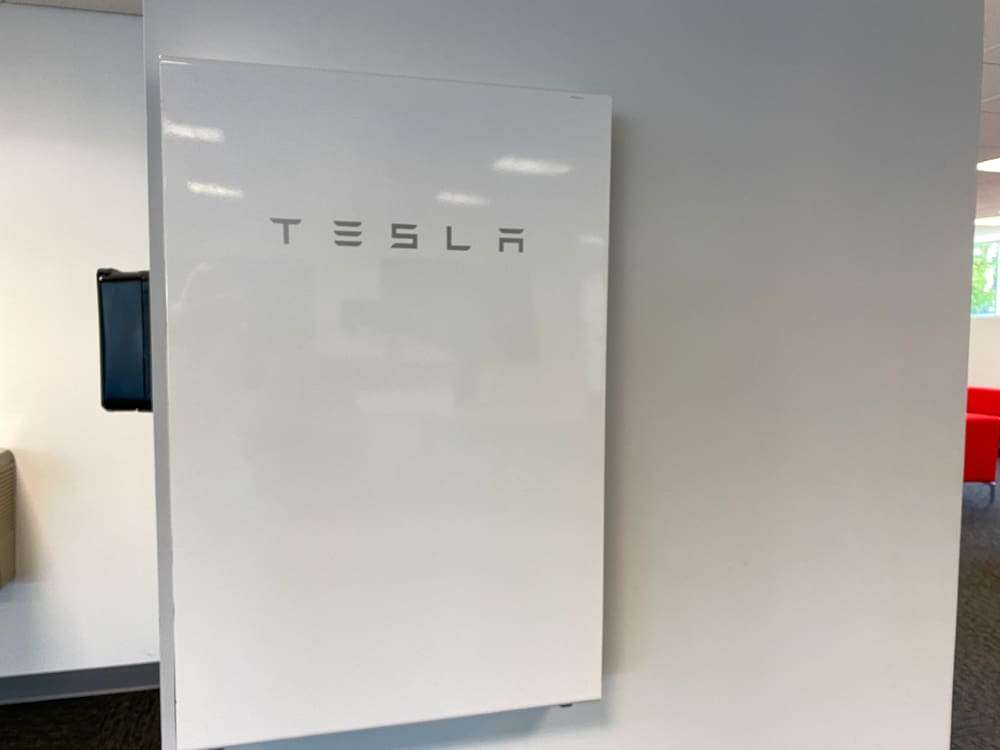
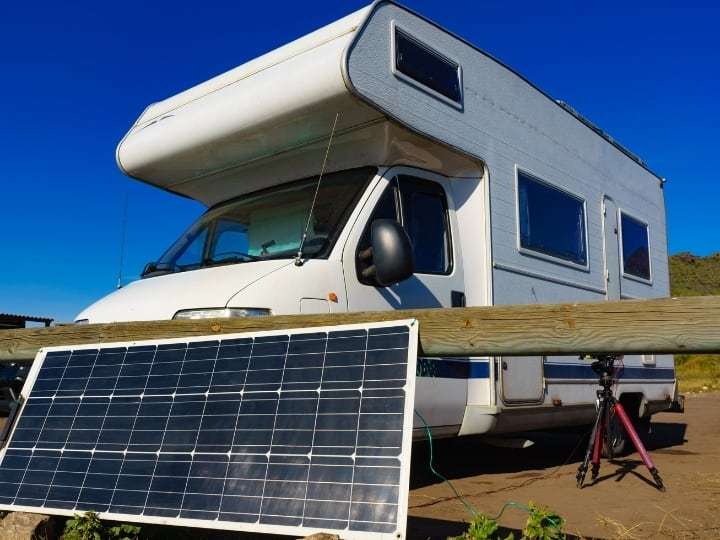
Explore batteries for home storage, backup power, RVs, camping, and off-grid systems.
Our content may examine:
Choose capacity and power based on your actual energy use and intended loads rather than relying on the largest advertised number.
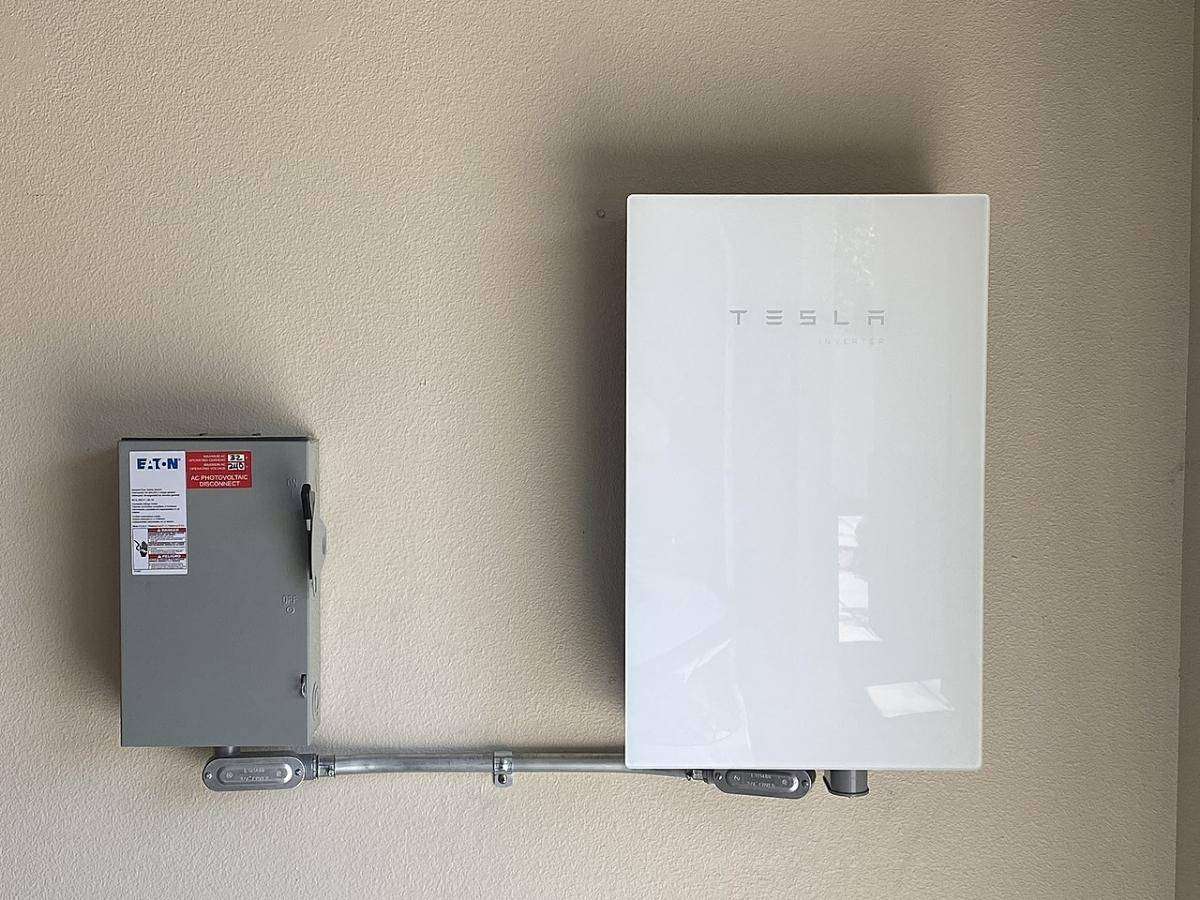
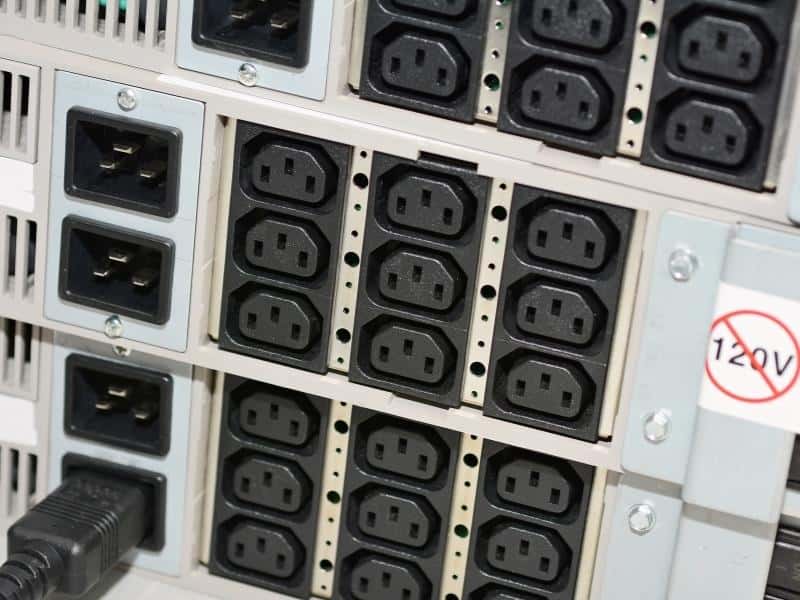
Compare grid-tied, hybrid, off-grid, microinverter, and portable inverter systems by:
The right inverter must match the panels, batteries, appliances, grid connection, and installation design.
Charge controllers regulate electricity from solar panels to batteries. Guides in this category cover MPPT and PWM models, system sizing, wiring, battery profiles, monitoring, protection, and common faults.
Check the controller’s maximum input voltage, current rating, battery compatibility, temperature range, and expansion capacity before buying.
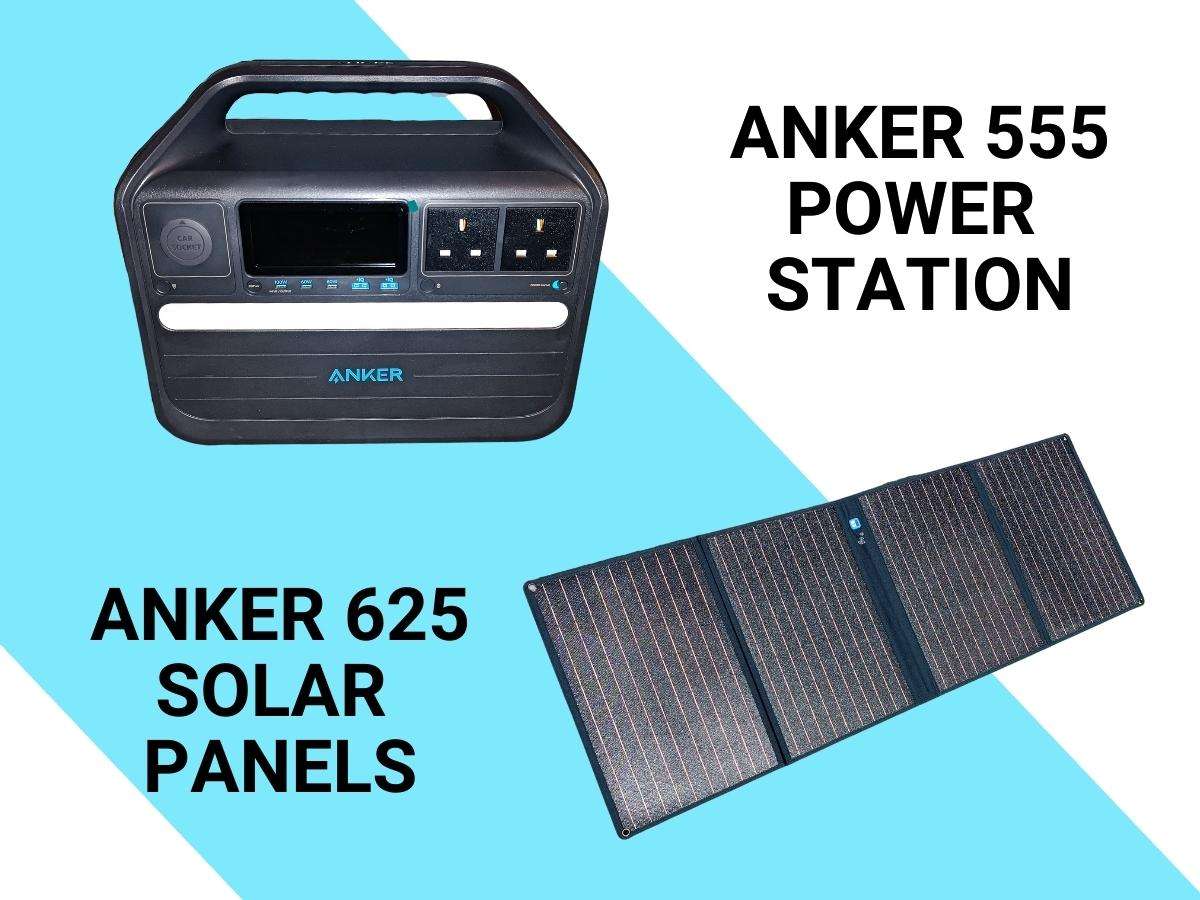
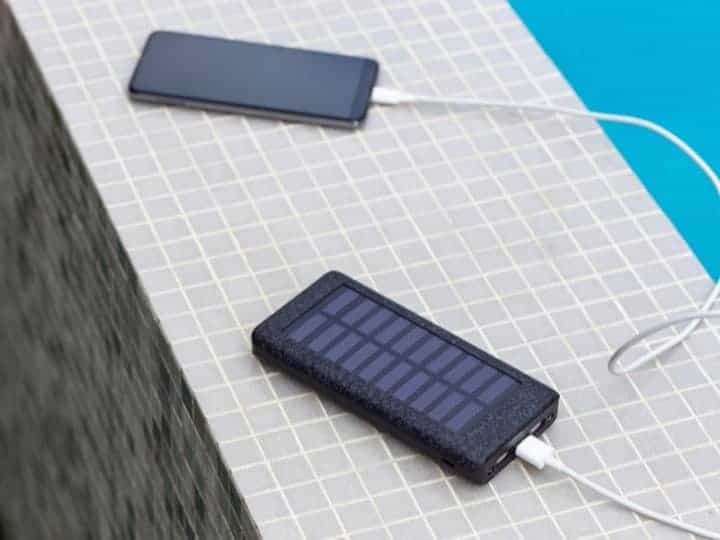
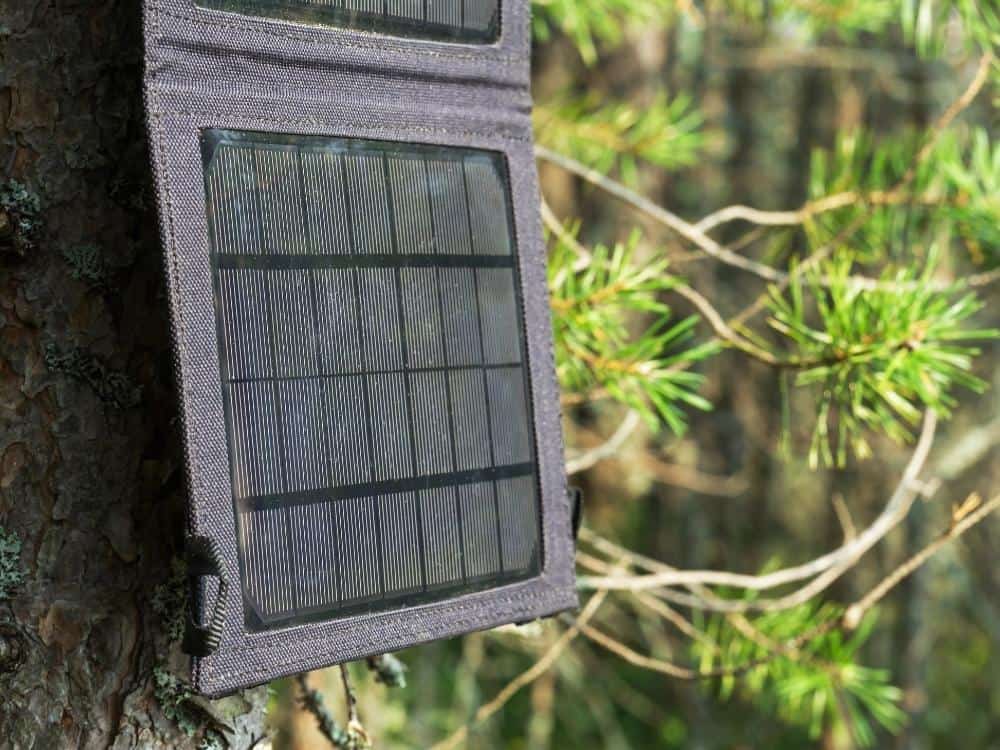
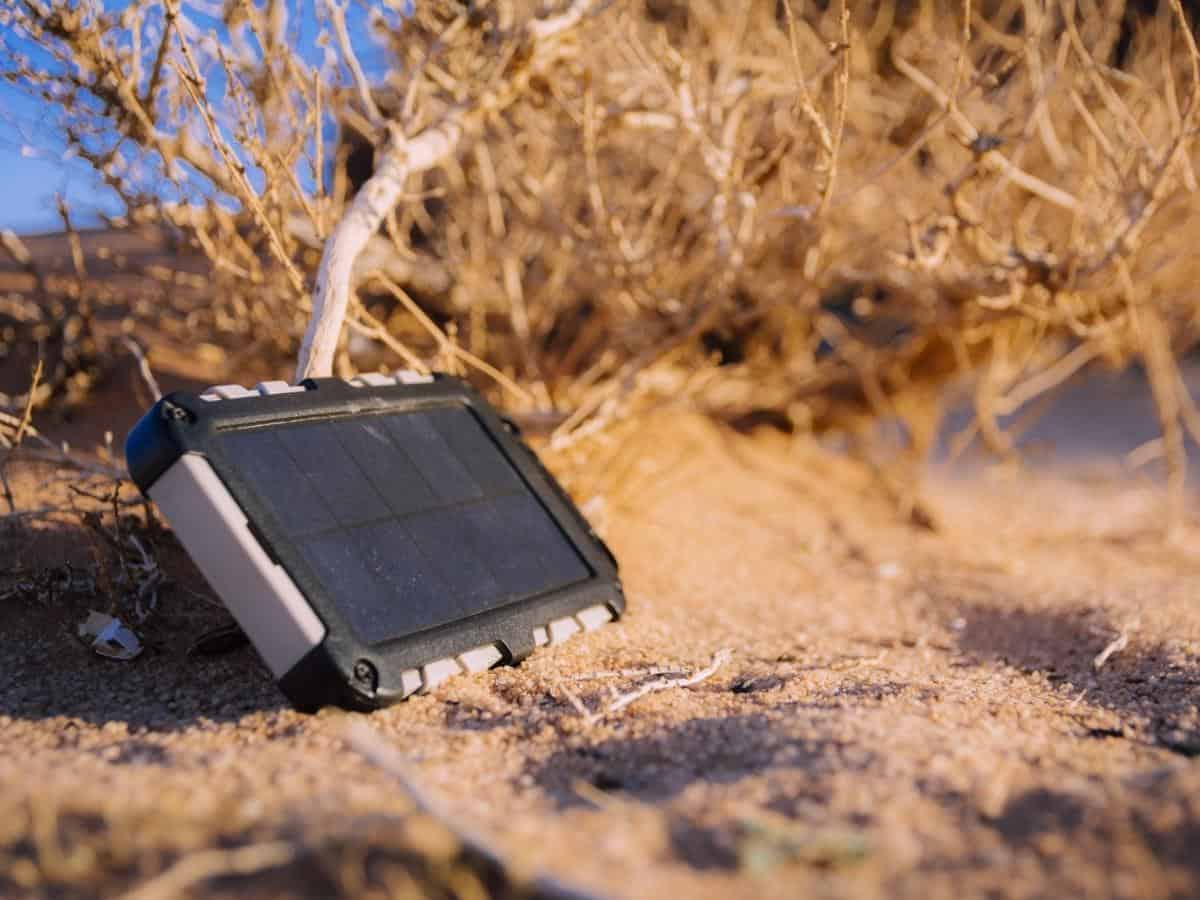
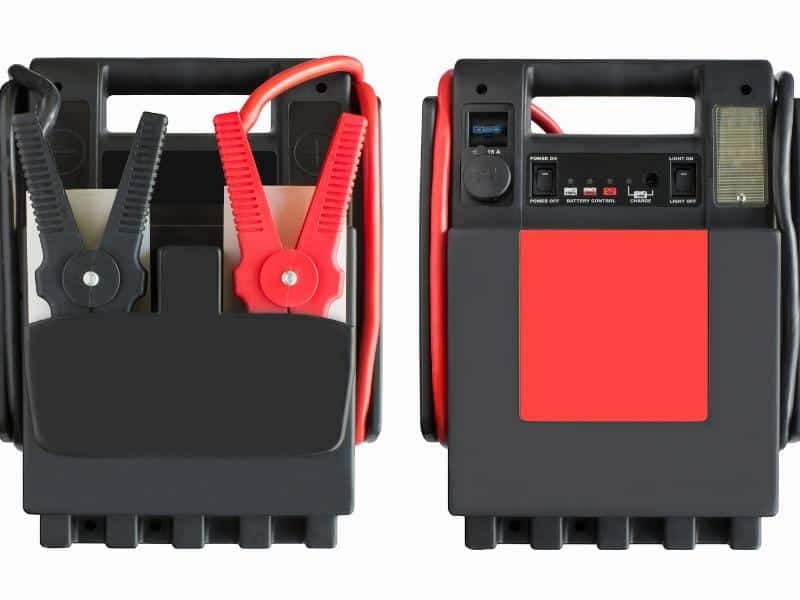
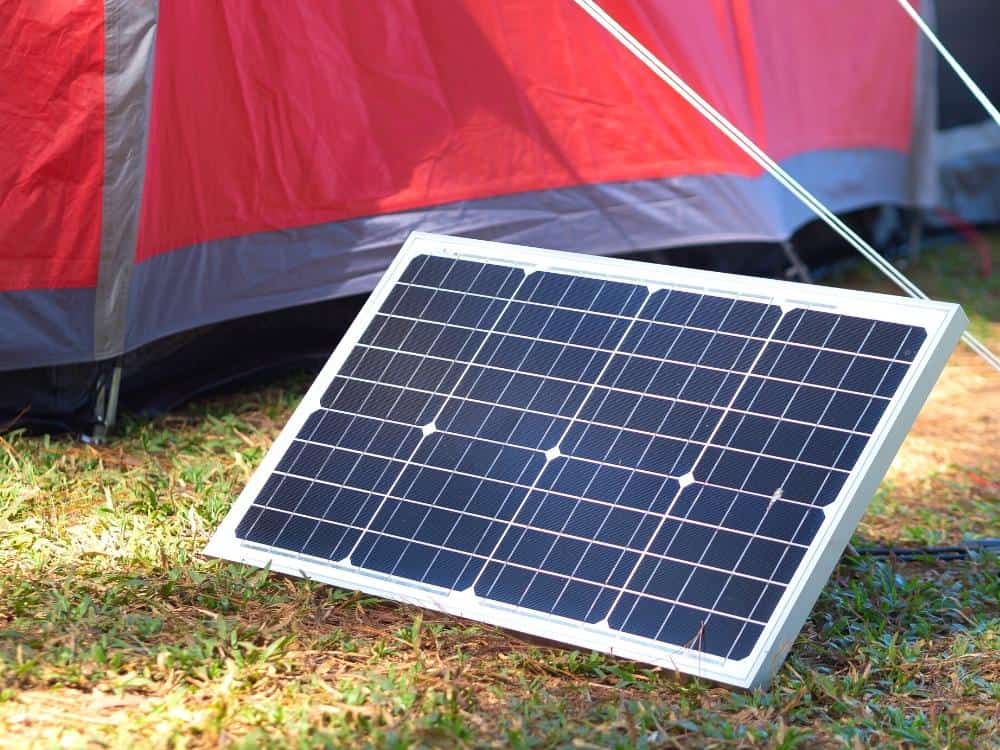
Portable power stations combine batteries, inverters, charging inputs, and output ports for camping, travel, emergencies, and temporary power.
Compare:
A larger capacity does not automatically mean longer runtime if the connected load is also high.
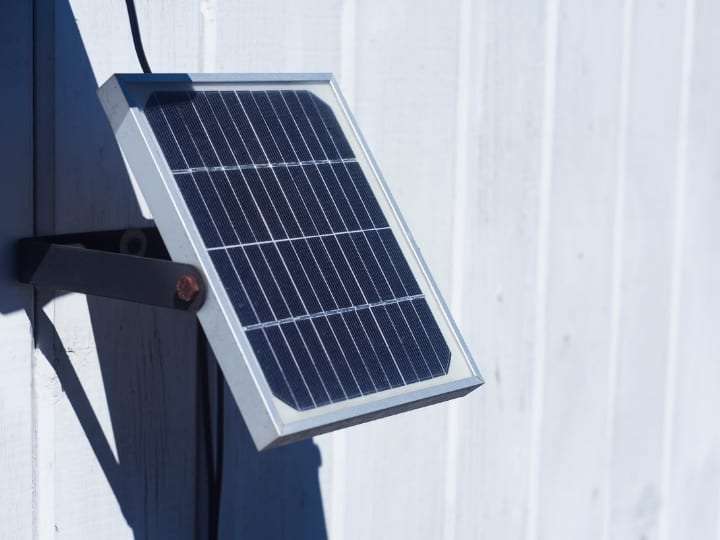
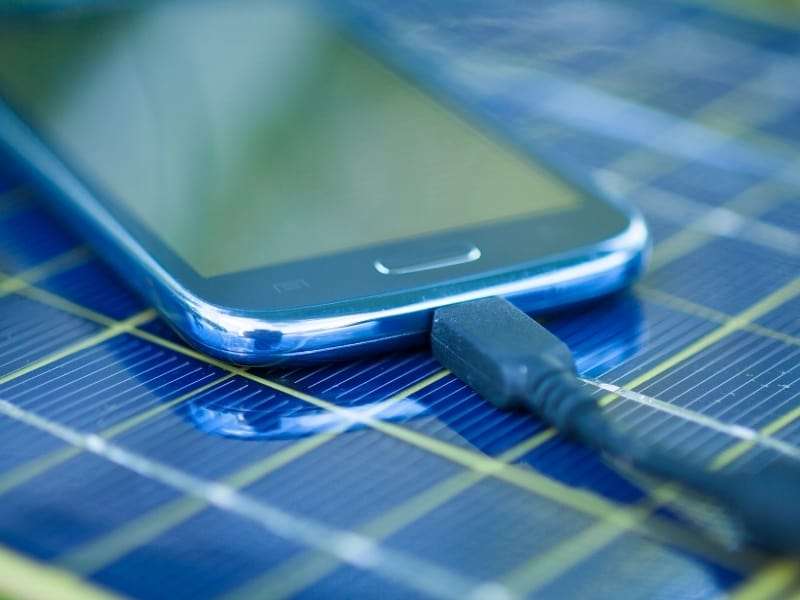
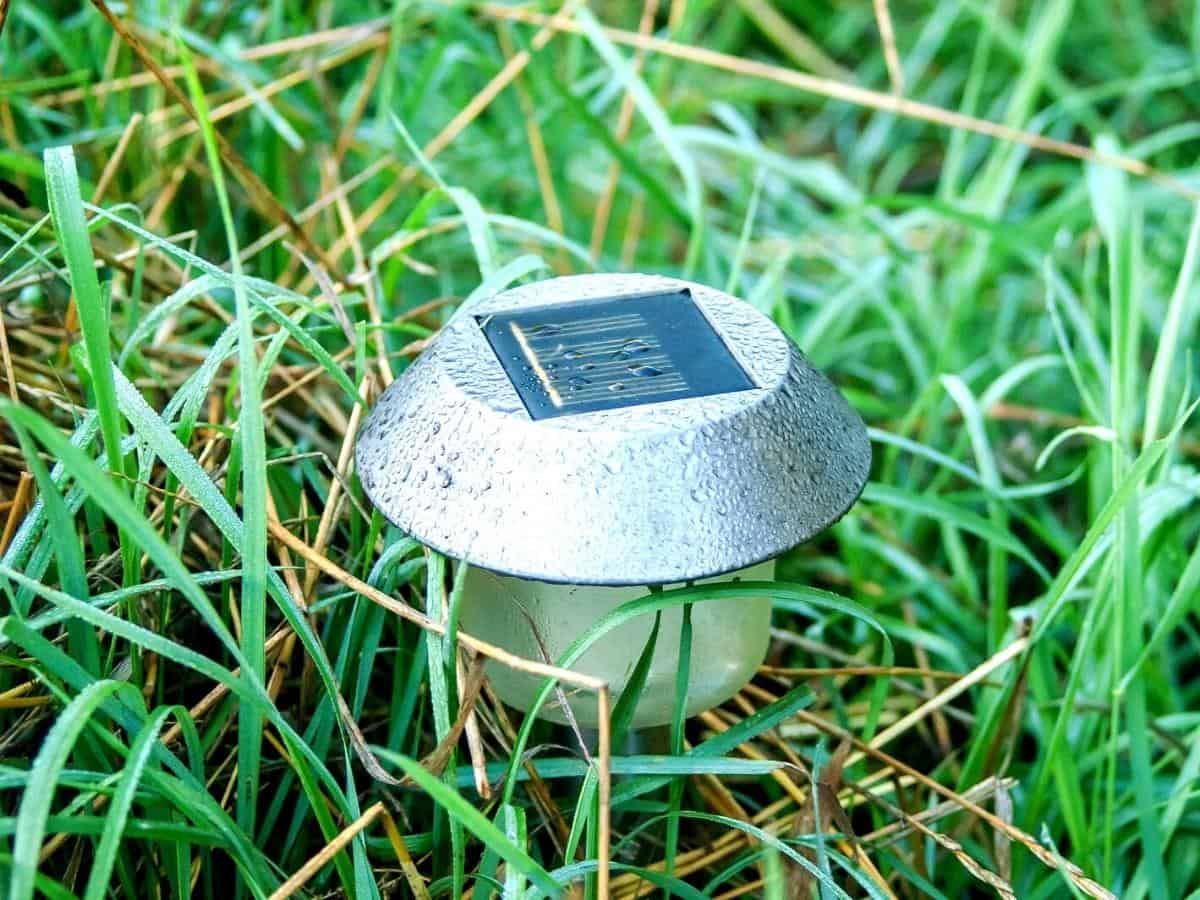
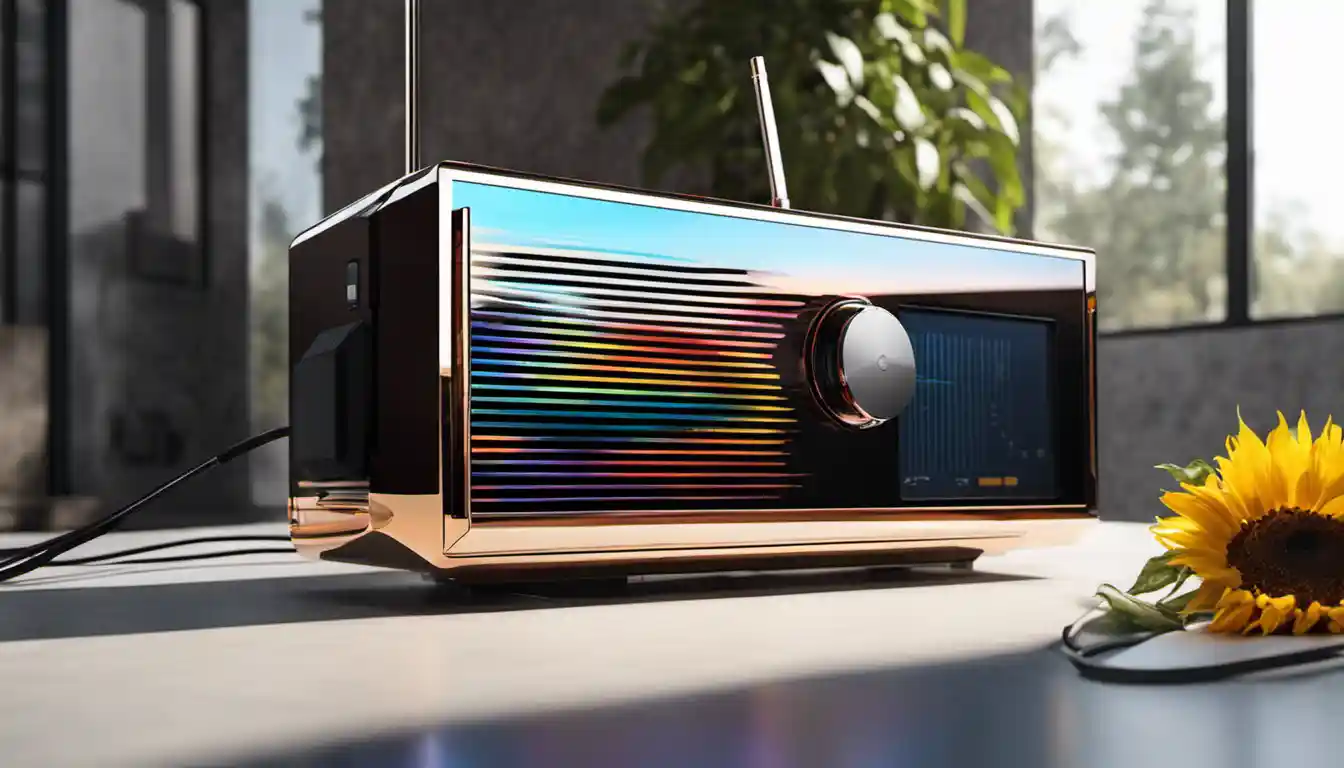
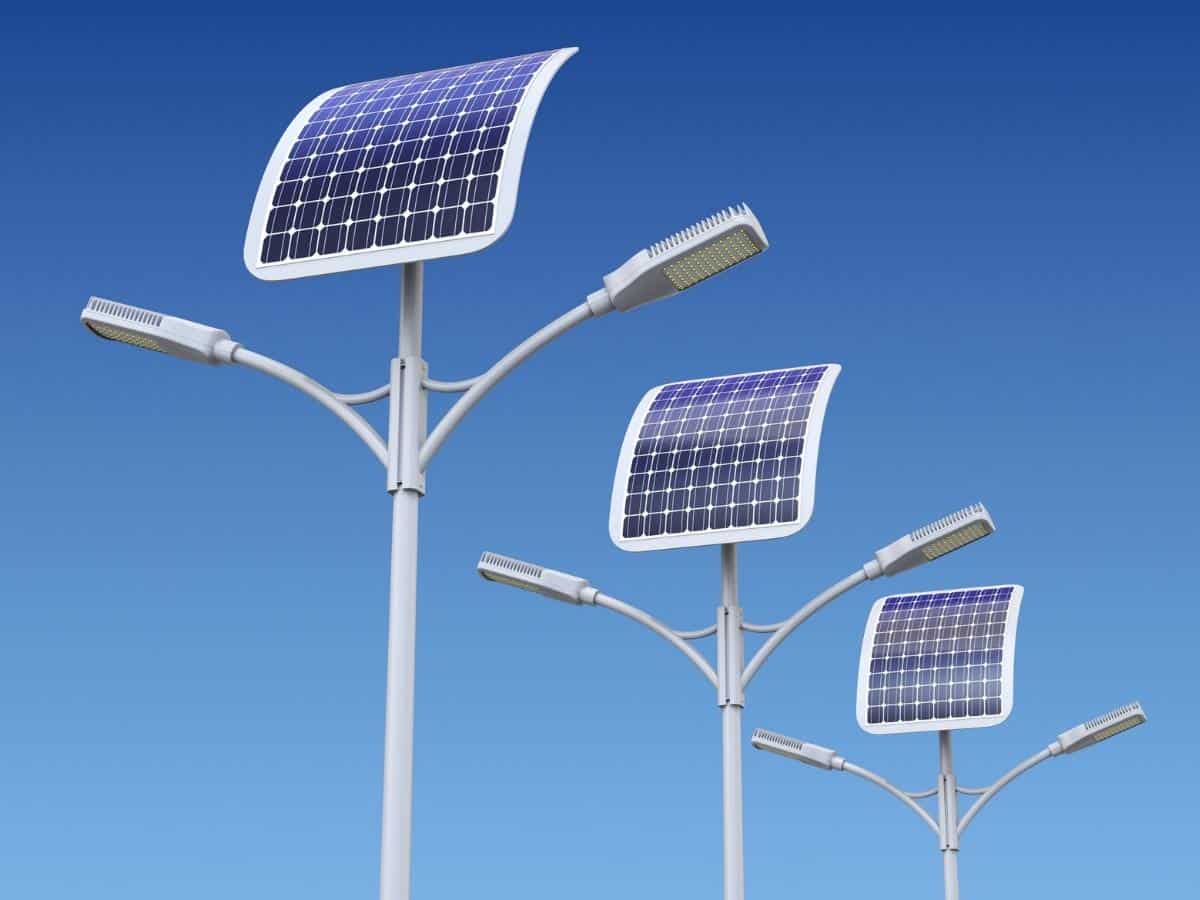
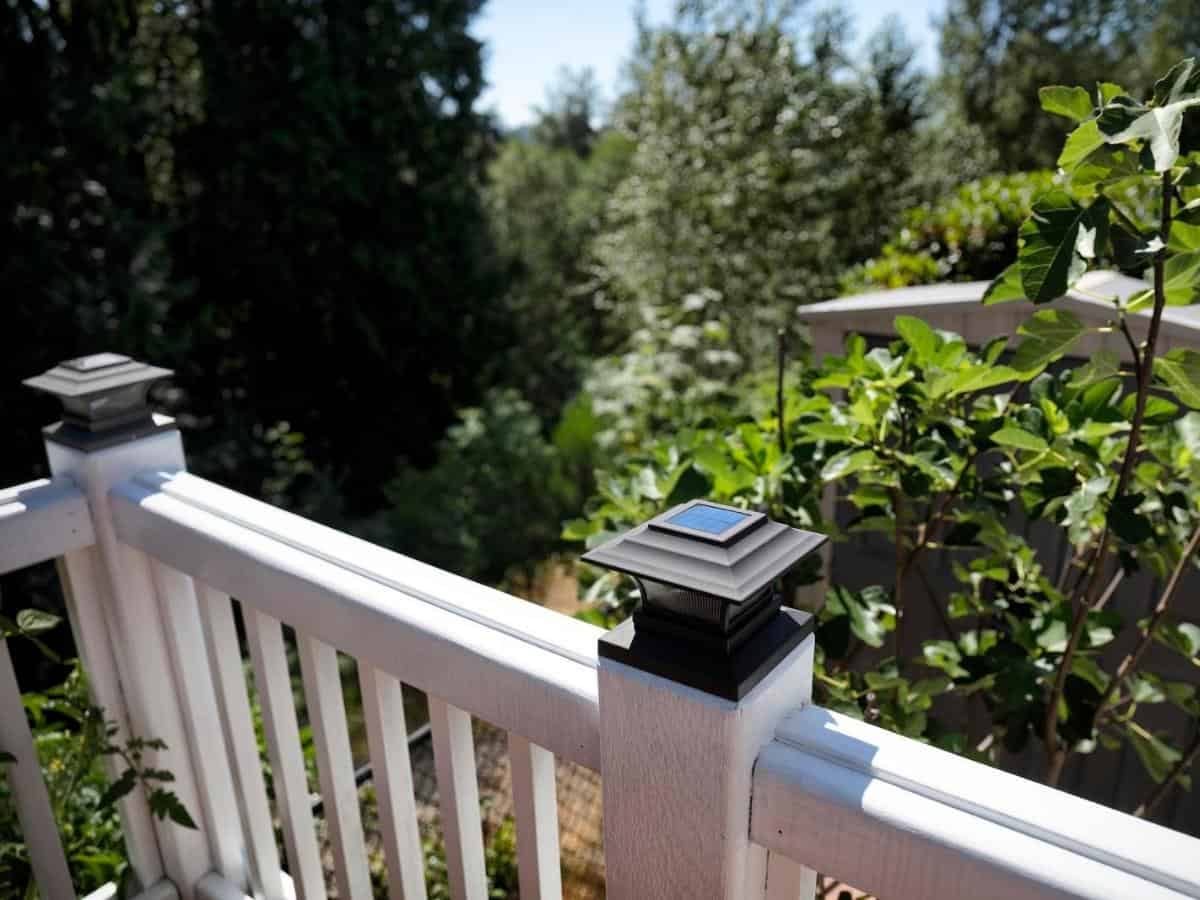
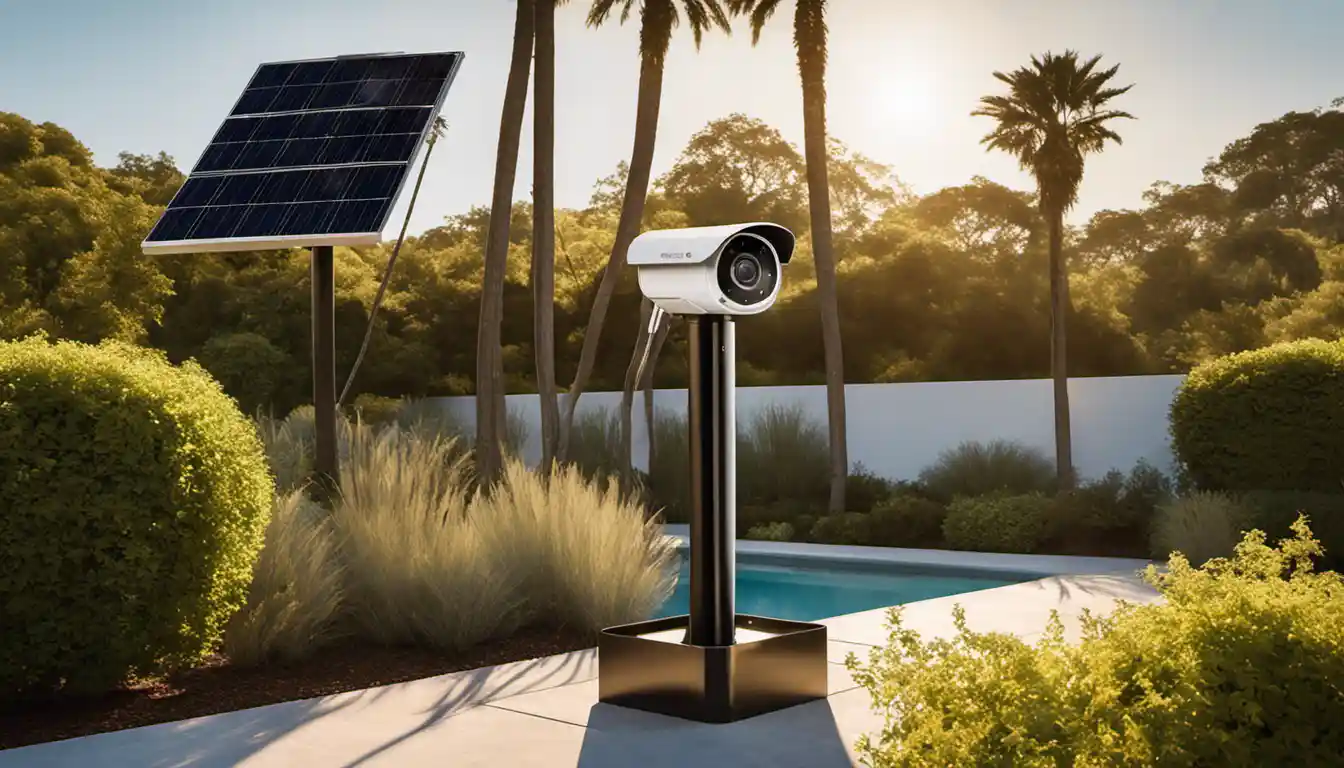
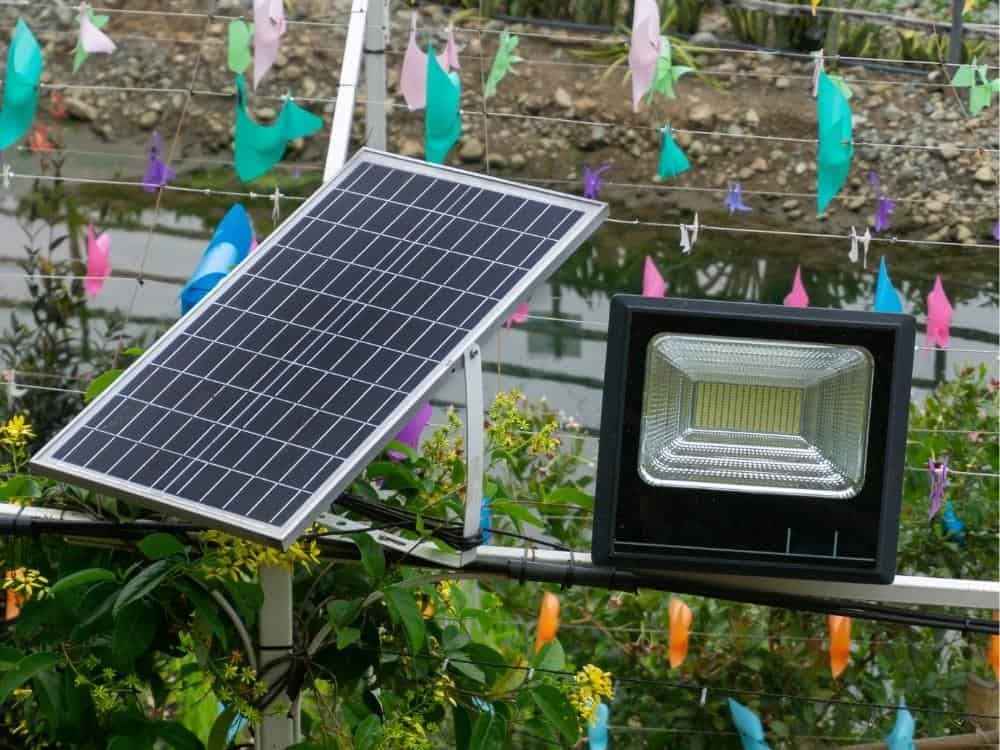
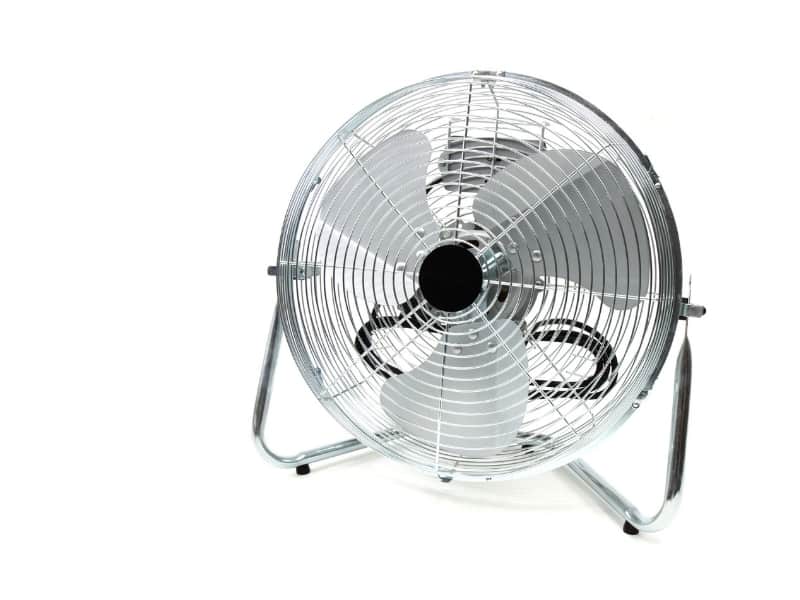
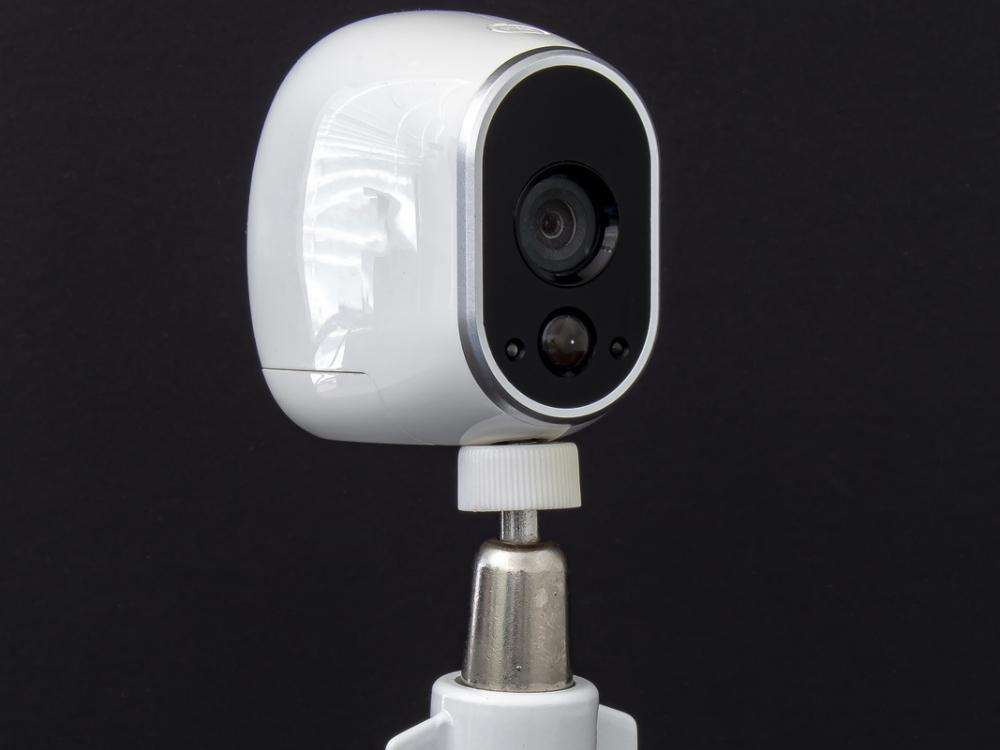
Compare solar lights, garden lighting, security lights, lanterns, radios, fans, pumps, and other outdoor products by:
Outdoor products may perform differently in shade, winter, cloudy weather, or locations with limited sunlight.
Solvoltaics aims to provide useful product context rather than repeat manufacturer marketing. Depending on the article, our evaluation may include:
We distinguish between first-hand testing, technical research, manufacturer claims, retailer information, and general user feedback. A product is not described as hands-on tested unless it has genuinely been evaluated in that way.
Before purchasing, consider:
The most expensive product is not always the most suitable, and the largest discount does not necessarily represent the best value.
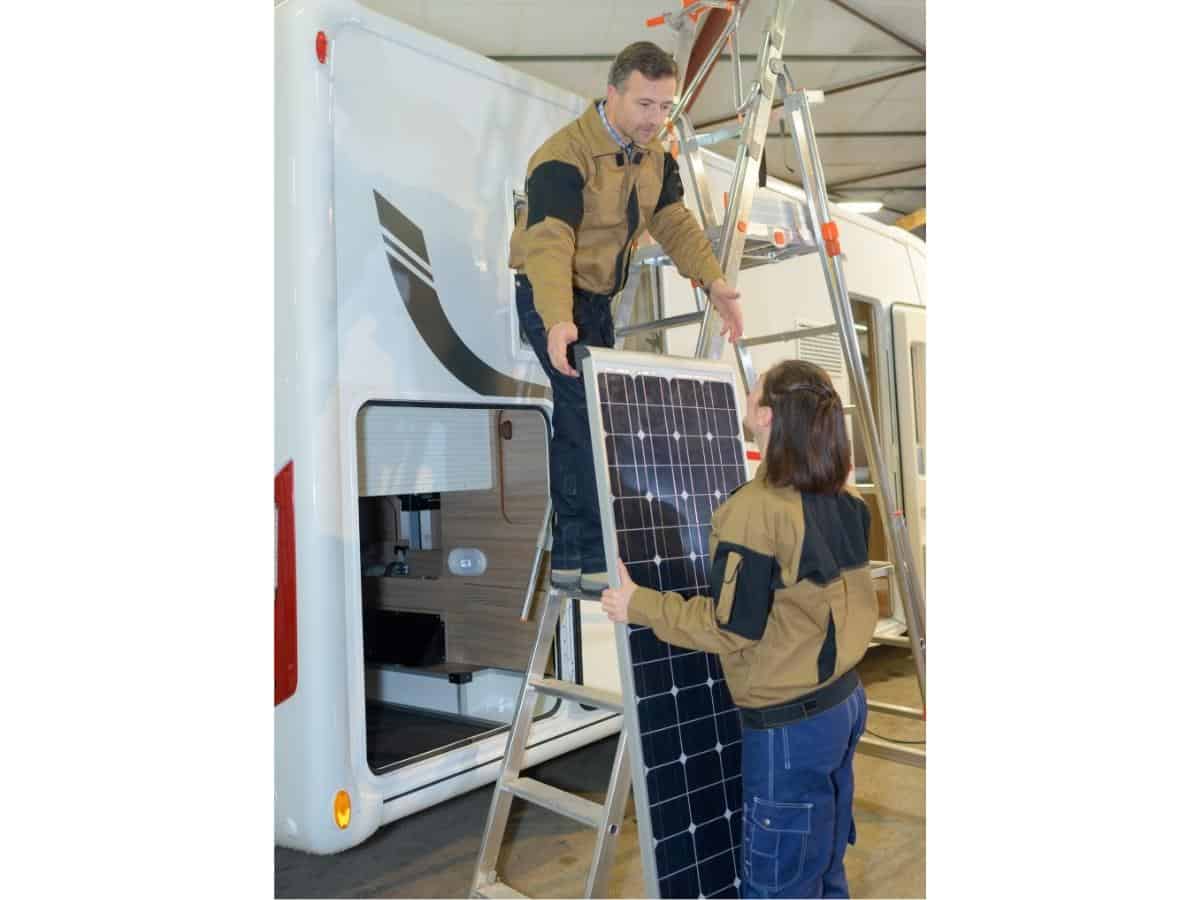
Browse the Products section to compare solar technology by practical performance, compatibility, installation, safety, warranty, and long-term value.
The best product is the one that fits your energy needs, environment, technical requirements, and budget—not simply the one with the highest specification or lowest advertised price.