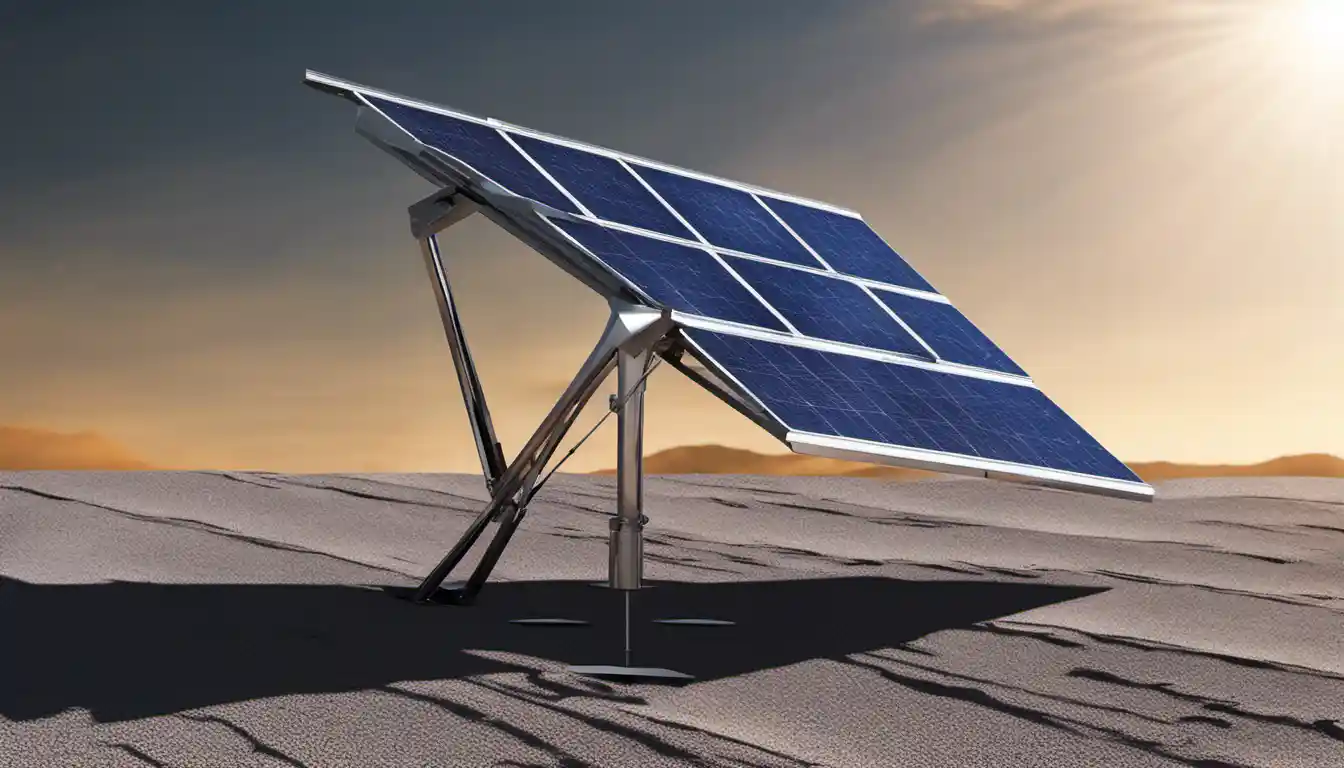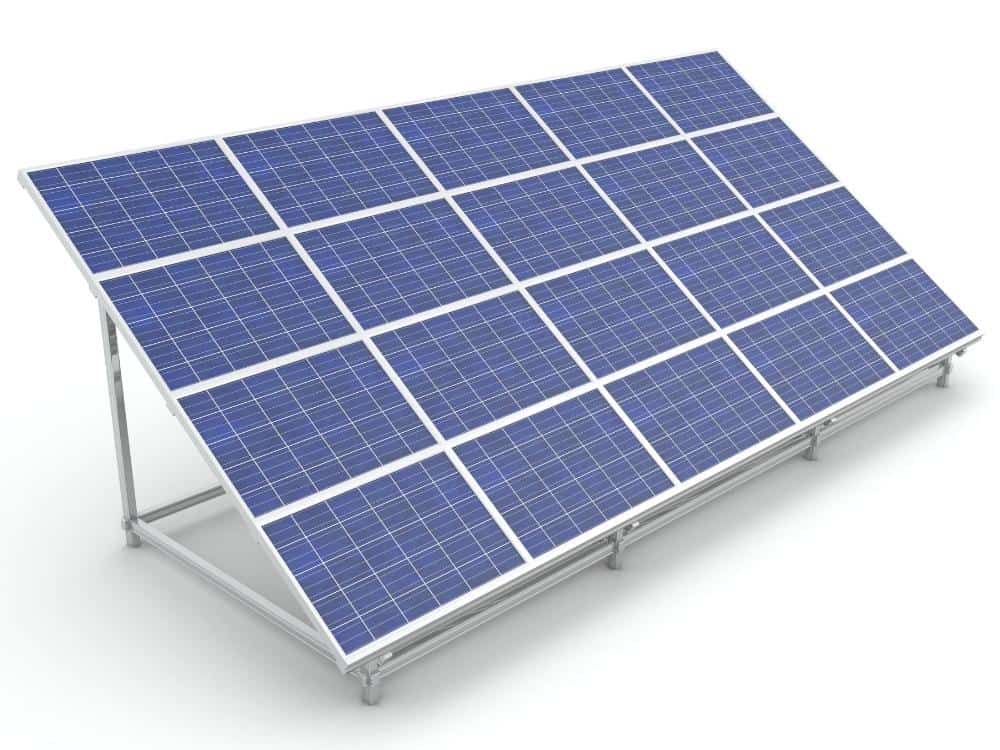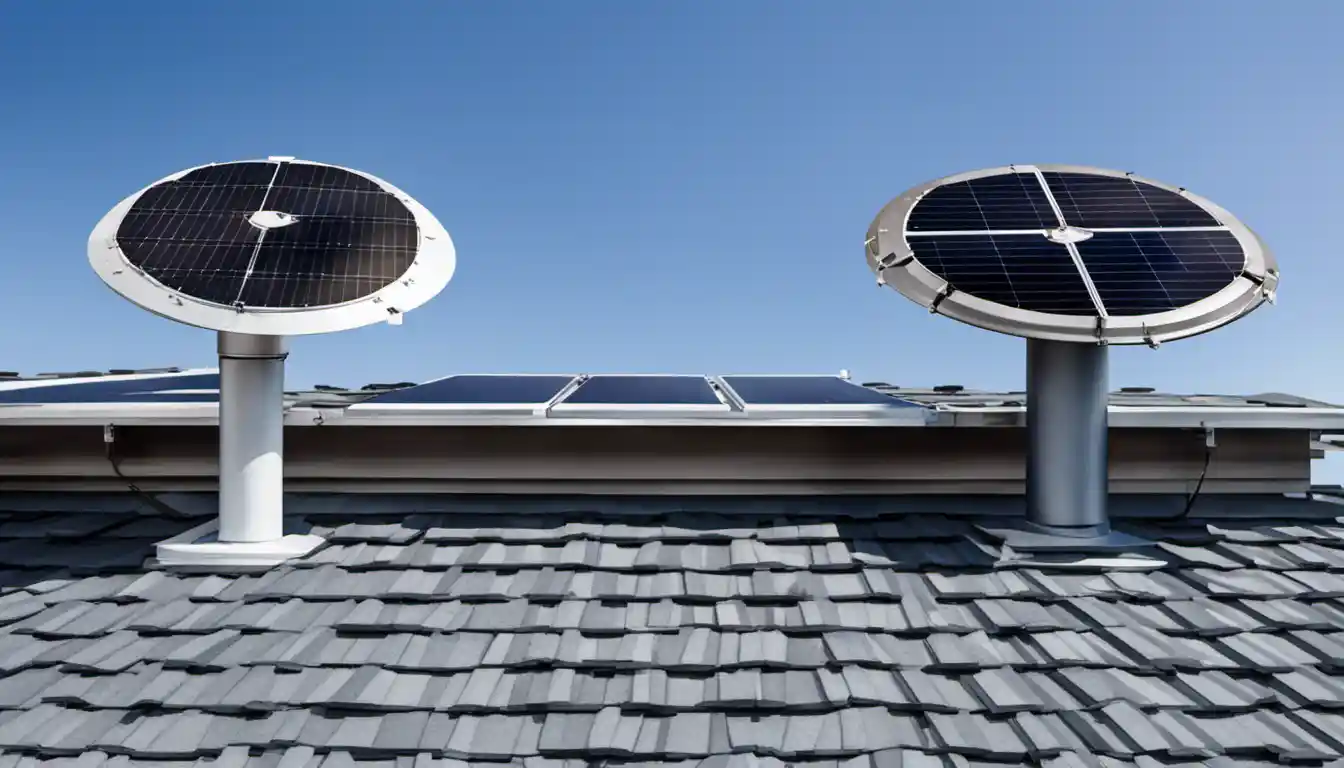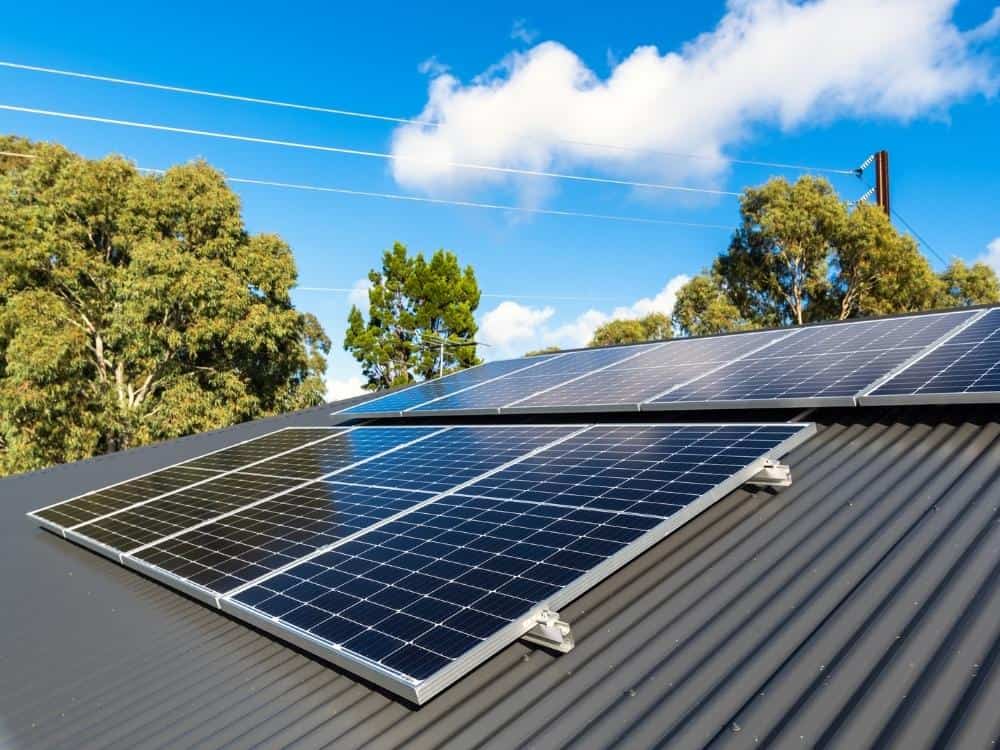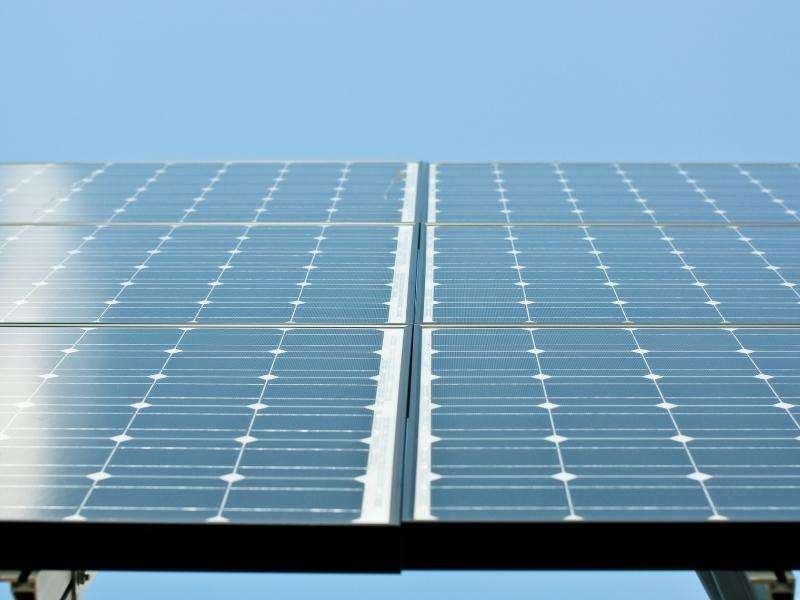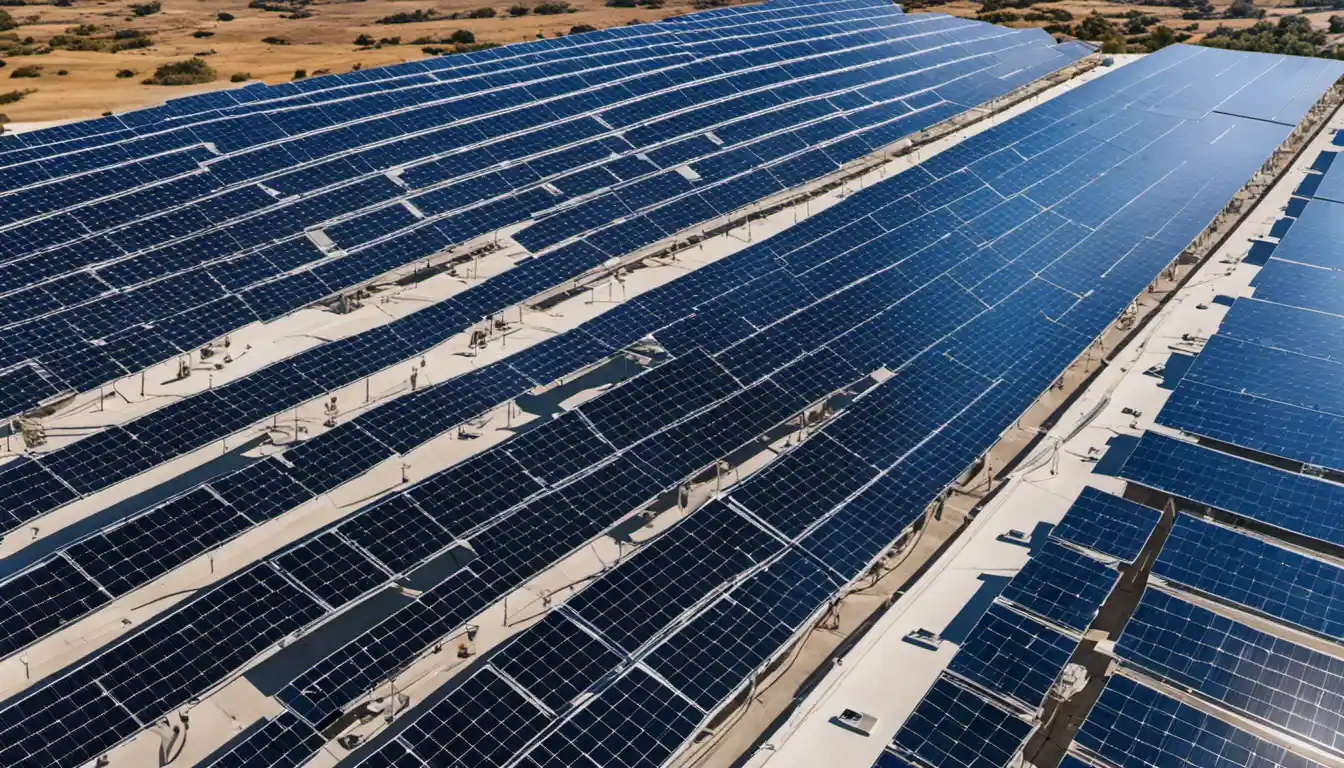
A solar system performs best when its components are chosen, connected, and configured as one system. The Solvoltaics Setup section provides practical guidance for planning and setting up solar panels, batteries, inverters, charge controllers, portable power stations, and off-grid equipment.
Use these guides to understand the setup process, check compatibility, prepare equipment, and identify when professional installation is the safer option.
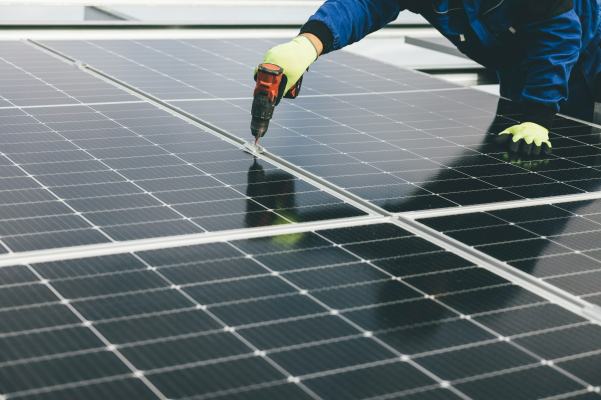
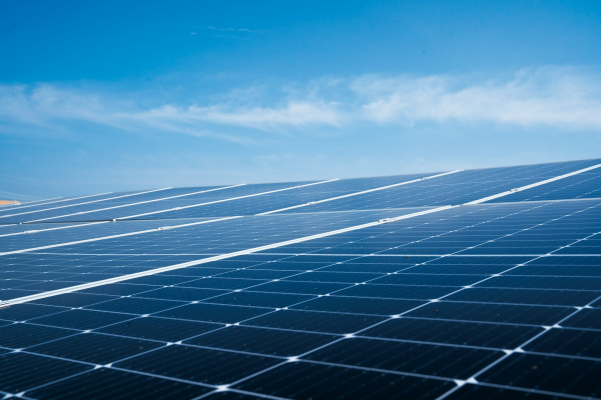
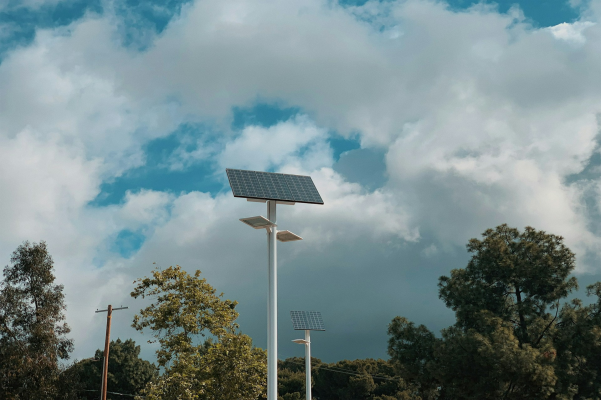
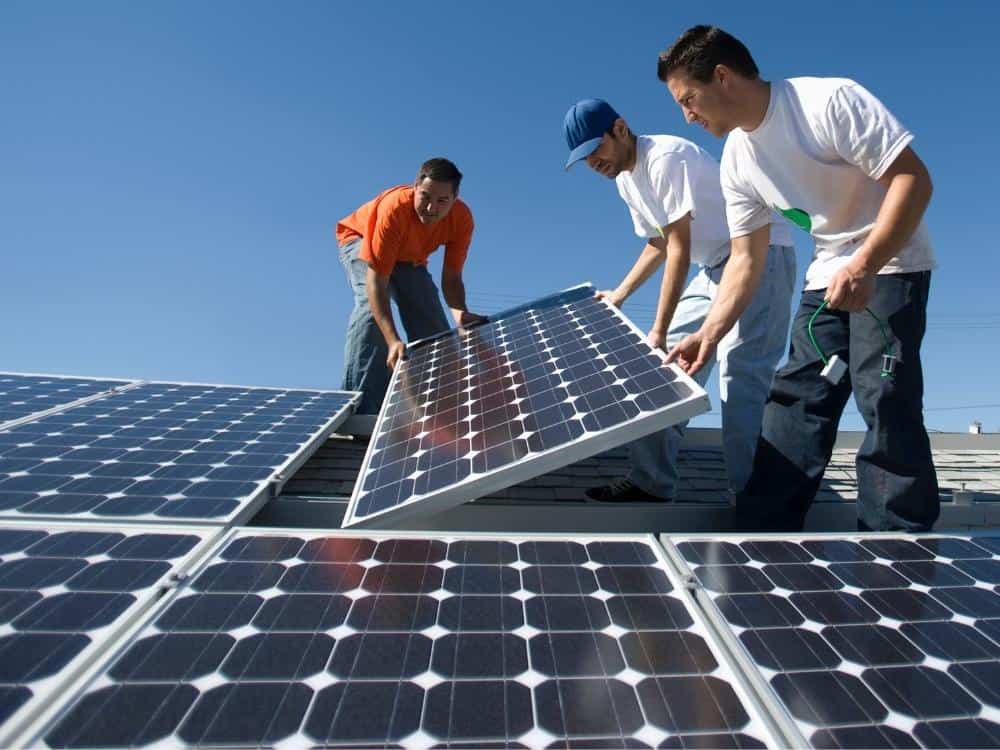
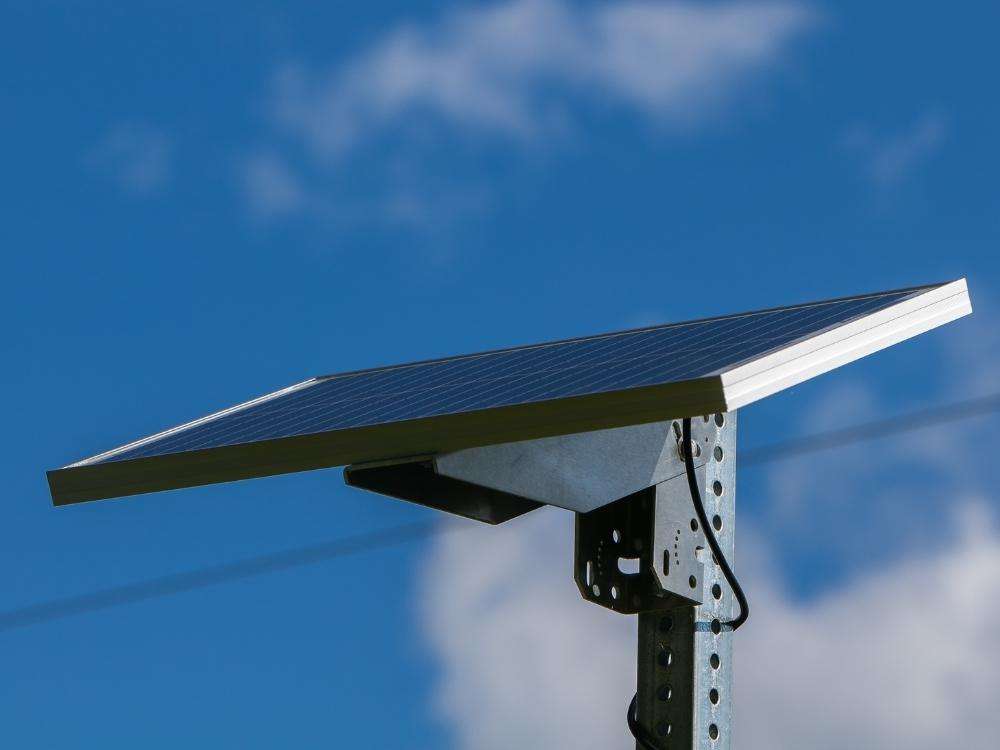
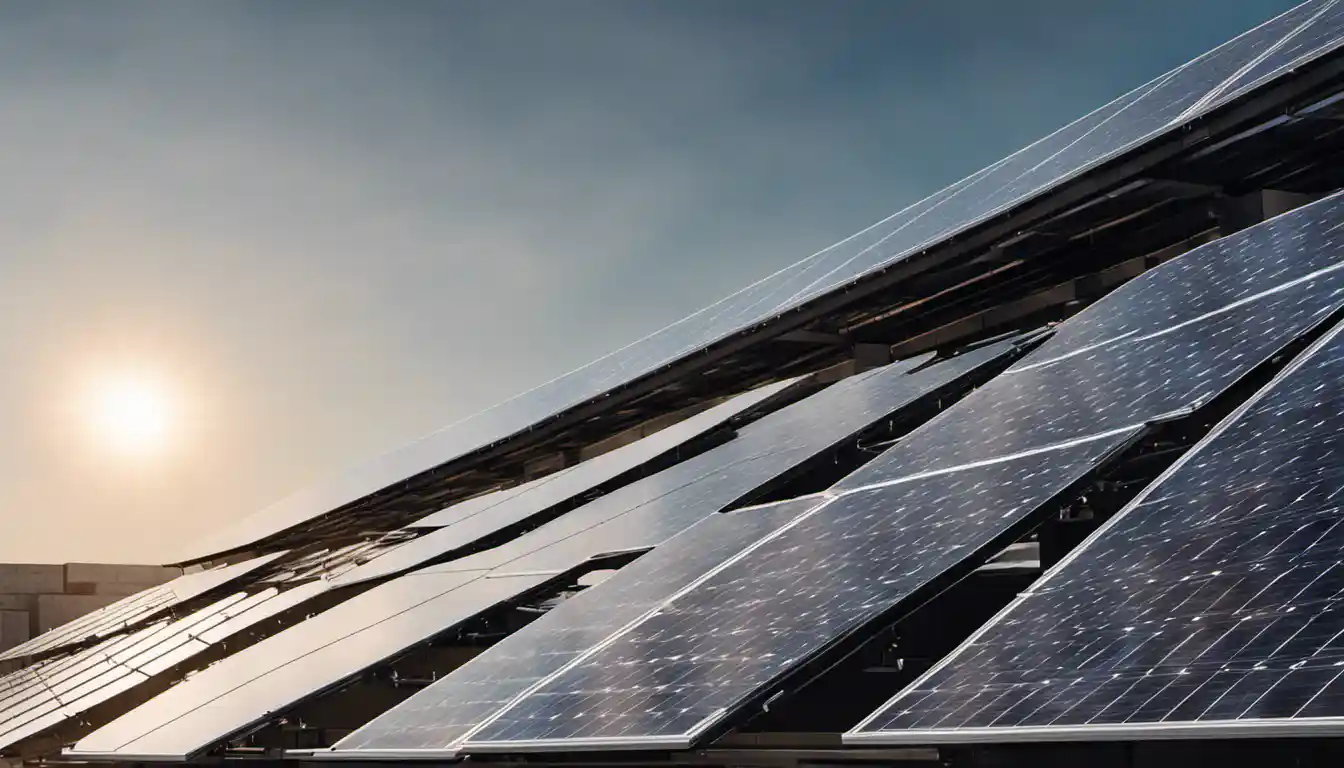
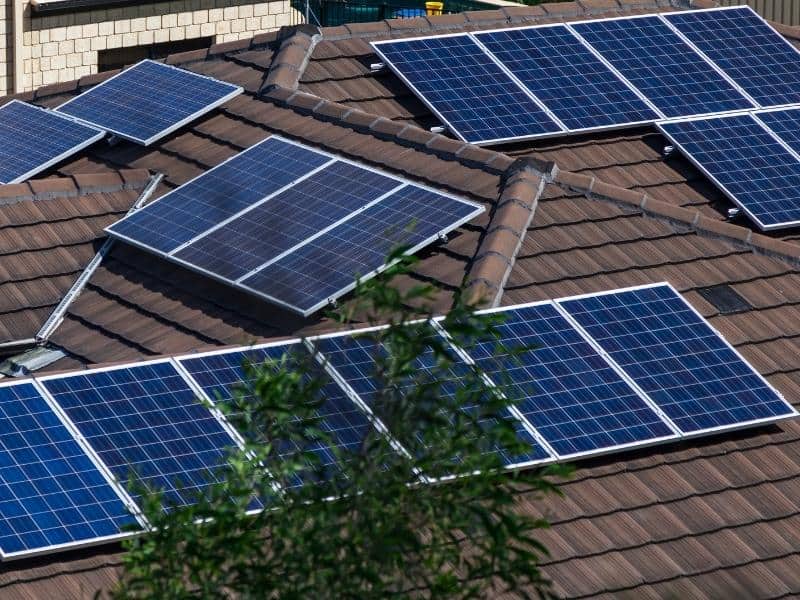
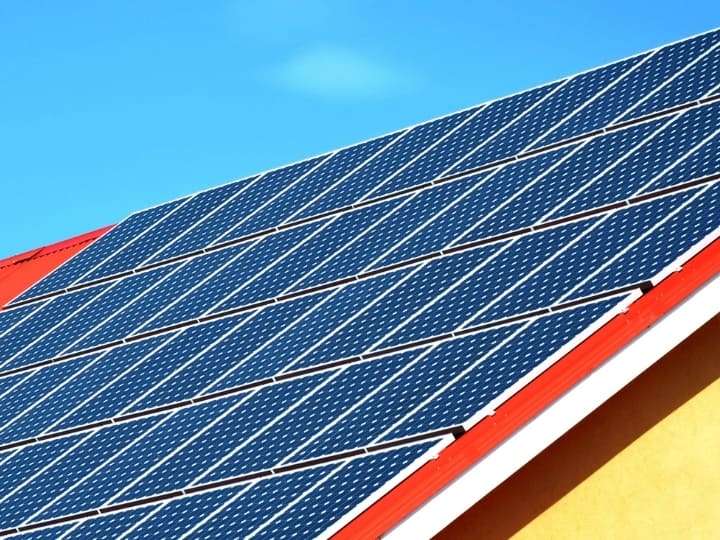
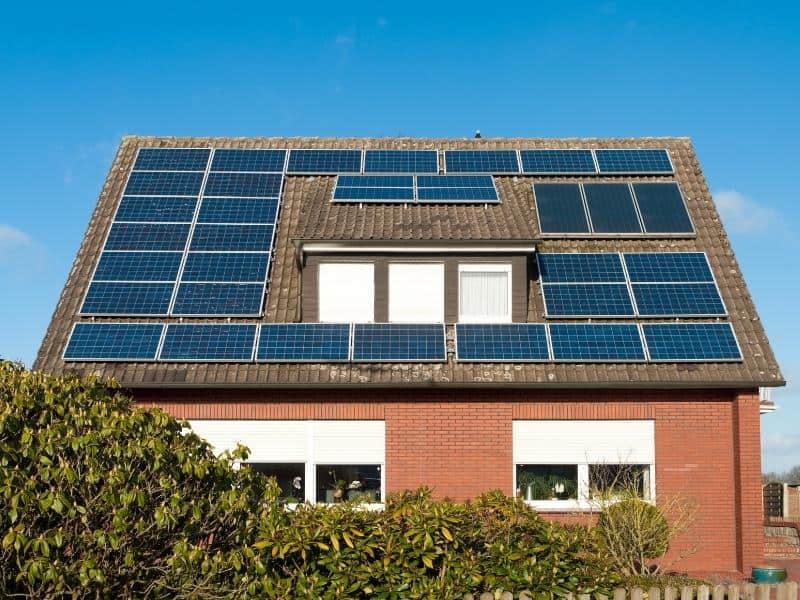
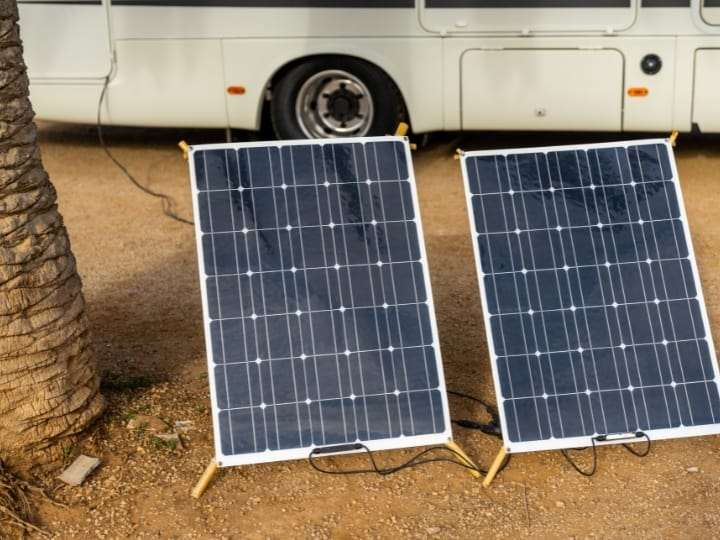
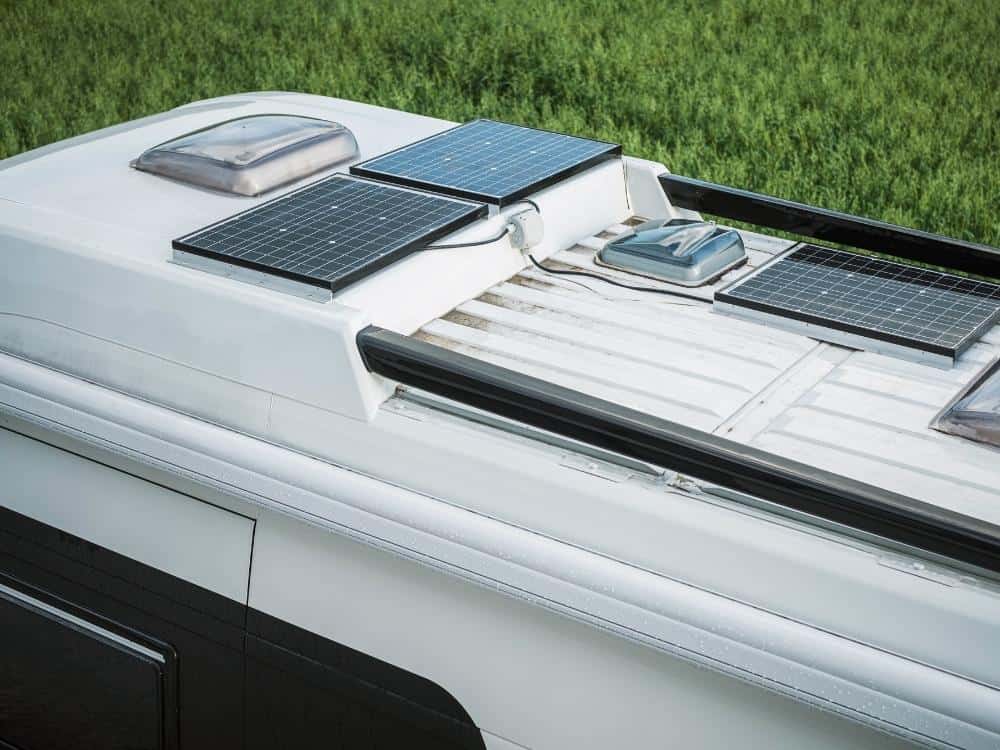
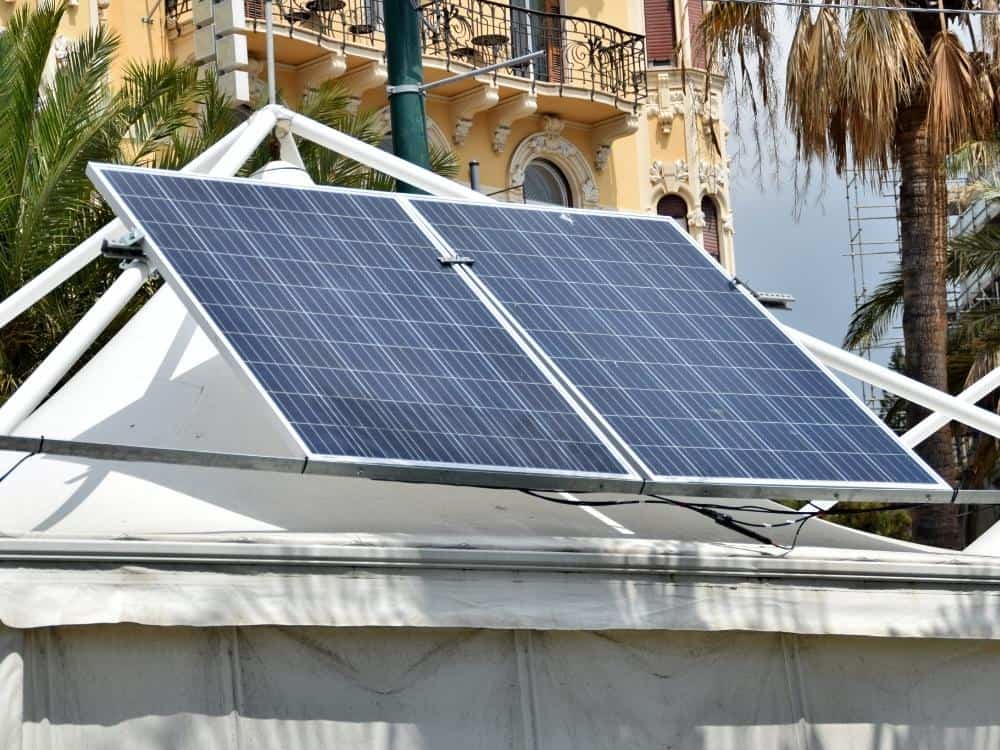
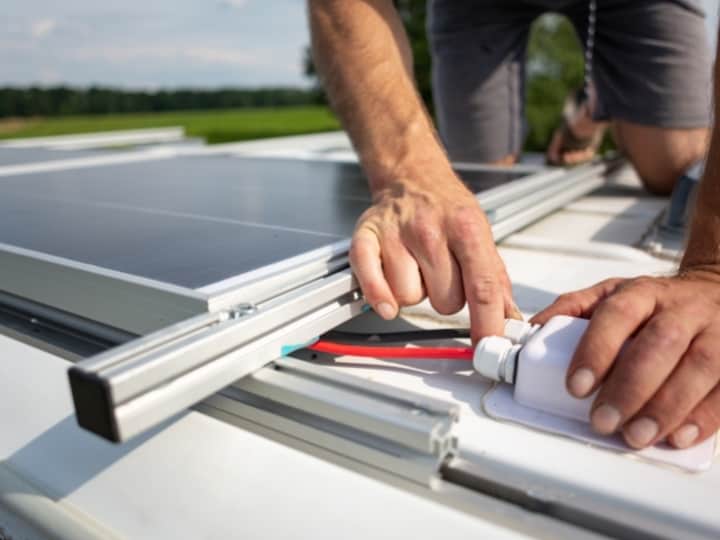
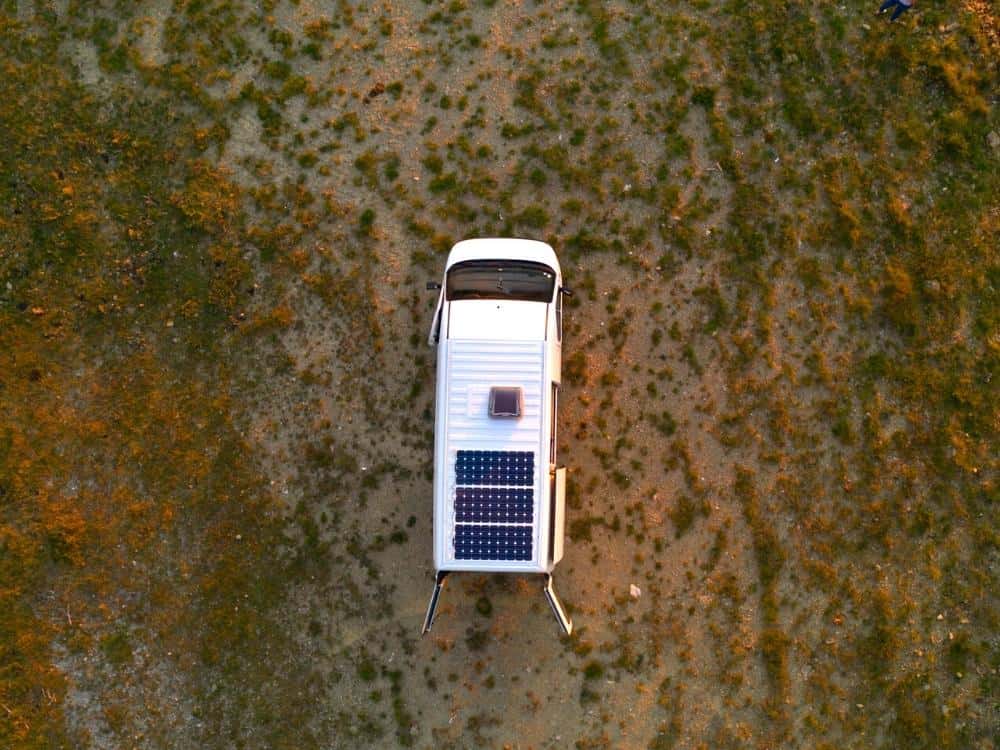
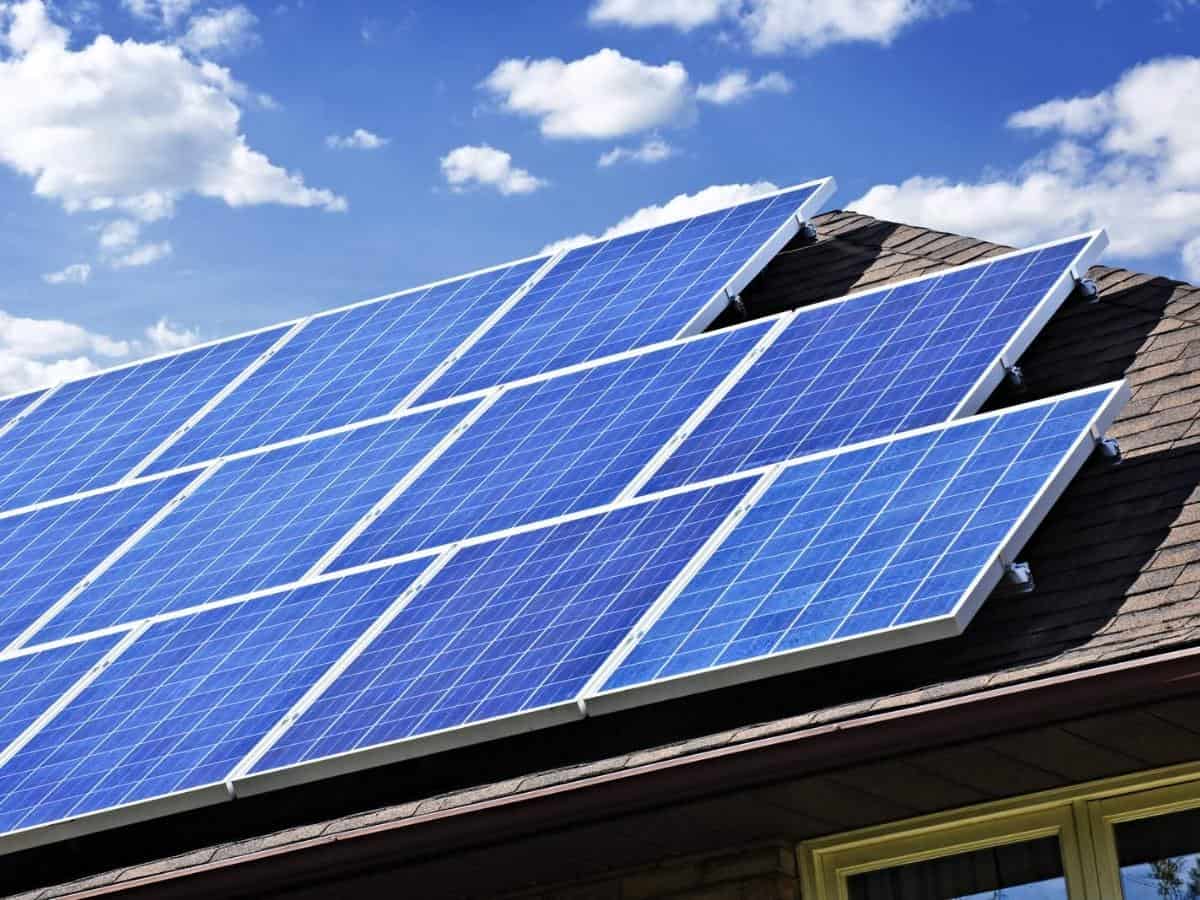
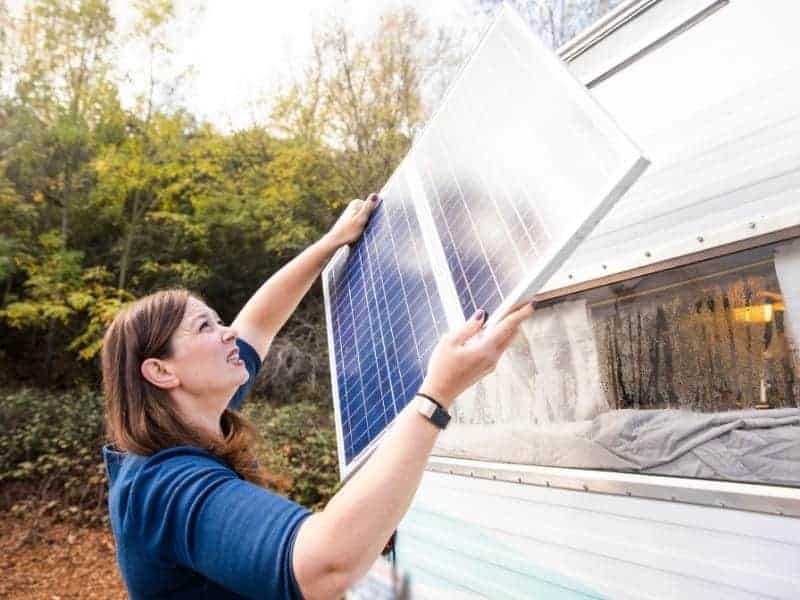
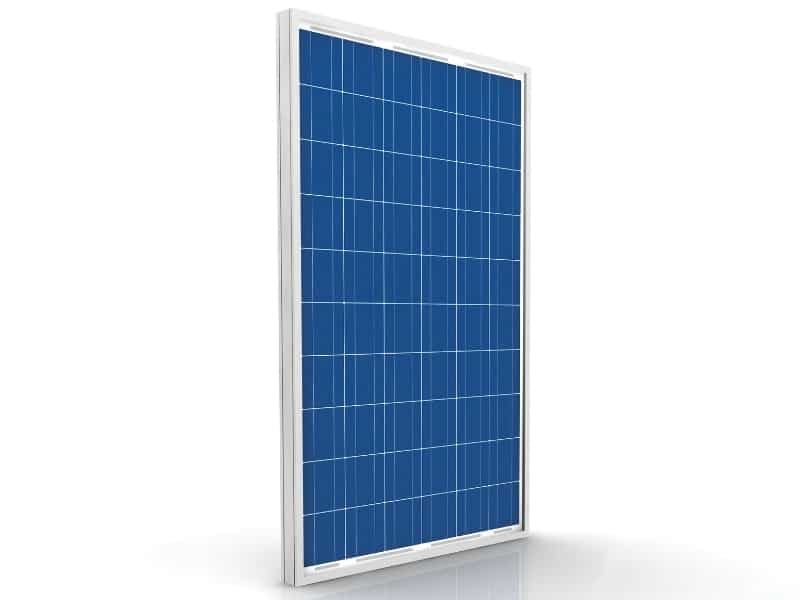
Learn how to prepare solar panels for residential, portable, RV, caravan, boat, camping, and off-grid use.
Setup topics may include:
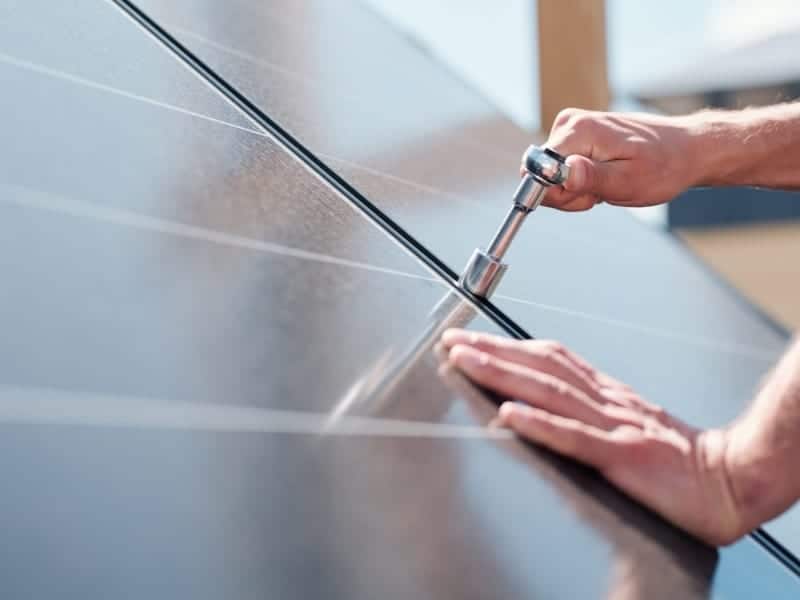
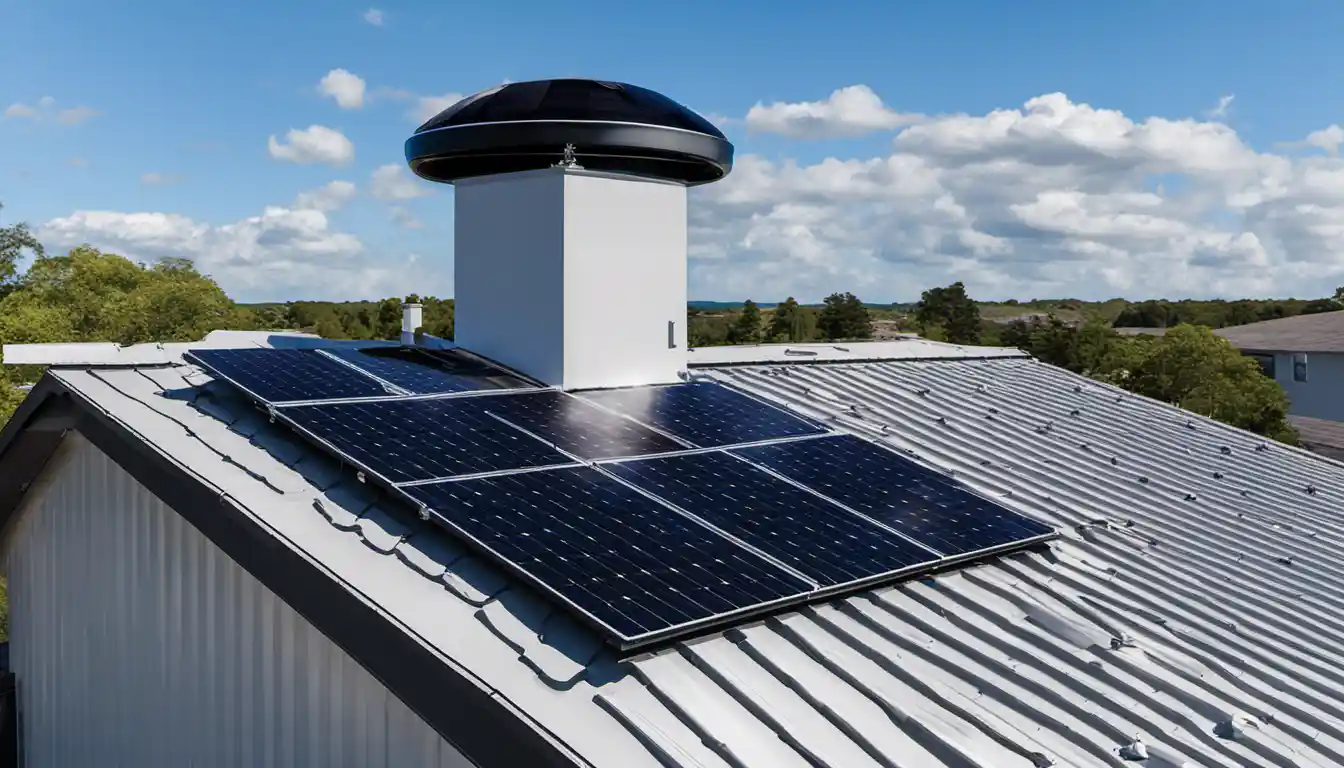
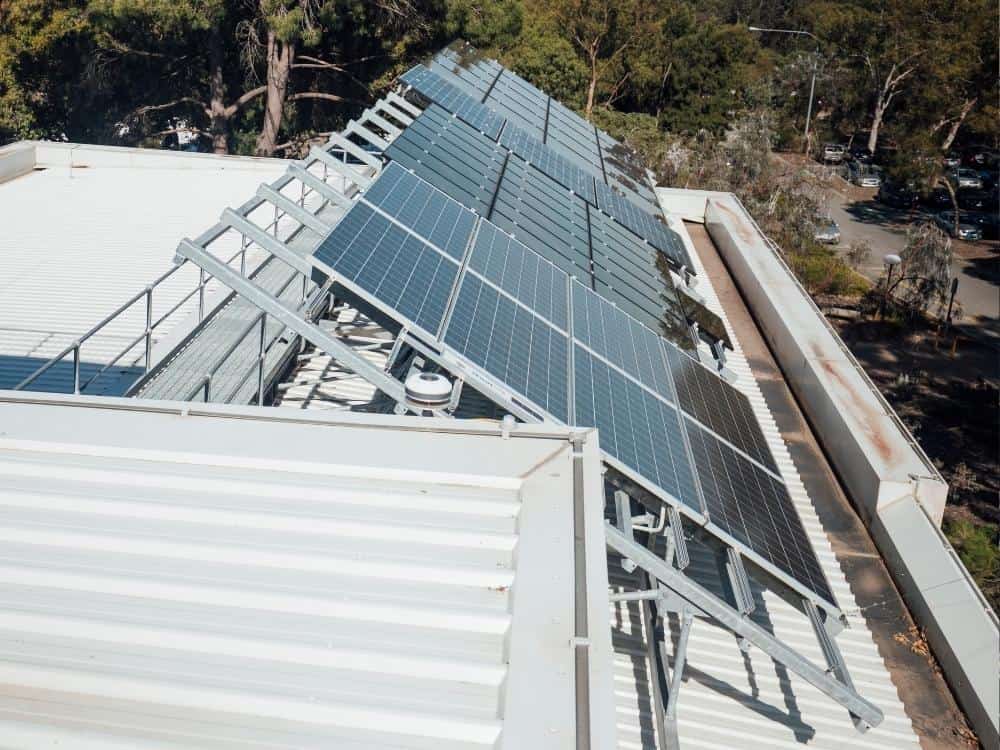
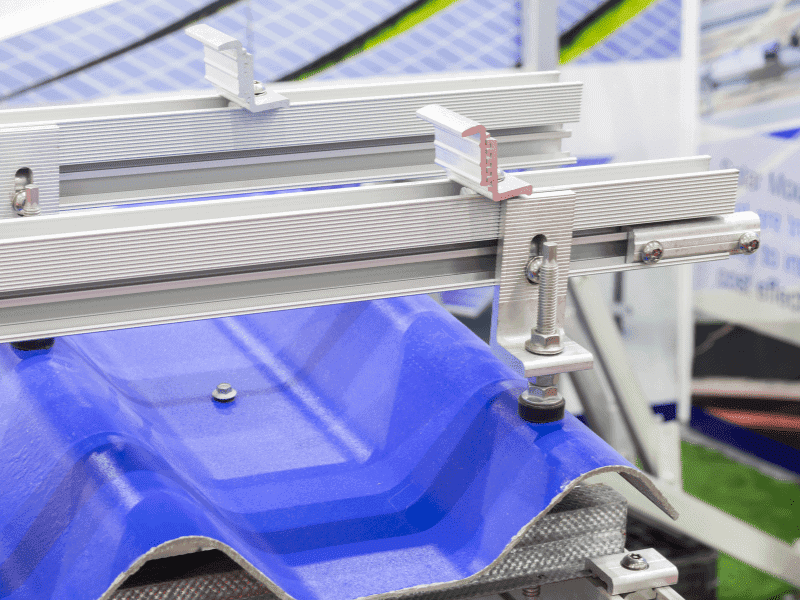
The correct setup depends on panel specifications, the mounting surface, local weather, structural requirements, and applicable regulations.
A battery should be selected and configured according to the panels, inverter, charge controller, loads, and intended operating conditions.
Guides may cover:
Do not connect batteries based on voltage alone. Confirm compatibility, charging requirements, current limits, communications, and protection equipment.
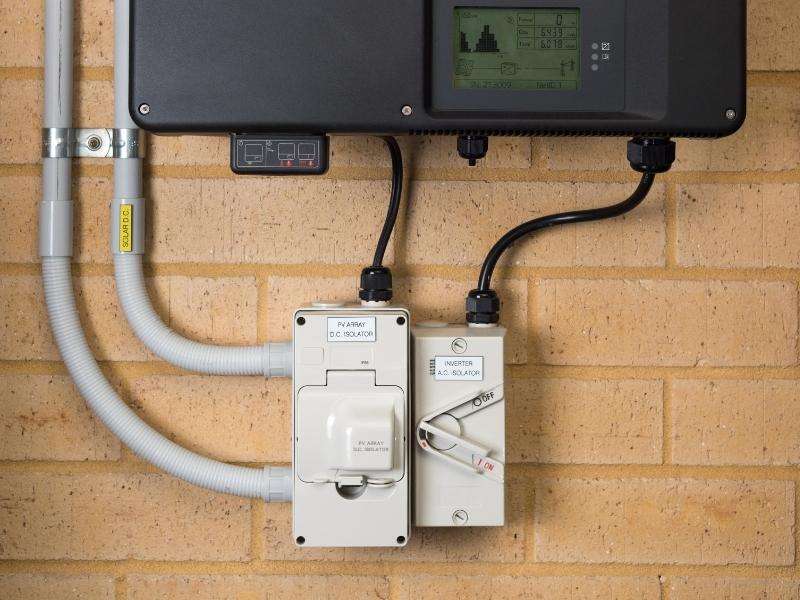
Inverters connect solar generation, batteries, appliances, and—in some systems—the utility grid.
Setup guidance may explain:
Follow the exact manual for your inverter model. Grid connections, high-voltage equipment, and fixed home wiring should be handled by a qualified professional.
Charge controllers regulate charging between solar panels and batteries. Correct configuration helps protect the battery and prevent the controller from operating outside its limits.
Review:
Check maximum solar input voltage and current before connecting an array.
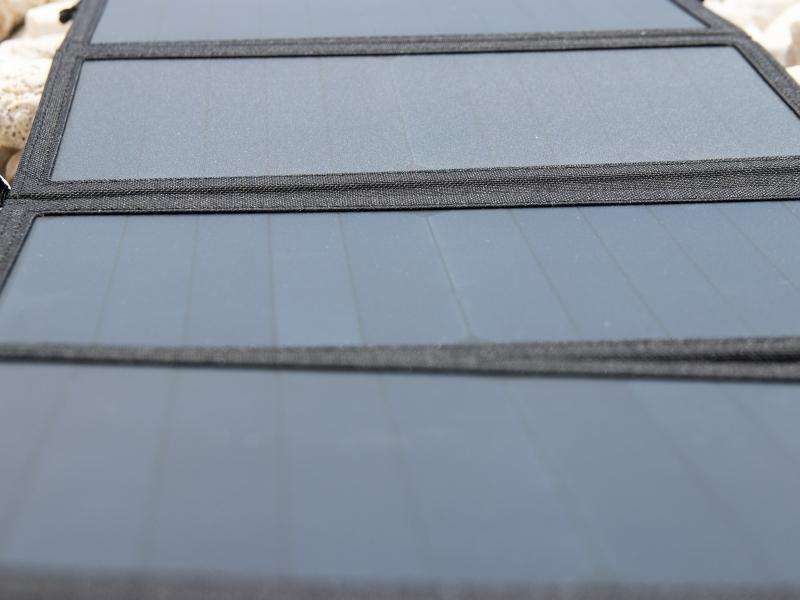
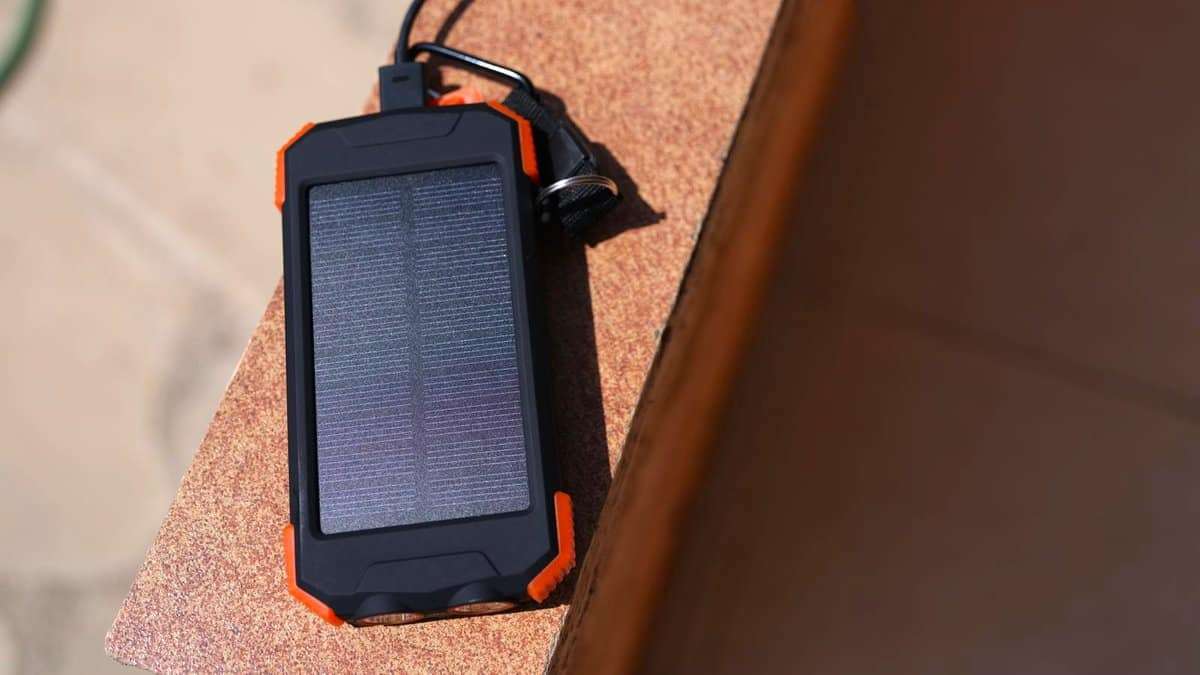
Portable systems can combine foldable panels, power stations, batteries, chargers, cables, and adapters.
Before using one, confirm:
Do not assume two products are compatible because they use the same connector.
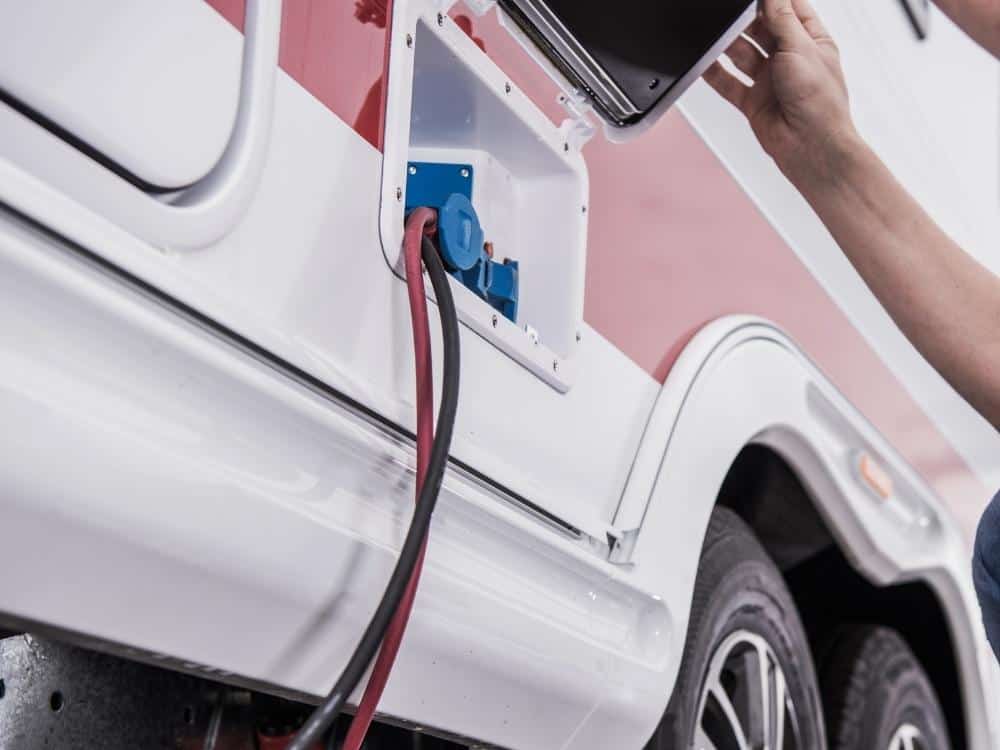
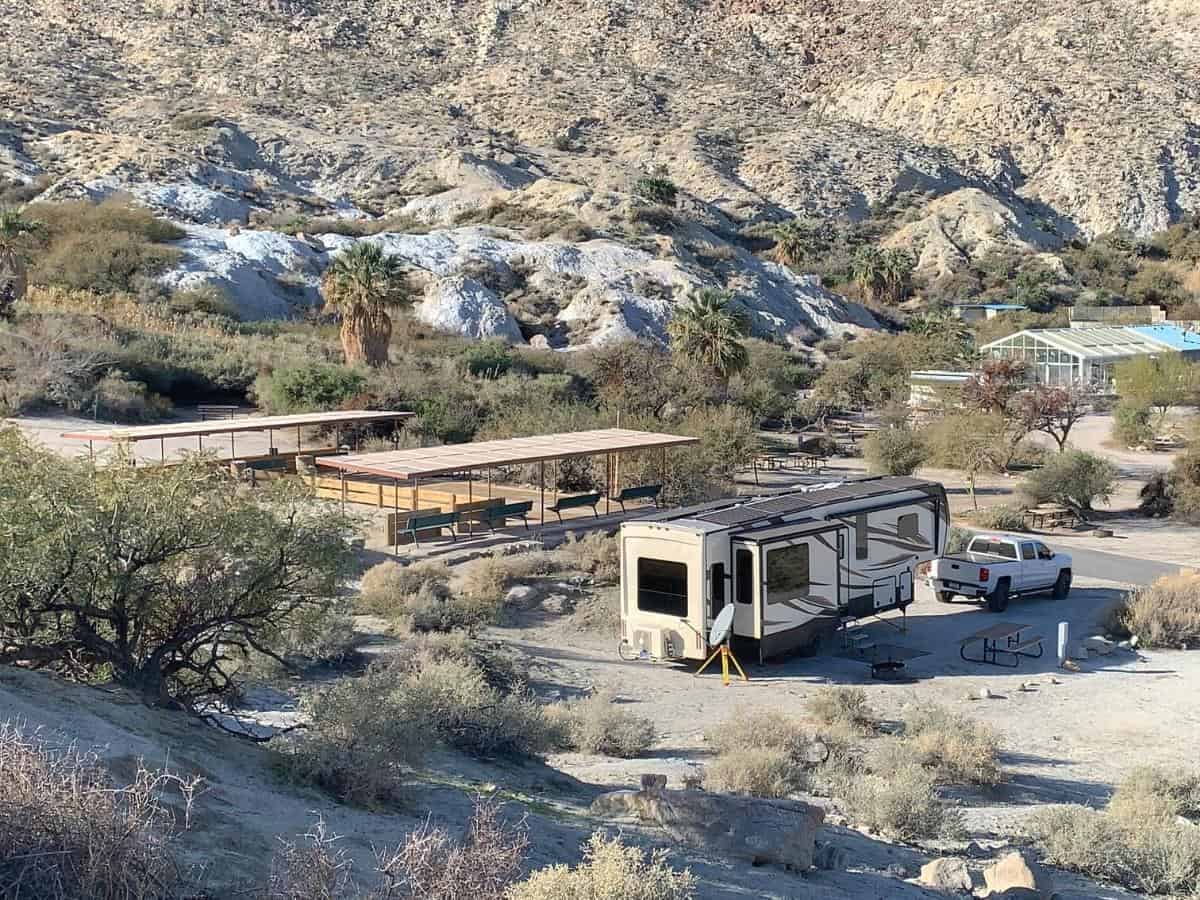
Mobile systems require additional attention to vibration, salt air, limited space, weight, battery ventilation, cable routing, and movement.
Setup planning may include:
Follow vehicle, marine, and electrical requirements relevant to your location.
Before starting a solar setup, collect the following information:
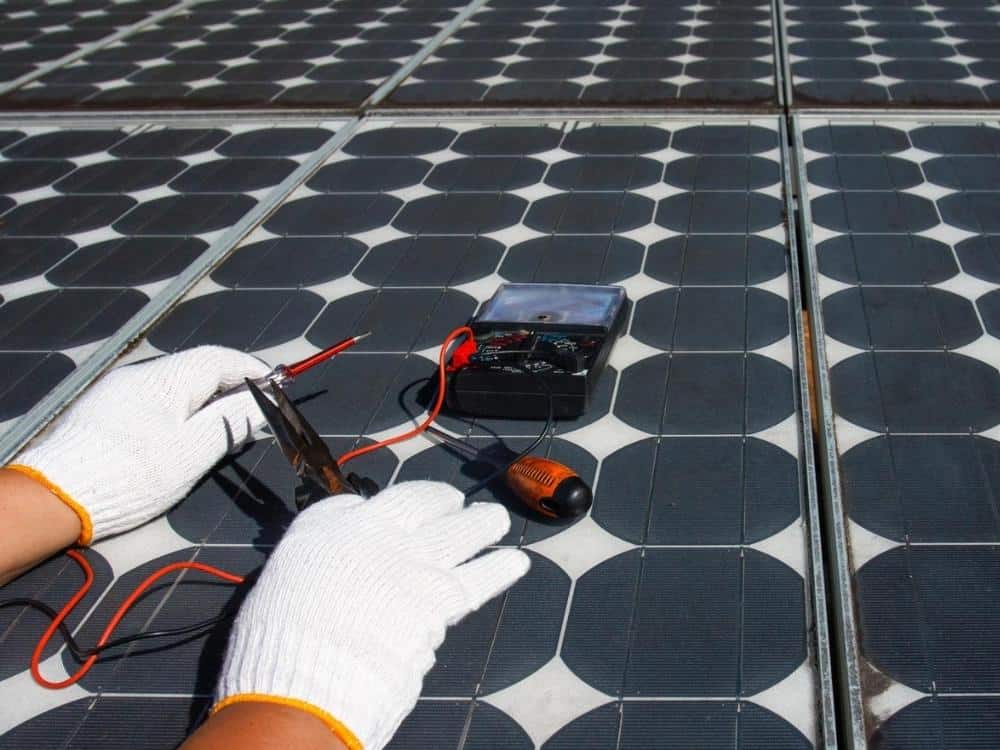
Create a basic system diagram showing the panels, controller, battery, inverter, loads, disconnects, fuses, and grounding points before making connections.
The correct sequence varies by equipment, but a responsible setup usually involves:
Do not use this general sequence as a substitute for the instructions supplied with your equipment.
Some portable, low-voltage systems may be suitable for a knowledgeable DIY user. Fixed, roof-mounted, high-voltage, battery, and grid-connected systems often require professional design, installation, inspection, or certification.
The correct order depends on the equipment. Many charge controllers specify connecting the battery before the solar input, but always follow the instructions for the exact model.
Sometimes, but compatibility is not guaranteed. Check voltage, current, connectors, charging profiles, communications, firmware, battery approval, and manufacturer requirements.
Compare the inverter’s continuous and surge ratings with the running and startup requirements of the appliances you want to operate. Include the possibility that several loads may run at the same time.
Only a system with suitable backup equipment can safely provide power during an outage. Standard grid-tied systems may shut down unless they are designed to isolate from the grid.
Some Solvoltaics content may include affiliate links, review products, promotional offers, or other commercial relationships. If you click an affiliate link and complete a qualifying purchase, we may receive a commission at no additional cost to you.
Commercial relationships do not automatically determine our editorial advice. We aim to distinguish general educational guidance, manufacturer instructions, technical research, and hands-on experience. See our Affiliate Disclosure for more information.
A reliable solar setup begins with the relationship between panels, batteries, controllers, inverters, loads, protection, and the installation environment.
Use the Setup section to understand the process, check compatibility, prepare questions for an installer, and decide which parts of a project are suitable for you to handle safely.